From January 1, 2027, NEV vehicle and vessel tax exemptions will be cancelled, marking the final countdown for 15 years of tax incentives. Purchase tax has already shifted from full exemption to half-rate collection, and the policy phase-out is pushing the industry into a market-driven new stage.
Policy Adjustment: 15-Year Tax Incentives Enter Final Countdown
From January 1, 2027, a far-reaching NEV tax policy will formally adjust: the preferential vehicle and vessel tax policies for energy-efficient vehicles (halved rate) and for pure electric commercial vehicles, plug-in hybrid vehicles (including range-extended), and fuel cell commercial vehicles (full exemption) will be fully cancelled. This means the NEV vehicle and vessel tax preferential policy, implemented for 15 years, has officially entered its final countdown.
This policy adjustment is not an isolated event. Earlier in 2026, China's NEV purchase tax policy already underwent a major shift: from "full exemption" to "half-rate collection", with an exemption cap set. The叠加 effect of this vehicle and vessel tax adjustment signals that the NEV policy support system is undergoing an orderly phase-out.
Policy Background: The Market Logic from Support to Maturity
Reviewing the evolution of NEV policies reveals a clear transition trajectory from "incubation period" to "maturity period":
- 2009-2012: Ten Cities, Thousand Vehicles demonstration program; fiscal subsidies began
- 2013-2017: Subsidy intensity increased year by year, with clear consumer stimulus
- 2018-2022: Gradual subsidy phase-out; market began self-driving
- 2023-2026: Purchase tax reduction continued, but intensity kept shrinking
- From 2027: Vehicle and vessel tax benefits cancelled; "equal rights for oil and electricity" formally established
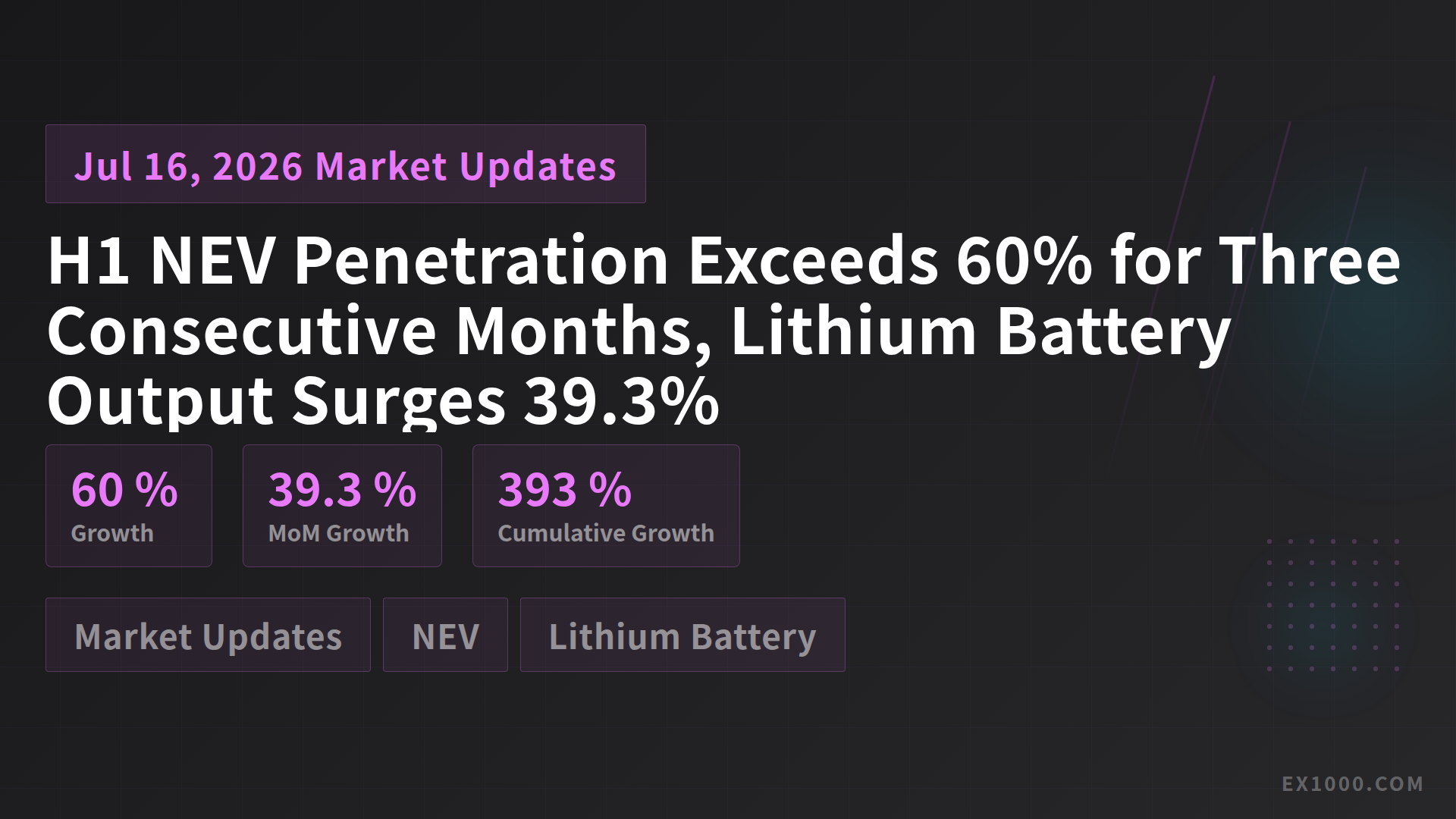
Industry consensus holds that this policy phase-out is an inevitable stage for China's NEV industry to mature. When NEV penetration has already exceeded 60%, continuing large-scale tax incentives no longer aligns with market fairness principles or fiscal sustainability.
Impact Analysis: Differentiated Impact on Various Stakeholders
The policy phase-out will affect different industry participants to varying degrees:
| Stakeholder | Impact Level | Specific Impact | Response Strategy |
|---|---|---|---|
| Consumers | Medium | Slight increase in vehicle purchase cost, but limited impact | Watch for the pre-end-of-2026 purchase window |
| Automakers | High | Price competitiveness under pressure; need to optimize cost structure | Accelerate technology cost reduction; enhance product premium |
| Dealers | Medium | Increased promotional pressure; inventory management becomes harder | Flexibly adjust inventory rhythms |
| Charging Operators | Low | Indirect impact; market growth may slightly slow | Improve operational efficiency and service quality |
| Used Car Market | Low | Residual values may be slightly affected | Improve assessment systems |
For consumers, several key points deserve attention:
- Vehicle purchases before the end of 2026 can still enjoy current tax incentives
- PHEV and range-extended models are affected alongside pure EVs
- Fuel cell commercial vehicles are also within the cancellation scope
- Future policy focus will shift from "purchase subsidies" to "usage convenience"
Industry Outlook: New Competition Landscape in the Market-Driven Era
As the industry transitions from policy-driven to market-driven, the NEV sector will enter a brand-new competitive phase.
Competition focus will fundamentally shift:
- From "competing for subsidies" to "competing on products"
- From "price sensitivity" to "value recognition"
- From "policy dividends" to "technology moats"
- From "scale expansion" to "quality and efficiency"
For overseas markets and importers, China's NEV policy phase-out actually means stronger product competitiveness. When Chinese companies can no longer rely on policy protection and must compete on genuine merits in international markets, their technological accumulation, cost control, and supply chain advantages will become even more prominent. Overseas buyers sourcing Chinese NEVs through platforms like EX1000.COM will be accessing products that have been fully tested in the market and possess true international competitiveness.