Top.Mail.Ru
logo

automotive chips

US Presses Mexico to Tighten USMCA Origin Rules; AI Hardware Could Spill Over Into Auto Supply Chain

US Presses Mexico to Tighten USMCA Origin Rules; AI Hardware Could Spill Over Into Auto Supply Chain

The United States is pressuring Mexico in negotiations to revise the US-Mexico-Canada Agreement, planning new rules of origin for AI hardware such as chips and servers to limit the share of components from outside North America and prevent Chinese companies from using Mexico as a route to evade tariffs. The rules would reference the automotive sector's 75% North American component threshold for tariff exemption and could spill over into automotive intelligence segments such as automotive chips. In the first half of this year, Mexico exported $83 billion of AI data center servers, 94% to the United States, up more than 170% year on year. Mexico has agreed to raise tariffs on China but opposes mandatory US-made components. Negotiations are expected to begin as early as next week in Washington.

2595 hours ago
Global Automotive Chip Market to Reach $96.9B by 2029; Cockpit-Driving Integration Enters Mass Production Validation

Global Automotive Chip Market to Reach $96.9B by 2029; Cockpit-Driving Integration Enters Mass Production Validation

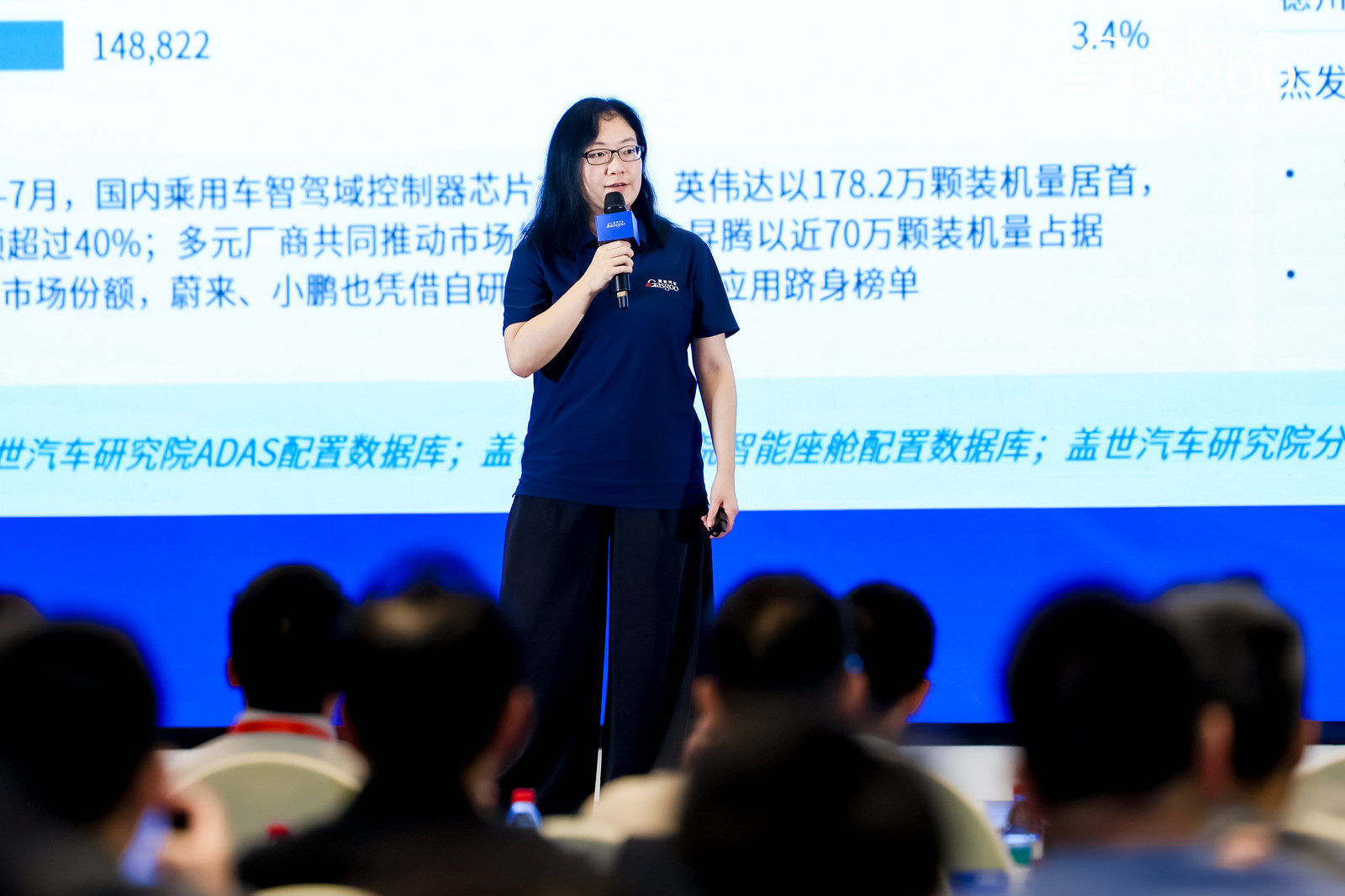
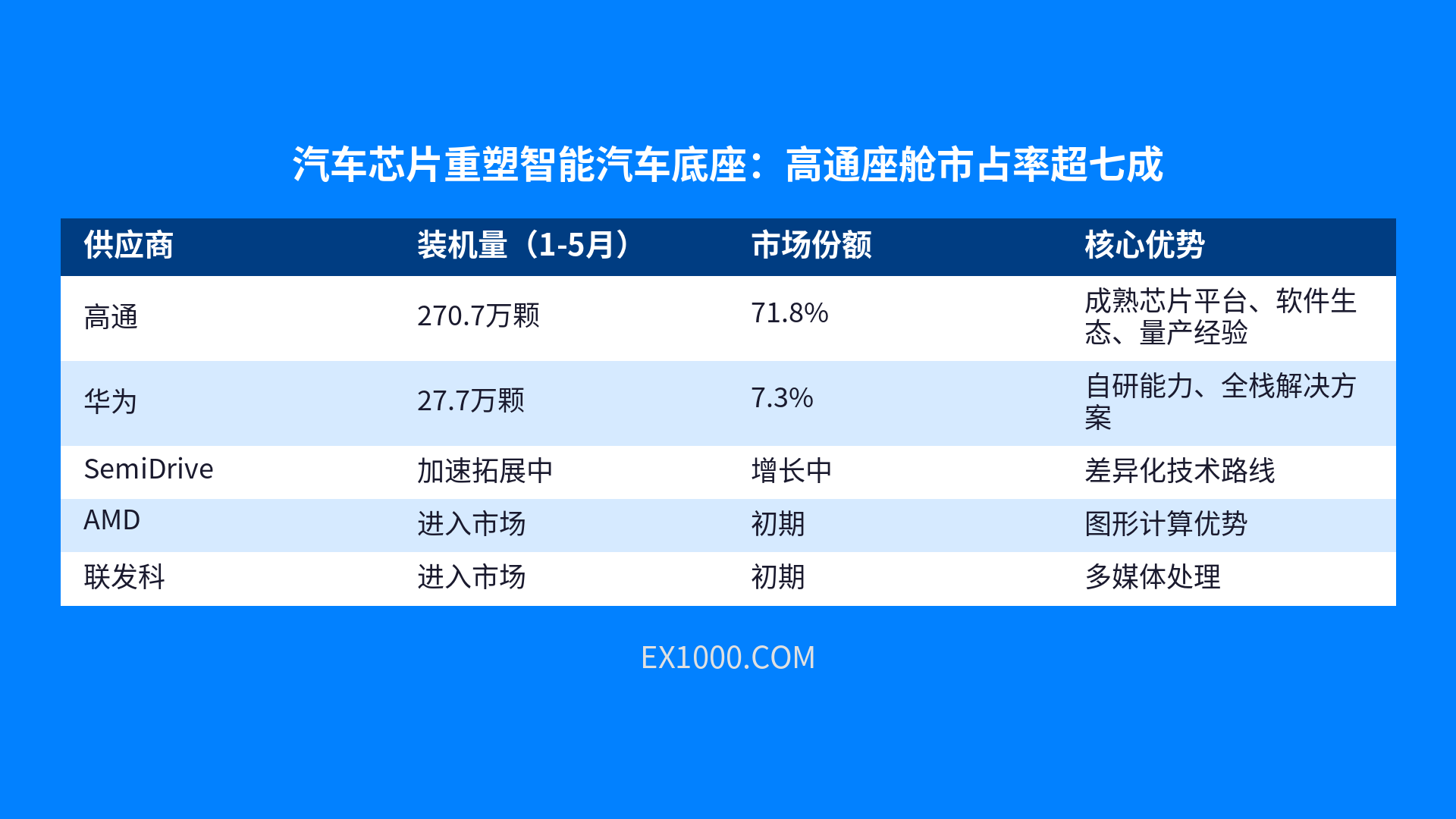
On September 16, the 2026 Sixth Intelligent Vehicle Chip Industry Ecosystem Conference was held in Shanghai. Gu Xiaoying of Gasgoo predicted that the global automotive chip market will grow from USD 67.7 billion in 2024 to USD 96.9 billion in 2029, a compound annual growth rate of 7.4%. E'erte of Black Sesame Technologies introduced the Wudang C1296 cross-domain fusion chip, which has been mass-produced on the Dongfeng Tianyuan intelligent driving platform, focusing on cost reduction through cockpit-driving integration for volume models. The conference showed that cockpit-driving integration has entered a mass-production validation phase, chip growth is shifting from unit count to value per chip, and overseas supply chains need to balance cost and ecosystem collaboration.

1477 hours ago
Over 10 Automakers Raise Prices, Marking Official End to NEV Price War

Over 10 Automakers Raise Prices, Marking Official End to NEV Price War

Since June 2026, BYD, Changan Qiyuan, NIO, Avatr, Zeekr, Tesla, Xiaomi, and HarmonyOS Intelligent Mobility brands have successively raised vehicle prices or ADAS package costs. After three years of intense price competition, the new energy vehicle price war has officially ended as industry logic shifts from low-price volume grabs to value competition. Rising raw material and chip costs are the core catalyst, with lithium carbonate prices rebounding to 175,000 yuan per ton and automotive-grade chips surging over 100%. Q1 2026 automotive manufacturing profit was merely 3.2%, forcing automakers to pivot from price wars to technology upgrades. For importers and consumers in Central Asia and Russia, price increases mean higher procurement costs but also improved quality and configuration, while Chinese NEVs maintain significant global price advantages.

44094 days ago