Top.Mail.Ru
logo

Renault

Thailand Plans About 30% Excise Tax on Imported EVs, Sets Three-Tier Rates

Thailand Plans About 30% Excise Tax on Imported EVs, Sets Three-Tier Rates

Thailand's finance minister said Thailand is finalizing an excise tax of about 30% on fully imported electric vehicles, compared with the current rate of about 10%. The new plan sets three excise tax tiers: fully imported vehicles at the highest rate, locally produced vehicles at the lowest, and locally assembled vehicles in the middle. Constrained by free trade agreements, Thailand cannot directly raise tariffs, so it is turning to excise taxes to encourage local investment and supply chain localization. Currently, nine electric vehicle manufacturers produce in Thailand, and some Chinese and European automakers plan to invest in Thailand to enjoy lower tax rates. The final rates are expected to be decided this month.

46424 days ago
Renault-Geely Expand Brazil Investment as Maserati Weighs Huawei, JAC Tie-Up

Renault-Geely Expand Brazil Investment as Maserati Weighs Huawei, JAC Tie-Up

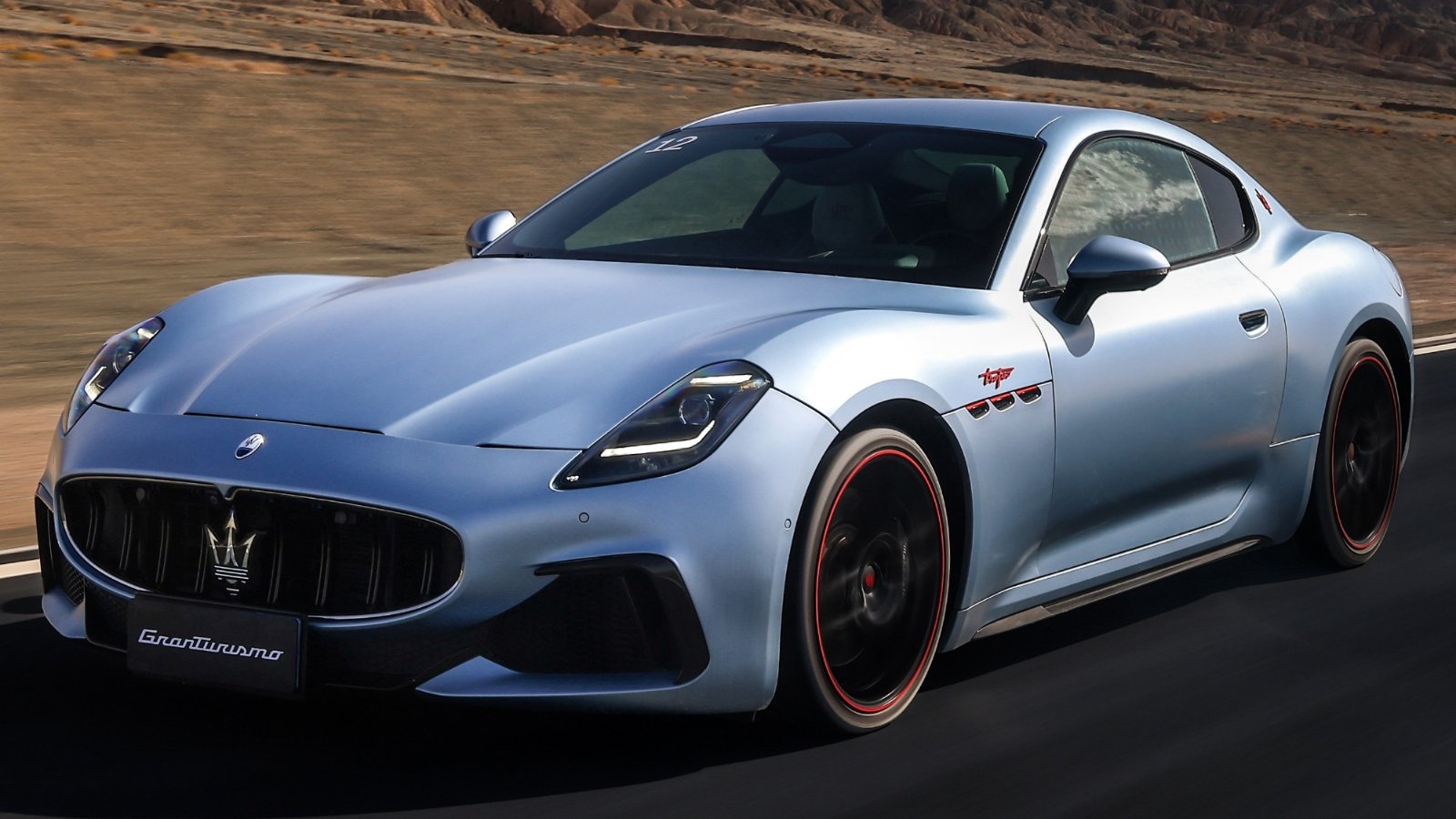
In September 2025, Renault and Geely announced an additional EUR 319 million investment in Brazil through a joint venture, with their total investment in Brazil from 2025 to 2027 reaching EUR 899 million, giving Geely access to Renault's existing plants and dealer network. In the same period, reports said Maserati planned to cooperate with Huawei and JAC to develop two electric vehicles, adopting an SKD model with body-in-white from Hefei and assembly in Italy; the brand's global shipments in 2025 were less than 8,000 units, with an adjusted operating loss of EUR 198 million. Both paths point to a combination of technology export and localized production capacity.

32625 days ago
Automakers Pilot Humanoid Robots: Validation Matters More Than Replacing Labor

Automakers Pilot Humanoid Robots: Validation Matters More Than Replacing Labor

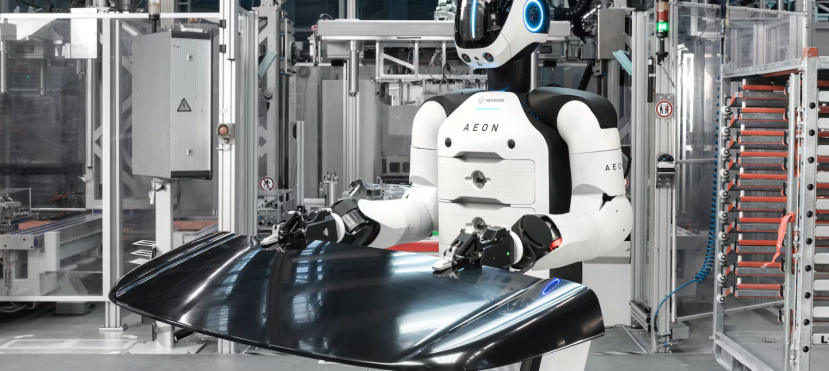
Morgan Stanley estimates that the humanoid robot market could reach $5 trillion by 2050, and automakers including BMW, Renault, Mercedes-Benz, and Tesla have already been testing related equipment in factories. Tesla is shifting the space of its former Model S and Model X production lines at the Fremont factory to Optimus, Renault plans to deploy 350 units in 2027, and Mercedes-Benz aims to use them on assembly lines by 2030. Currently, humanoid robots cost about $20,000 to $200,000, but constrained by battery life of only a few hours, insufficient hand dexterity, reliability yet to be proven, and the level of factory digitalization, trials at this stage are mainly for technical validation, and there is still a long way to go before large-scale replacement of human labor.

57629 days ago