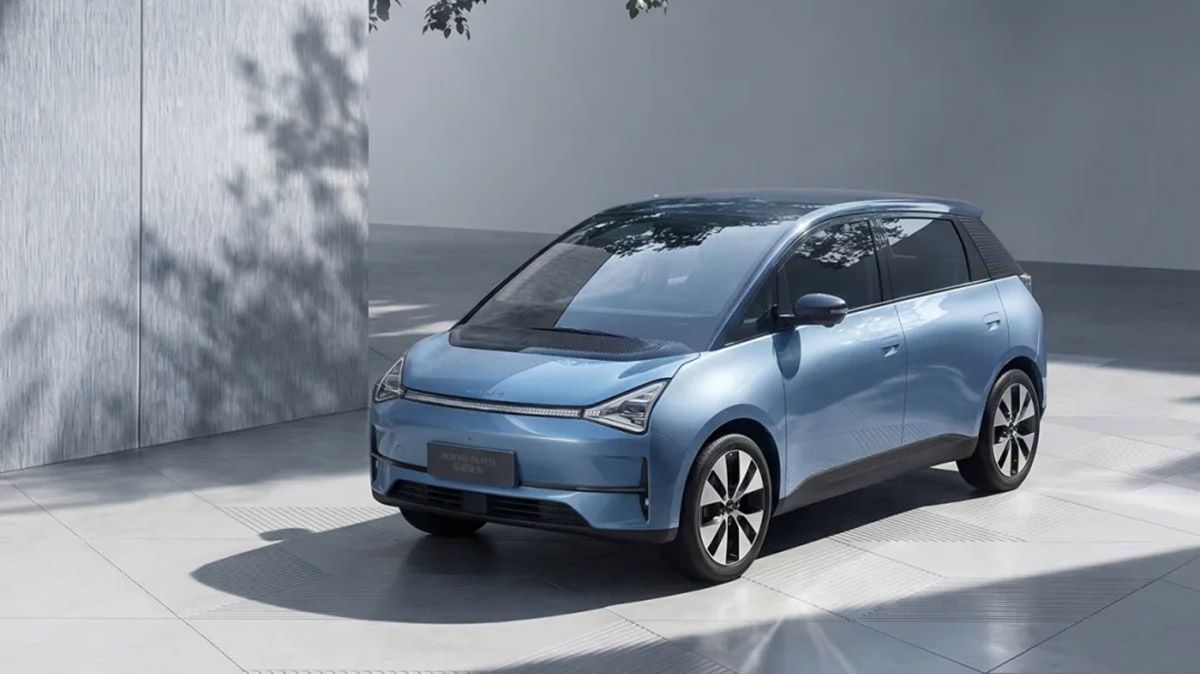
Zotye Automobile announced that the international version of its small electric vehicle Wink Y01 for export markets has entered trial batch production. The news drove its stock price to consecutive daily limit-ups on September 8 and 9, before falling back on the 10th. In the first half of the year, revenue was RMB 190 million, down 32.08% year on year, with a loss of RMB 152 million after excluding non-recurring items. The new model has not yet announced pricing, range, or a delivery timetable, and overseas regulatory certification, sales channels, and follow-up funding all remain uncertain. The path to resuming production and exports still remains to be seen.
On September 10, Zotye Auto (Shenzhen Stock Exchange: 000980) saw its shares hit the daily limit up for two consecutive trading days on September 8 and September 9 after the international version of its small electric vehicle Wink Y01 for export markets entered batch trial production, before pulling back on September 10. As of publication, the stock was down 1.98%. As far as the news itself is concerned, this is only an intermediate milestone in the resumption of production, but the capital market responded with consecutive limit-up moves.
As an automaker that went through bankruptcy reorganization and has long been in a state of suspended production, Zotye is now making overseas markets the main direction for its new model. Whether trial production can translate into stable mass-production deliveries and revenue depends on a series of conditions that have yet to fall into place.
Trial Production Begins, Key Specs Still Blank
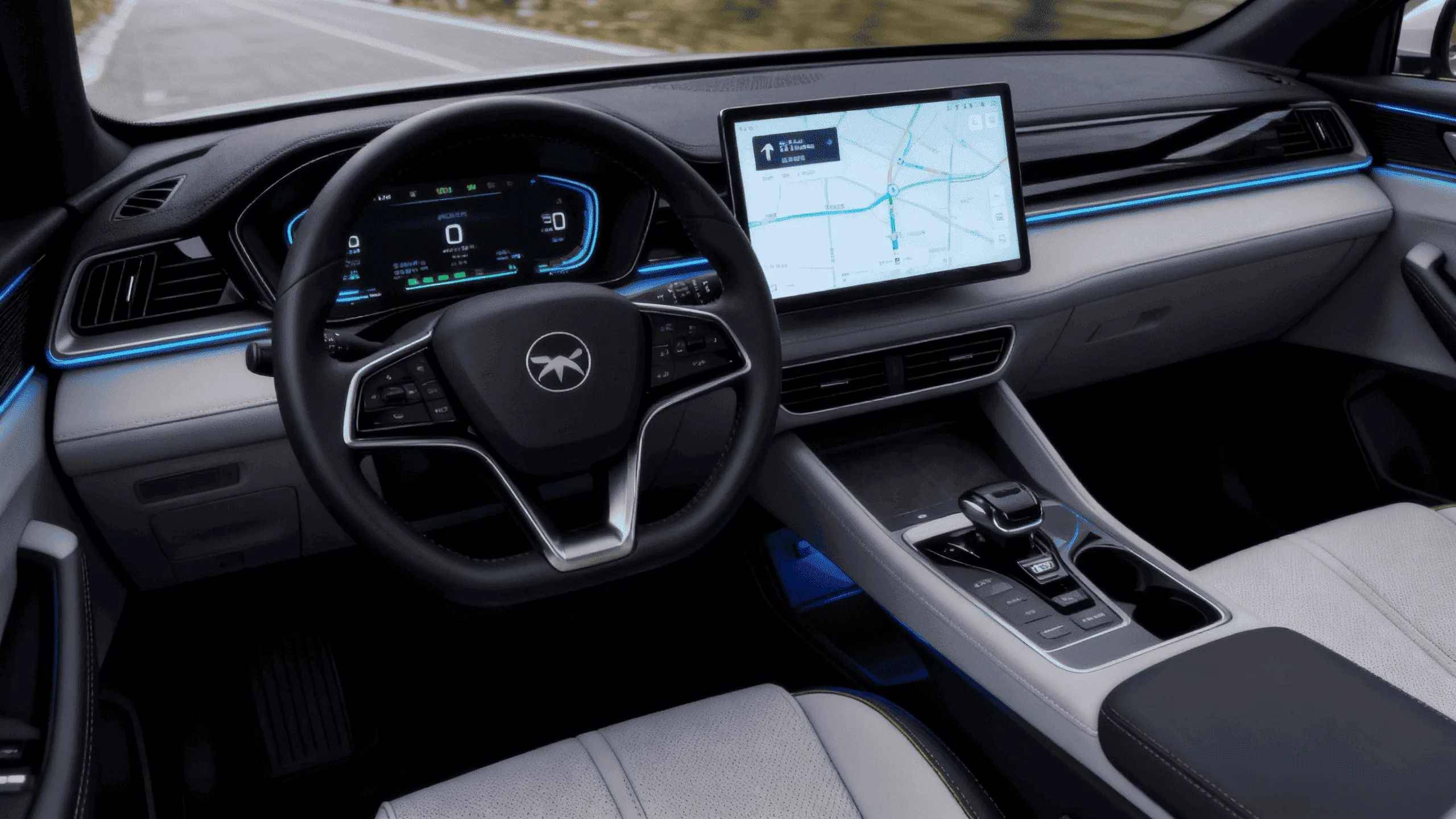
Zotye announced on September 9 that the international version of the Wink Y01 had officially entered batch trial production. The vehicle is built on Zotye's S platform for small pure electric vehicles, with body dimensions of 3912/1745/1545 mm and a wheelbase of 2520 mm. According to information disclosed by the company, it is positioned for use cases such as urban commuting.
Progress previously disclosed by the company shows that tooling related to the new model has been delivered, and the paint shop at its Zhejiang Yongkang production base has moved from equipment debugging to process testing.
But for a product whose main target market is overseas, Zotye has not yet announced pricing, range or powertrain details, nor has it given a definite timetable for mass production and deliveries. This means that from trial production to making a stable revenue contribution, several steps still remain to be completed.

H1 Revenue Down 32.08% YoY, Adjusted Loss Widens
The other side of the production resumption is the financial fundamentals. Zotye's first-half revenue was 190 million yuan (about $28 million), down 32.08% year on year. Revenue mainly came from auto parts and door business, while the new model has not yet generated sales.
Profitability showed a structural divergence. In the first half, net profit attributable to shareholders of the listed company was 80.39 million yuan, compared with a loss of 148 million yuan a year earlier. But after excluding non-recurring gains and losses, the company's loss was 152 million yuan, wider than the 108 million yuan loss a year earlier.
In its earnings forecast, the company explained that the profit improvement mainly reflected compensation related to the closure of inefficient or inactive subsidiaries, branches and production bases, as well as gains from litigation settlements.
At the same time, Zotye is clearing debt to create room for resuming production. An agreement reached in June this year involved about 170 million yuan of debt and allowed the company to recover a vehicle production line and related equipment that had previously been dismantled in court enforcement proceedings.

Certification, Channels and Funding: Three Undetermined Variables
In a September 9 announcement about the unusual stock price movement, Zotye said the new model is mainly aimed at overseas markets, where regulatory certification, sales network development and demand all carry uncertainty. The company also noted that mass production and market launch require continuous investment, and whether it can obtain funding is uncertain, which may affect the timetable for overseas sales.
These three items form the core variables for observing its export path:
- Overseas certification: Models for export markets need to complete regulatory certification in target markets, and the certification cycle and outcome are not entirely within the company's control;
- Channel development: An overseas sales network needs to be built from scratch, and Zotye has not yet disclosed specific arrangements such as dealers or partners;
- Funding support: Mass production and launch after trial production require continued capital expenditure, and whether financing can be secured directly affects the pace of the launch.
Different Path From New-Energy Vehicle Startups Going Global
Zotye's latest moves provide a sample for observing how a second-tier automaker uses exports as a path to revival. Compared with the overseas expansion of new-energy vehicle startups, the two do not start from the same point: most startups expanded abroad after achieving a certain delivery scale in China, with product specs, pricing and delivery pace already relatively clear before going overseas; Zotye, by contrast, needs to complete product finalization, certification and channel building while resuming production, and trial production is only one part of that.
What Zotye can rely on is its existing production qualifications, vehicle base, and the production line and equipment recovered through debt restructuring. The uncertainty lies in the fact that the pace of progress in the above areas is not entirely in the company's own hands.
Looking at the timeline, from tooling delivery and paint shop process testing to this batch trial production, the production resumption plan is advancing in stages. But from trial production to generating stable revenue, it still needs to clear three hurdles: fundraising, overseas certification and channel development. How these three conditions are met will, to a considerable extent, determine how far this export-oriented revival path can go.