Geely Automobile and Volvo Cars have reached an agreement: starting January 2027, Volvo will become Lynk & Co's exclusive distributor in Europe, taking over its commercial and brand operations and retail after-sales network, but no equity changes are involved, and Geely will still lead product R&D and brand strategy. The context is that Lynk & Co's August sales were 17,027 units, down 37% year-on-year, and cumulative sales in the first eight months were 177,624 units, down 15% year-on-year; in the same period, Geely's August exports were 110,094 units, up 205% year-on-year, and it raised its annual export target from 640,000 to 920,000 vehicles. The cooperation is seen as an asset-light overseas expansion attempt by a Chinese brand leveraging a multinational automaker's channels, and whether European channel efficiency can translate into sales remains to be seen.
According to a statement released by Geely Automobile (HKEX: 0175), Geely Automobile has reached a final agreement with Volvo Cars. Starting in January 2027, Volvo Cars will become the exclusive distributor of Geely Automobile's Lynk & Co brand in Europe, fully taking over Lynk & Co's commercial and brand operations in Europe and providing retail and after-sales service network support.
Geely said the cooperation will help Lynk & Co shift to a more scalable retail model in Europe, expand market coverage, and improve customer reach.
Agreement Framework: Channel Operations Transferred, Equity and Product Leadership Unchanged
Based on disclosed information, this cooperation does not involve changes to the equity structure. Geely Automobile will continue to lead Lynk & Co's global product design, R&D, regulatory certification, and overall brand strategy; Volvo Cars will be responsible for Lynk & Co's market operations in Europe. This division of responsibilities means that the front-end sales and after-sales links of the European business will be carried by the Volvo system, while product definition and brand direction remain in Geely's hands.
The partnership between the two parties dates back to 2017, when Lynk & Co was established as a joint venture between Geely Automobile and Volvo Cars. In November 2024, Zeekr, a brand under the same group, announced a series of equity acquisition and capital injection arrangements to obtain a 51% stake in Lynk & Co, including the acquisition of the 30% stake held by Volvo Cars. The transaction was completed in February 2025. Volvo Cars said at the time that after selling its stake, it would continue operational cooperation with Lynk & Co in specific markets of strategic importance to both parties. This European distribution agreement can be seen as the concrete implementation of that cooperation intention.

Adjustment to the European Path: From Subscription to Dealer Network
When Lynk & Co released its European strategy in September 2020, it focused on a subscription model in the form of a monthly fee, emphasizing flexibility in vehicle use. The latest agreement further reinforces its shift toward expanding through a dealer network.
For Lynk & Co, directly building a retail system covering sales and after-sales in multiple European countries would require a long time and high upfront investment; connecting to Volvo's existing network offers an opportunity to improve market reach and customer coverage with a lighter asset structure. This trade-off is also one of the common path choices for Chinese brands entering the European market today.
Sales Divergence: Lynk & Co Under Pressure, Geely Exports Surge
The agreement was announced against the backdrop of sales pressure on the Lynk & Co brand. Data shows that Lynk & Co sold 17,027 vehicles in August, down 37% year-on-year; cumulative sales in the first eight months were 177,624 vehicles, down 15% year-on-year.
In contrast, Geely's overall exports showed strong performance. In August, Geely exported 110,094 vehicles, up 205% year-on-year, marking the eighth consecutive month of record monthly exports, with exports accounting for about 41% of its total sales. Export growth offset the impact of declining domestic sales, driving Geely's total August sales up 8.01% year-on-year to 270,194 vehicles.
On the target front, in August Geely raised its annual export target from 640,000 vehicles to 920,000 vehicles; cumulative exports in the first eight months reached 690,985 vehicles, completing about 75% of the raised target.
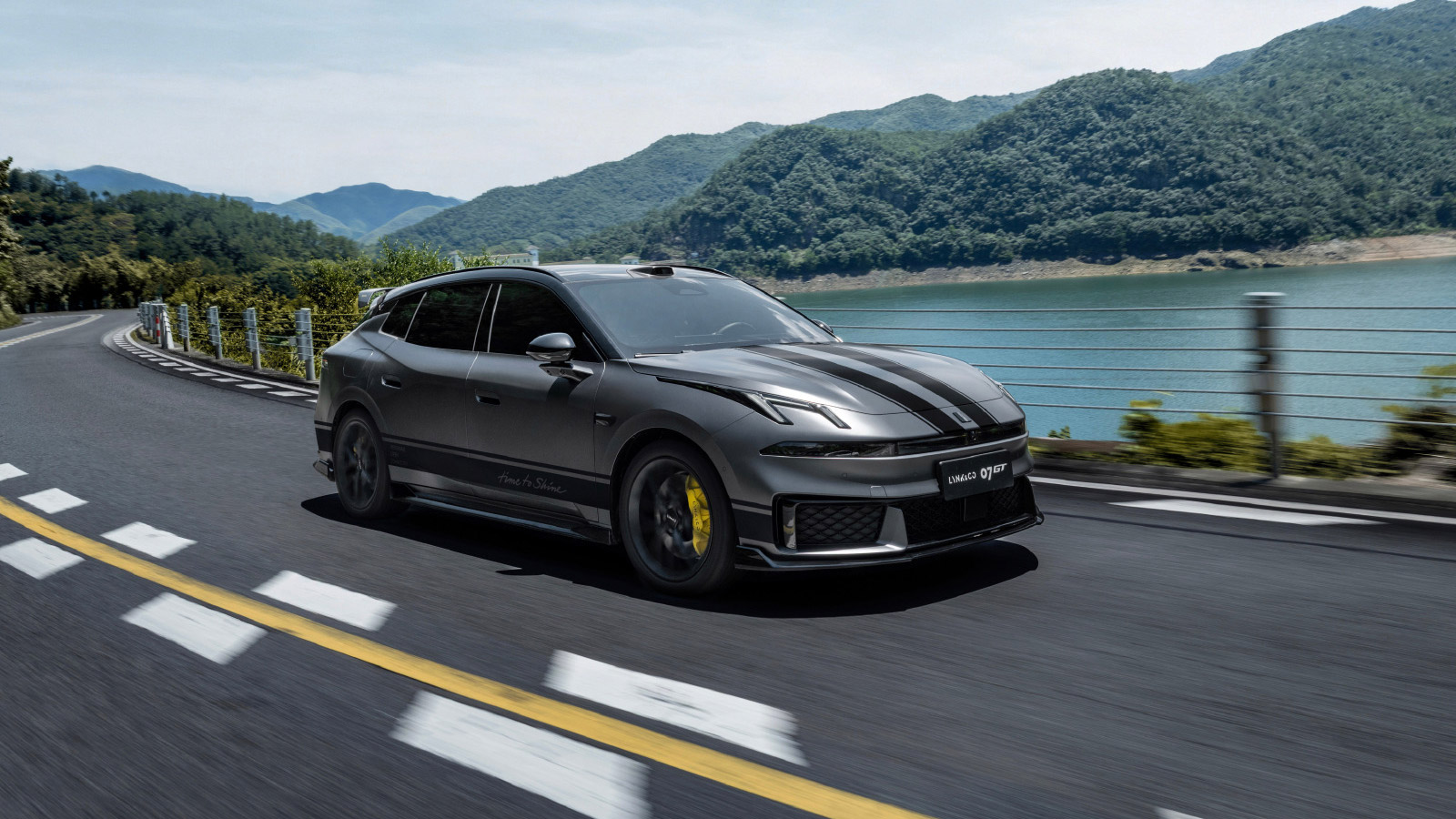
At the product level, the Lynk & Co 07 GT received more than 35,000 orders within 24 days of presale, with its launch timing coinciding with the brand's continued sales decline.

Observations on the Asset-Light Overseas Expansion Model
From a model perspective, Chinese brands leveraging the mature channels of multinational automakers to enter Europe is an attempt at asset-light overseas expansion: handing over heavy-asset links such as channels and after-sales to partners, while focusing on product R&D and brand building. Its potential advantages lie in shortening the network-building cycle, reducing upfront investment, and improving user experience in mature markets by leveraging existing service capabilities.
At the same time, after brand operations are led by a partner, how to maintain a balance between a unified brand tone and localized execution is a problem such arrangements need to face. Lynk & Co's path adjustment in Europe from subscription to a dealer network also reflects that its European strategy is still being continuously revised based on market feedback.
On the timeline, the agreement takes effect in January 2027, about a year and a half from the date of announcement. During this period, the organizational arrangements for Lynk & Co's European business, the pace of channel switching, and the extent to which Volvo's retail and after-sales network will be opened to Lynk & Co have not been disclosed in the available information. What is certain is that the high growth of Geely's export business has prompted it to raise its annual export target. To what extent European channel efficiency will translate into actual sales is one of the key variables for evaluating the effectiveness of this cooperation.