On August 5, 2026, SAIC Group and General Motors signed a strategic renewal agreement, extending the SAIC-GM joint venture term by 20 years to 2047. Following GAC Honda's renewal to 2038 and SAIC Volkswagen's renewal to 2040, this marks a shift from early-stage technology import to co-creation and capability building in China-foreign automotive partnerships.
Timeline: Intensive Joint Venture Renewals
2026 is emerging as a pivotal year in the history of China's automotive joint ventures. Three major joint ventures have successively completed or advanced renewal negotiations, signaling long-term confidence from both Chinese and foreign partners in the China market:
| Joint Venture | Original Expiry | Renewed Term | Renewal Date |
|---|---|---|---|
| GAC Honda | 2028 | 2038 | Completed |
| SAIC Volkswagen | 2027 | 2040 | Completed |
| SAIC-GM | June 2027 | 2047 | August 5, 2026 |
The SAIC-GM joint venture agreement was originally signed on October 31, 1995, with the company formally established in June 1997 under a 30-year term. This renewal extends the partnership by 20 years — the longest extension among the three renewals.
Strategic Upgrade: From "Technology Import" to "Global Export"
This renewal is far more than a simple "extension" — it signals a fundamental transformation in the China-foreign automotive cooperation model.
Role Restructuring: China-Led R&D Driving Global Products
SAIC-GM's strategic positioning is undergoing profound change — evolving from a "China market production base" to a "global product export source." Under the agreement, new products led by local R&D teams will be exported to overseas markets, representing a historic role reversal in the development of foreign joint ventures in China.
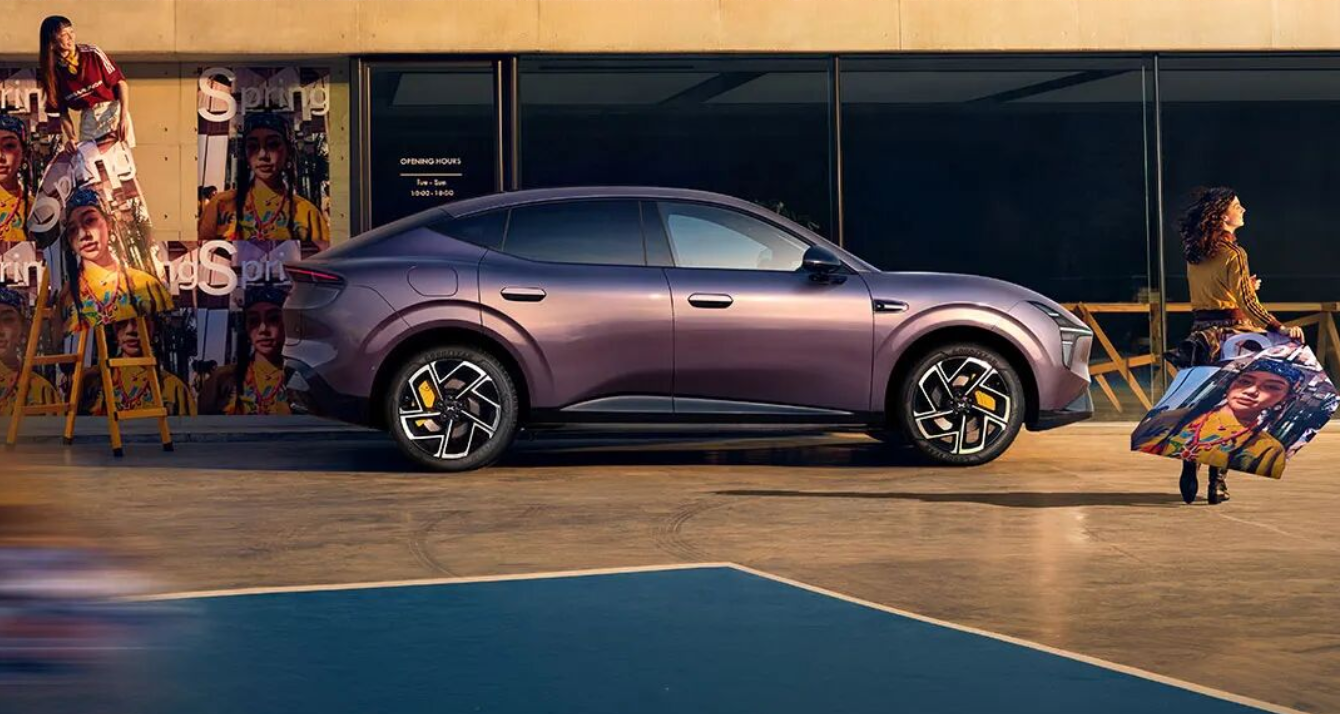
The Buick Zhijing E7 will lead the export push in October this year, becoming the company's first high-end NEV model shipped overseas. This means the joint venture's China team will not only serve the domestic market but also take on the responsibility of developing products for other global markets.
Co-Creation: A New Paradigm of Capability Building
The core keywords of the renewal agreement are "co-creation, co-research, and capability building." Unlike the unidirectional technology import model of "market for technology" from the 1990s, the new cooperation paradigm emphasizes:
- Bidirectional technology flow: Chinese partners' accumulated expertise in new energy and intelligent connectivity feeds back into global product development
- Local R&D leadership: Chinese teams gain significantly enhanced voice in product definition, technology R&D, and supply chain management
- Global resource sharing: The joint venture's R&D achievements and supply chain capabilities serve both shareholders' global market strategies
NEV Transition: Accelerated Electric Product Rollout
Under the strategic framework of the renewal, SAIC-GM will accelerate the construction of its NEV product portfolio. The export of the Buick Zhijing E7 is just the beginning — more electric models based on locally developed platforms will be launched sequentially, covering multiple segments from mainstream sedans to premium SUVs.
Market Signals: Foreign Capital Doubles Down on China
The intensive renewal of long-term partnerships by three major joint ventures sends multiple positive signals to the market:
- Unwavering long-term confidence: Despite competitive pressures from rising NEV penetration rates and expanding market share of domestic brands, multinational automakers continue to view China as a core pillar of their global strategy
- Evolution of cooperation models: Chinese partners are transforming from technology recipients to co-creators and even technology exporters — a historic shift in the balance of partnership
- Recognition of supply chain resilience: China's complete NEV industry chain and efficient manufacturing system provide important confidence for continued foreign investment
Industry Outlook
The phenomenon of multinational automakers signing long-term extensions reflects the profound transformation of China's automotive industry in the global value chain. Over the past three decades, the core logic of the joint venture model was "foreign partners provide technology, Chinese partners provide market." Today, this logic is being rewritten —
- In the new energy sector, China has become a major source of global technology innovation
- In the intelligent connectivity sector, China's market offers the world's richest application scenarios and data scale
- In the supply chain sector, China possesses full-chain capabilities from raw materials to complete vehicle manufacturing
As China-foreign joint ventures enter a new stage of "co-creation and co-research," the implications for the evolution of the global automotive industry landscape are far-reaching. The R&D centers and manufacturing bases of joint ventures in China are becoming strategic hubs for global product development. For more China-foreign automotive industry cooperation updates, visit EX1000.COM.