On August 13, Gasgoo Group CEO and Editor-in-Chief Zhou Xiaoying attended the Auto Innovation Park reading session, discussing new opportunities in overseas expansion around her book "Going Global: Practices and Strategies for China's Automotive Industry," proposing the "ecosystem expansion" core framework.
Event Overview: Sharing Knowledge, Exploring New Frontiers in Global Expansion
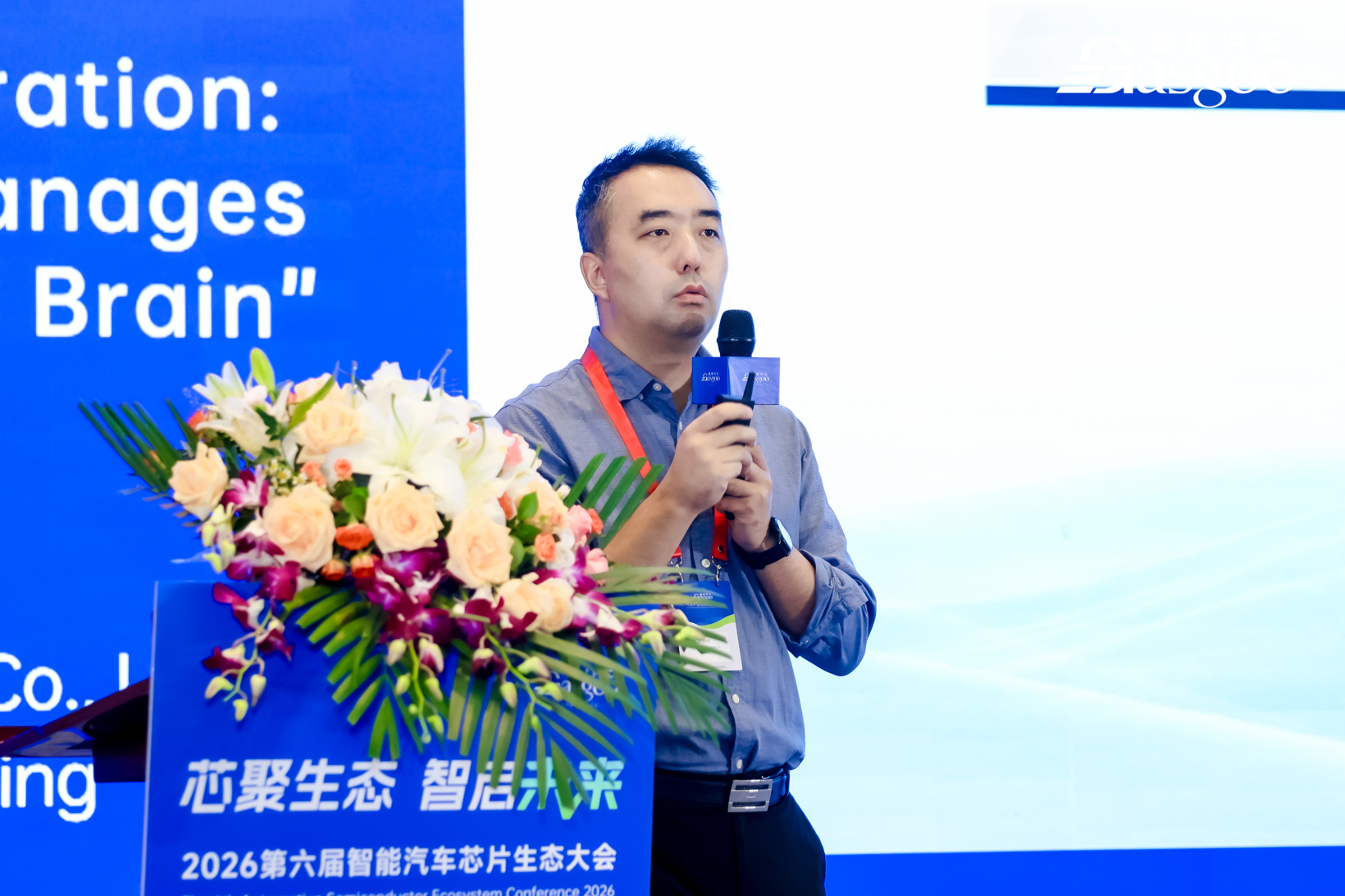
According to Gasgoo, on August 13, Zhou Xiaoying, CEO and Editor-in-Chief of Gasgoo Group, visited the Auto Innovation Park for a reading session themed "Empowering New Frontiers through Knowledge." The event centered on her co-authored book "Going Global: Practices and Strategies for China's Automotive Industry," bringing together industry professionals to explore new opportunities in overseas expansion.
The book was co-authored by Zhou and Zhang Hui, Vice President of NIO Europe and Chair of the Automotive Working Group at the European Union Chamber of Commerce in China, systematically mapping the path choices and practical methodologies for Chinese automakers and suppliers expanding overseas.
Core Framework: Five-Dimension Synergy of Ecosystem Expansion
"Going Global" introduces the core concept of "ecosystem expansion," emphasizing that China's automotive globalization is not one-dimensional product export but is driven by synergy across five dimensions:
- Product Strength: Solid product technology and quality as the foundation of overseas expansion
- Brand Power: Image upgrade from "Made in China" to "Chinese Brands"
- Distribution Networks: Localized construction of overseas sales and service networks
- Supply Chain Capability: Systematic capability of upstream and downstream industry chain协同出海
- Service Quality: Localized delivery of after-sales service, parts supply, and user operations
The essence of this framework lies in balancing strategic vision with practical depth. For China's automotive industry, which is undergoing transformation from "scale expansion" to "value creation," this concept carries critical guiding significance.
Phased Evolution of China's Automotive Globalization
At the session, Zhou Xiaoying drew on years of automotive research and international dialogue experience to outline the phased evolution of China's automotive globalization:
| Phase | Time Window | Core Characteristics | Typical Model |
|---|---|---|---|
| Product Export Period | 2010-2018 | Primarily vehicle exports, low price, weak brand | Trader model, CBU export |
| Capacity Layout Period | 2019-2023 | Accelerated overseas plant construction, localization起步 | KD assembly, joint venture plants |
| Ecosystem Expansion Period | 2024-Present | Full value chain出海, brand + service equally important | Direct sales + distribution, localized R&D |
| Deep Integration Period | 2026+ | Deep industrial chain integration, standard export | Ecosystem synergy, technology standard leadership |
Currently, China's automotive industry is at a critical juncture transitioning from the "capacity layout period" to the "ecosystem expansion period." In 2026, China has become the world's largest automobile exporter, but upgrading the export model is urgently needed.
Core Challenges and Response Strategies
Zhou Xiaoying provided a detailed analysis of the core challenges facing China's automotive globalization:
- Intensifying Trade Barriers: Rising trade protectionism including EU anti-subsidy investigations and US tariff policies
- Insufficient Localization Depth: Some companies have "gone out" but haven't "gone in," with limited brand recognition and user stickiness
- Compliance Risks: Large differences in overseas regulations and standards, increasing thresholds for data and environmental compliance
- Talent and Culture: Insufficient cross-cultural management capabilities and localized talent reserves
- Supply Chain Resilience: Increasing geopolitical uncertainty making supply chain security a new priority
In response to these challenges, the "ecosystem expansion" concept provides a systematic approach: not single companies going overseas, but the entire industry chain协同出海; not short-term trade behavior, but long-term ecosystem co-construction.
Industry Echo: Bridge from Theory to Practice
This reading session was not only a platform for knowledge dissemination but also a bridge for industry-academia dialogue. Participating professionals engaged in in-depth discussions around the "ecosystem expansion" concept, generally agreeing that China's automotive export has moved from the stage of "whether we can go out" to "how to go out better," making systematic and ecological methodologies increasingly important.
Zhou Xiaoying stated that Gasgoo Group will continue tracking China's automotive globalization process, providing information support and decision-making references for industry overseas expansion through research reports, industry events, and media communication. For more export strategies and industry insights, visit EX1000.COM.