BYD's fleet of vehicles equipped with assisted driving features has surpassed 3.52 million units, with the God's Eye system generating over 220 million kilometers of data daily. Xiaomi EV's patent for a retractable dual-logo mechanism has also been revealed.
BYD Smart Driving: The Data Flywheel Behind 3.52 Million Vehicles
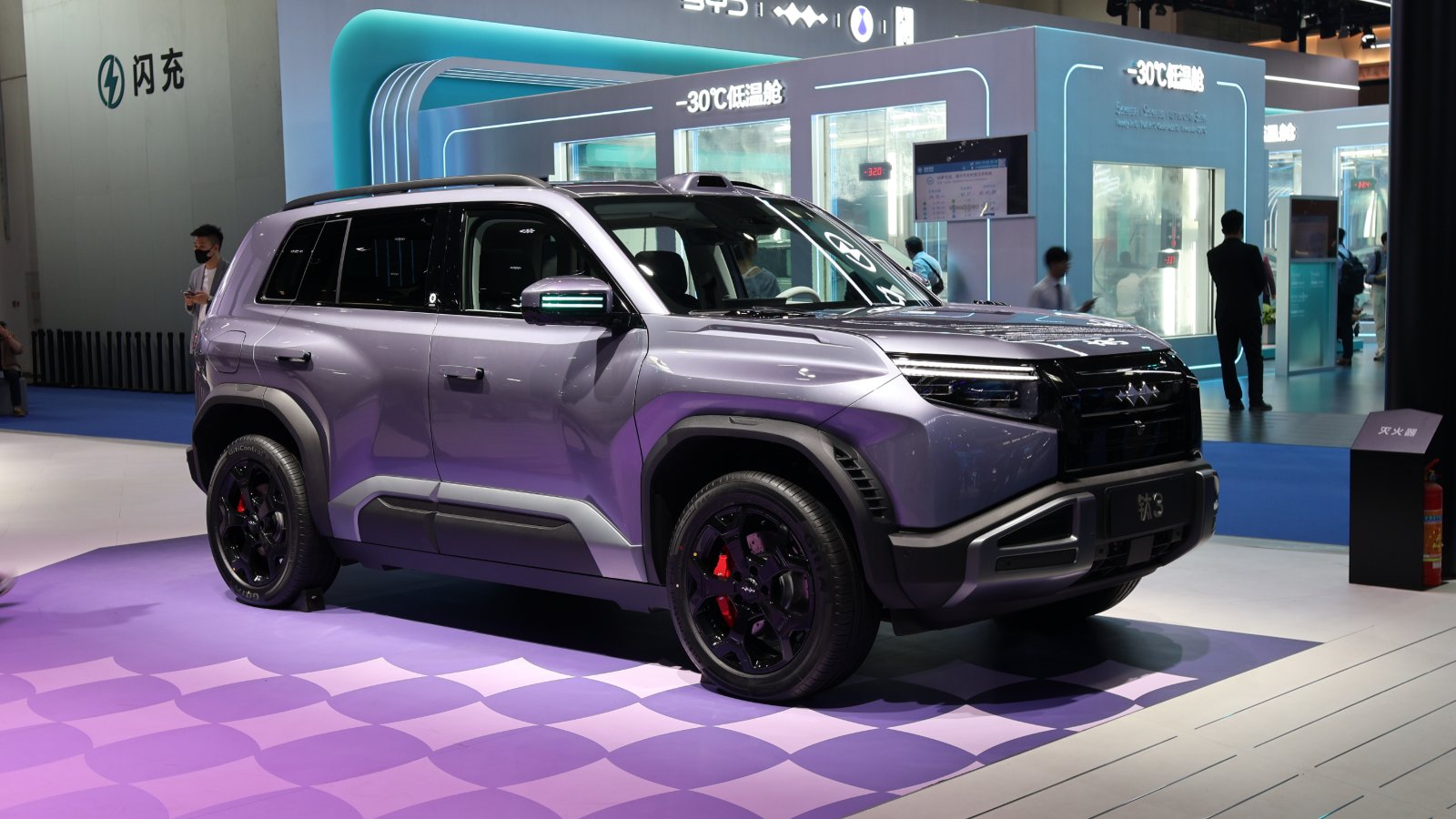
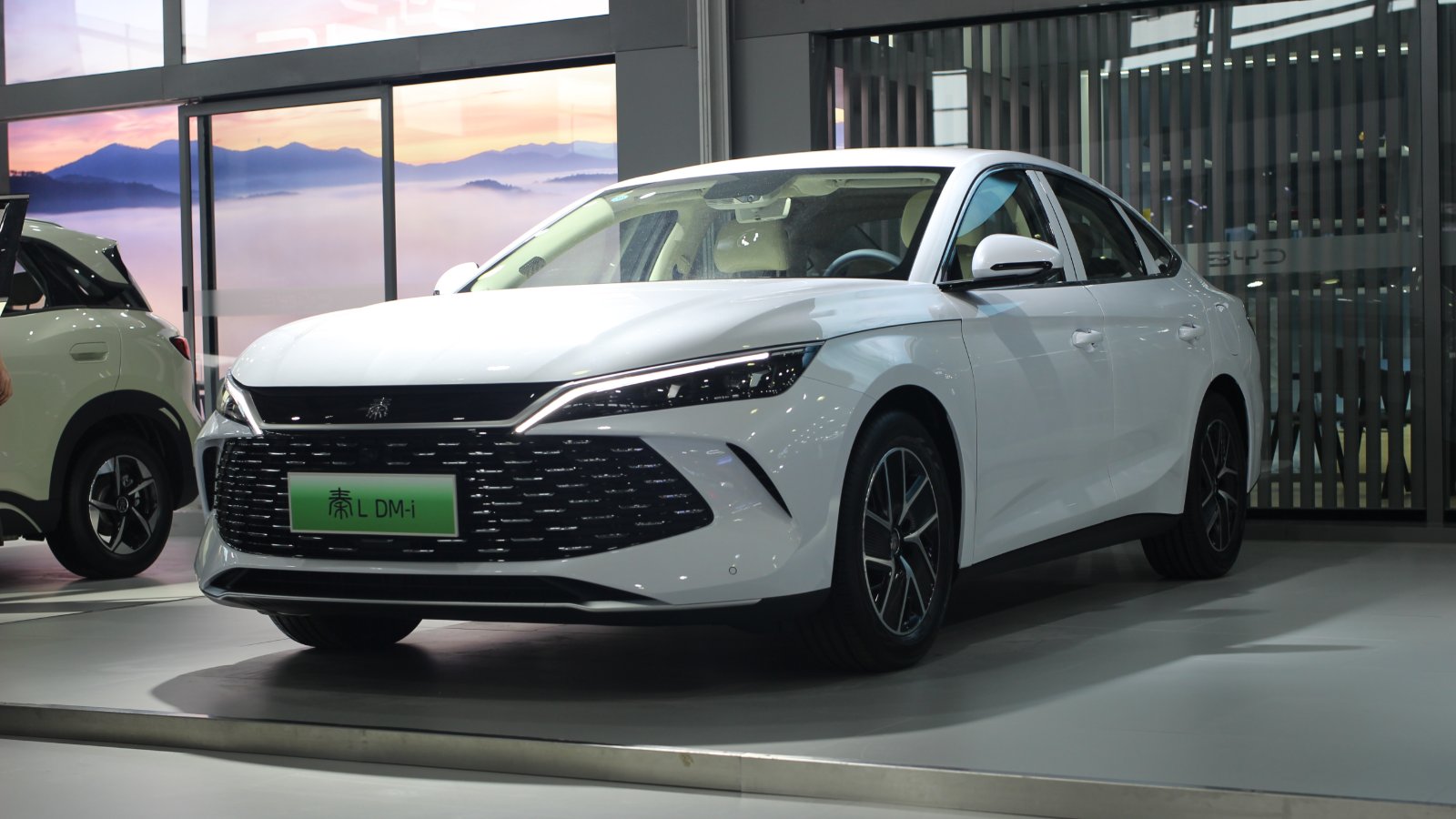
On August 13, 2026, BYD released data showing that its fleet of vehicles equipped with assisted driving features has surpassed 3.52 million units. The God's Eye intelligent driving system generates over 220 million kilometers of data daily. In July 2026 alone, sales of these intelligent driving models reached 187,670 units.
These figures represent BYD's scaled data accumulation in the intelligent driving domain. With 3.52 million vehicles generating real-world driving data, BYD has built one of the world's largest mass-production autonomous driving data pools. For autonomous driving technology, data is the core fuel—more real road scenarios, more edge cases, and more user interaction feedback mean exponentially faster and higher-quality algorithm iteration.
BYD's God's Eye system already covers a complete feature matrix ranging from urban NOA to highway NOA, from parking assist to all-scenario intelligent driving. As the fleet continues to expand, its data-loop advantage will further amplify. This scale effect not only builds a competitive moat in the domestic market but also sends a clear signal to overseas buyers and dealers: the intelligent driving capabilities of China's leading automakers are rapidly evolving from "functionally available" to "reliably dependable."
Xiaomi EV: Patent for a Retractable Dual-Logo Mechanism
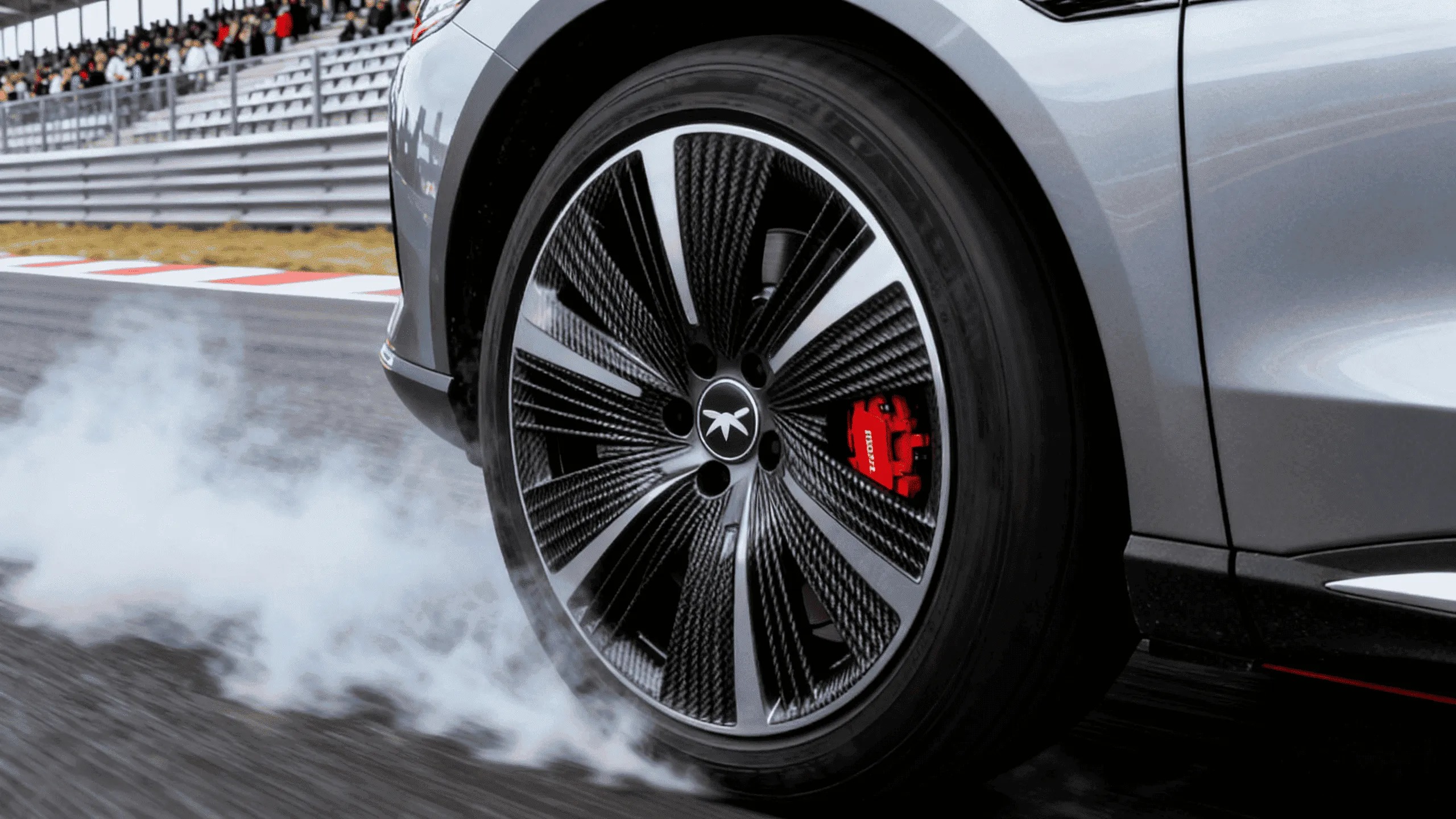
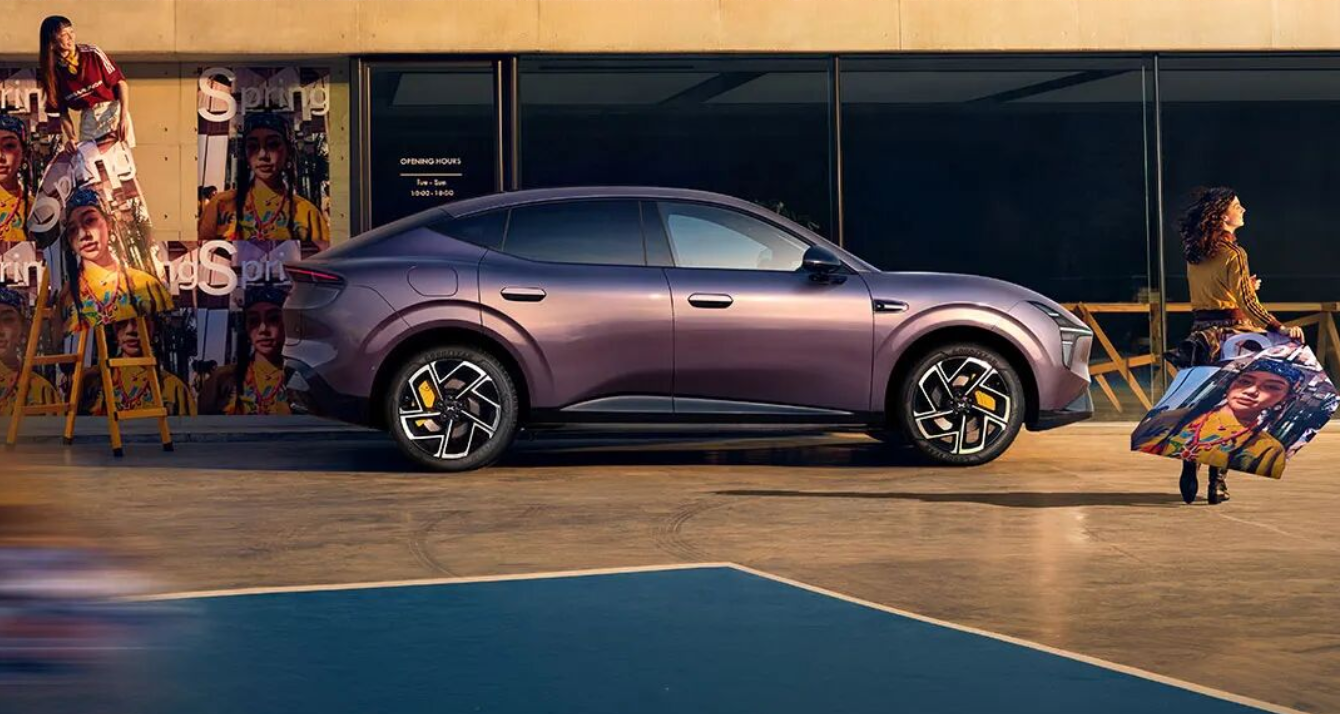
On the same day, a patent for a retractable vehicle logo mechanism from Xiaomi EV was revealed, showcasing the tech giant's innovative approach to automotive design.
Unlike traditional single-badge setups, the patent employs a dual-logo switching system that can alternate between two emblems based on the scenario:
- Ceremonial badge: A premium gold or titanium-plated emblem designed for formal occasions and display scenarios
- Daily commuting badge: A standard-material emblem better suited for everyday driving
The lightweight mechanism can be mounted on the hood, bumpers, or tailgate, and supports quick detachment to significantly simplify maintenance and replacement. While the structural design ensures operational stability, the publication of this patent does not guarantee mass production; official confirmation regarding implementation is still pending.
This approach—transplanting consumer electronics-style "scenario-based design" thinking into automotive hardware—reflects Xiaomi's unique product philosophy as a cross-industry entrant, seeking differentiation through nuanced experience details.
Seres: AI Evolves from Efficiency Tool to Business Restructuring Engine
Also on August 13, Kang Bo, a director and vice president at Seres Group, stated that for Seres, AI is "no longer a multiple-choice question, but a future imperative for production and development." AI at the company has evolved from a simple efficiency tool into an engine for business restructuring, now spanning the entire chain from R&D and manufacturing to supply, sales, and service.
This statement reflects a fundamental shift in how Chinese automakers are strategically positioning AI:
- Phase one: AI as a point efficiency tool, optimizing specific processes
- Phase two: AI as a process re-engineering engine, connecting upstream and downstream data
- Phase three: AI as strategic infrastructure, reconstructing business models
Seres' deep collaboration with Huawei (Aito series) has given it first-mover advantages in AI applications such as smart cockpits and intelligent driving. Extending AI capabilities from the cabin and driving domain to manufacturing and supply chain means it is advancing toward phase three.
| Company | Latest Smart Driving/AI Development (August 2026) | Strategic Significance |
|---|---|---|
| BYD | 3.52M smart fleet, 220M km daily data | Scale data moat |
| Xiaomi | Retractable dual-logo patent | Design differentiation |
| Seres | AI spans entire business chain | Business restructuring engine |
Industry Signal: Intelligence Enters "Data + Design" Dual-Drive Mode
BYD's 3.52 million smart fleet and Xiaomi's retractable logo patent may appear as separate news items, but together they point to a unified trend: the intelligent competition in China's auto industry is shifting from single-feature comparison toward a dual-drive model of "data scale × design innovation."
On the data side, leading automakers are building algorithm iteration moats through massive fleet-based real-world data accumulation. On the design side, new entrants are injecting consumer electronics thinking into automotive hardware, seeking differentiation through nuanced experience details.
For buyers and dealers in Central Asia, Russia, and other emerging markets, these signals mean that the competitiveness of Chinese NEVs is no longer limited to price. The uniqueness of intelligent features and the capability for data-driven iteration are becoming new value anchors. Through EX1000.COM, overseas buyers tracking export trends will see more such "technology + experience" innovation combinations in the future.