China's auto industry faces a 1.03M talent gap with autonomous driving engineer supply-demand ratio at 0.38. CAAM, MIIT, and talent research institutes call for strategic transformation. XPENG raised campus hiring to 70%.
Alarming Gap
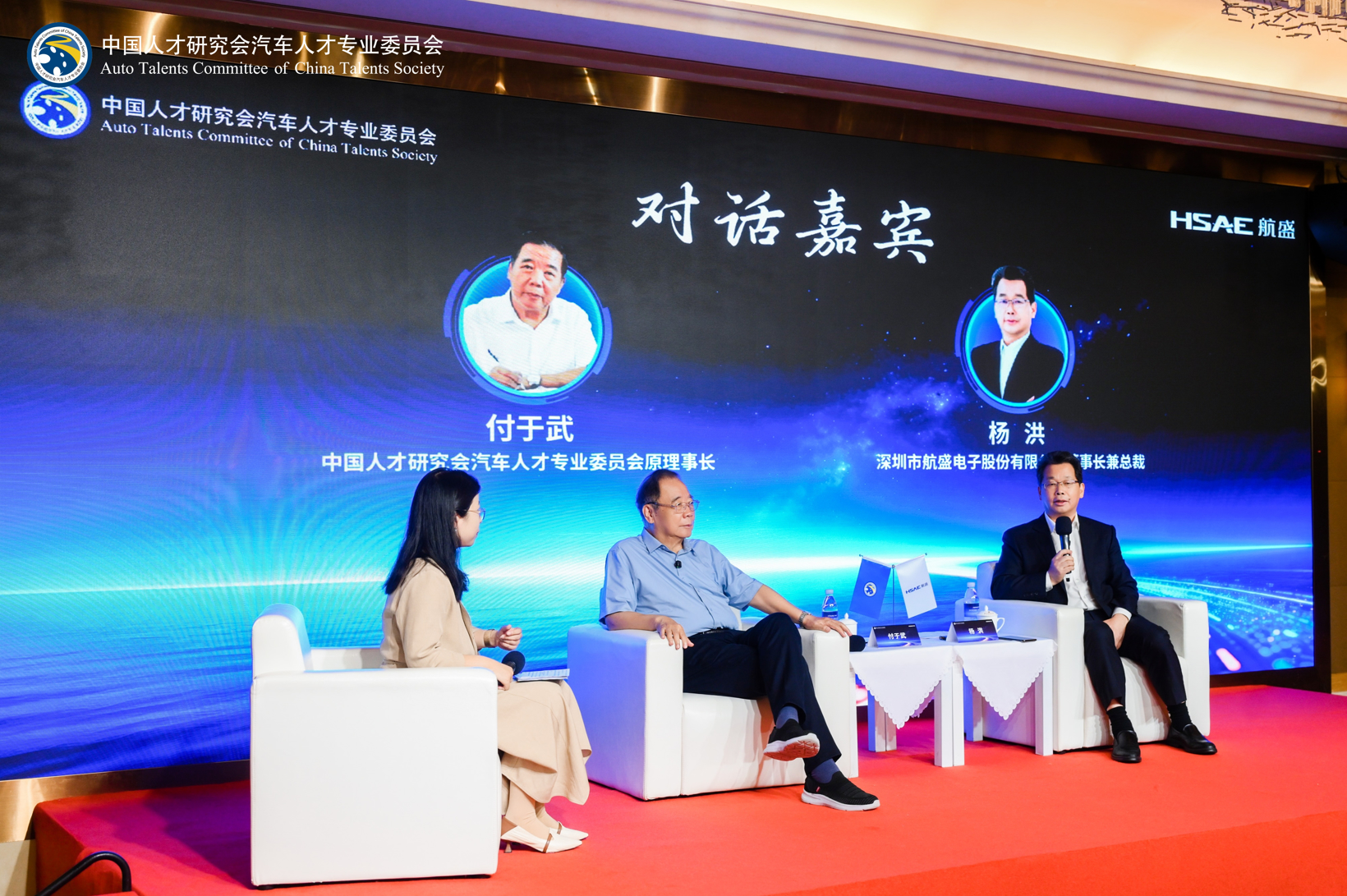
Data from the 2026 China Auto Forum reveals:
- Total gap: 1.03 million in NEV sector (MIIT Talent Exchange Center)
- Autonomous driving: Supply-demand ratio 0.38—three positions competing for one engineer
- R&D army: 938,000 auto R&D staff, software engineers account for 60% of smart-connected roles
- Cross-disciplinary shortage: Extreme scarcity of computer + automation + electronics composite talent
CAAM Deputy Secretary Chen Xu emphasized that talent will play a decisive role in achieving breakthroughs in technology innovation, industrial ecosystem, and brand influence by 2030.
Strategic Shift: From "Poaching" to "Nurturing"
Facing talent shortages, automakers are fundamentally shifting strategies:
XPENG Motors leads the adjustment: campus hiring at 50% of new employees in 2026, rising to 70% for the 2027 class, with nearly 5,000 graduates planned. This shift from "high-salary poaching" to "self-cultivation" reduces costs and improves team stability.
China Talent Research Association's Li Zhele stressed that HR departments have evolved from simple administrative functions to strategic partners for business growth, needing deep involvement in autonomous driving and digital marketing.
New Competency Standards for AI Era
- AI literacy: Understanding AI fundamentals and using AI tools to improve efficiency
- Cross-disciplinary capability: Composite skills in auto + software + data + marketing
- Global vision: Understanding international market rules and cultural differences
For Central Asia and Russia markets, early布局 of NEV talent development and establishing talent exchange mechanisms with Chinese automakers will be key to seizing industrial opportunities.