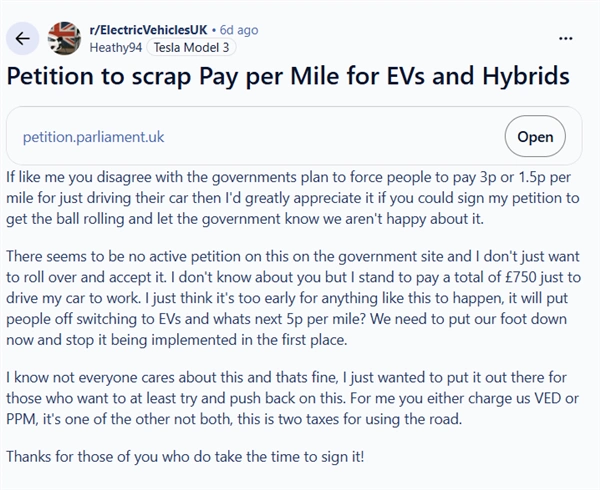
The UK government has confirmed a new electric Vehicle Excise Duty (eVED) effective April 1, 2028. Pure EVs will be taxed at 3 pence per mile, while PHEVs at 1.5 pence per mile, translating to roughly 17 RMB per 100 km for battery-electric vehicles.
Policy Core: Understanding the UK eVED Framework
The UK government has officially confirmed that a new electric Vehicle Excise Duty (eVED) will take effect on April 1, 2028. This policy marks the formal end of the long-standing tax exemption enjoyed by electric vehicles in Britain.
Under the disclosed scheme, different vehicle powertrain types will be subject to differentiated tax rates:
- Battery-electric and hydrogen fuel cell vehicles: 3 pence per mile
- Plug-in hybrid vehicles: 1.5 pence per mile
To put this in more intuitive terms, a pure electric vehicle will incur approximately 17 RMB in taxes for every 100 kilometers driven. UK government officials have stated that traditional ICE vehicle owners previously contributed to road maintenance through fuel duty, while EVs paid no such tax—creating an inequity in usage costs.
Rationale and Timeline Behind the Policy
The core rationale for introducing eVED is the sustainability of road maintenance funding. As the UK's vehicle fleet continues its shift toward cleaner energy, the government believes it is necessary to establish a comparable tax mechanism for new energy vehicles to offset declining fuel duty revenues.
Key milestones of the policy include:
- From April 1, 2028: All newly registered EVs will begin paying eVED based on mileage
- Scope of application: Covers battery-electric vehicles, hydrogen fuel cell vehicles, and plug-in hybrids
- Revenue allocation: Proceeds are expected to fund road infrastructure maintenance and upgrades
| Vehicle Type | Tax Rate (per mile) | Tax per 100 km (approx.) |
|---|---|---|
| Pure EV / Hydrogen FCEV | 3 pence | 17 RMB |
| Plug-in Hybrid | 1.5 pence | 8.5 RMB |
| Conventional ICE (reference) | Fuel duty embedded in price | varies |
Impact Assessment on the Global EV Market
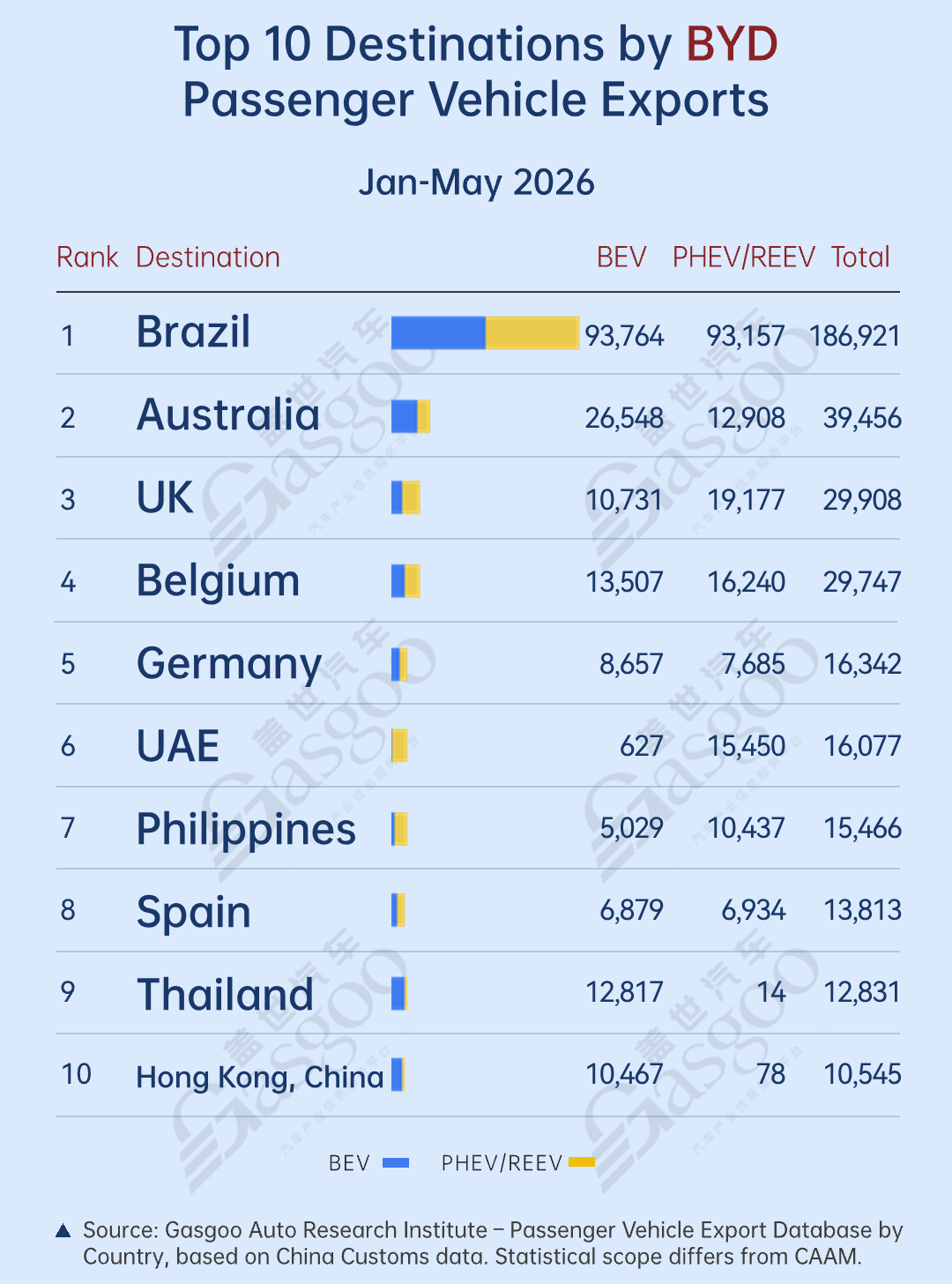
As one of the world's top ten automotive consumer markets, the UK's tax policy adjustment carries significant signalling weight. For Chinese and global automakers planning to export EVs to Britain, this change will have multiple implications:
- Cost competitiveness tested: The tax will directly increase end-user operating costs, potentially weakening the economic advantage of EVs over ICE vehicles
- Pricing strategies need reassessment: Automakers may need to absorb some of the tax impact in their pricing or adjust their product portfolio strategies
- PHEV relative advantage expands: With plug-in hybrids taxed at half the rate of pure EVs, some consumers may be nudged toward PHEVs
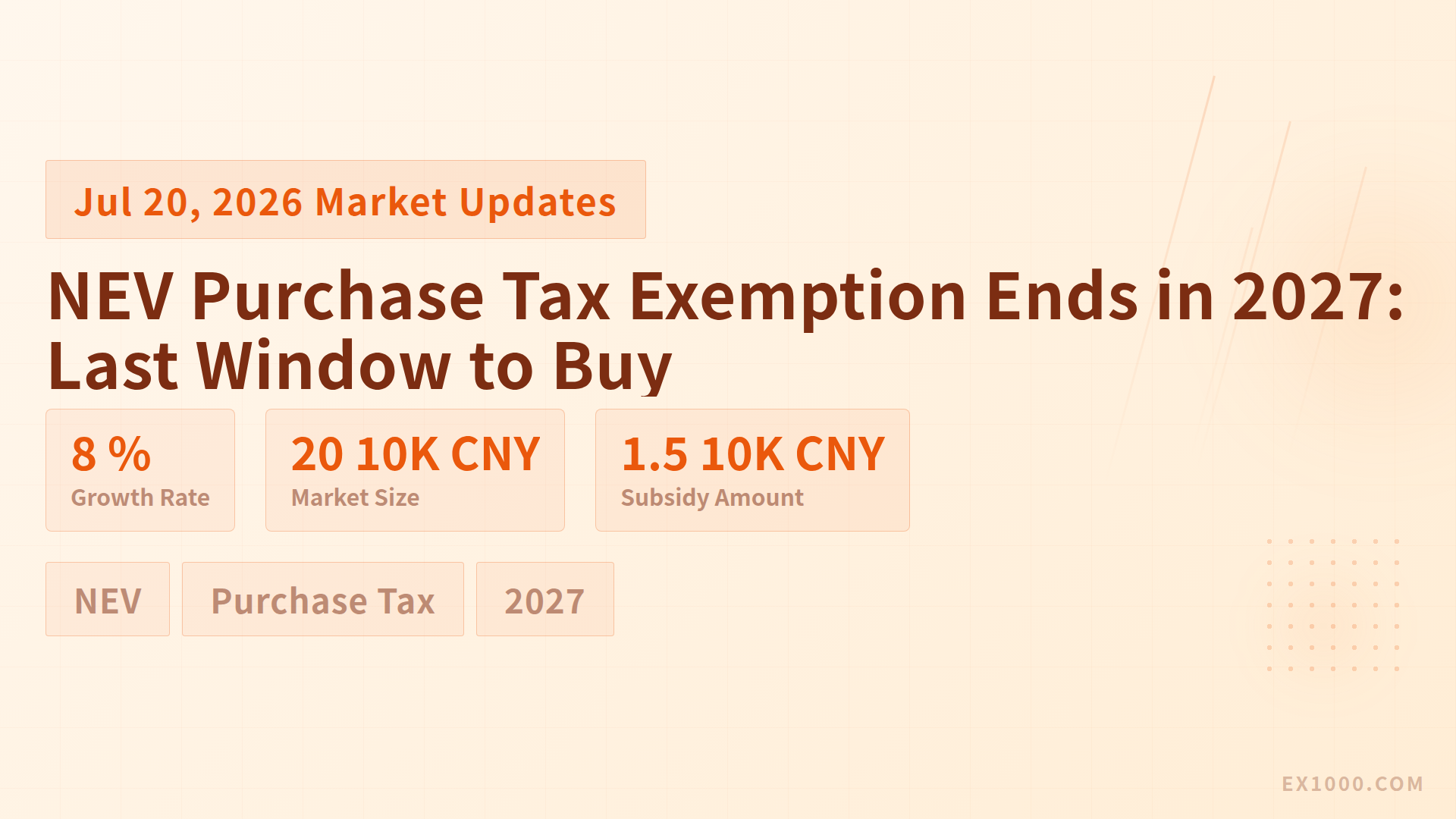
From a broader perspective, the UK's policy shift also raises deeper industry questions about the sustainability of global EV tax incentives. As governments tighten fiscal spending, the subsidies and tax exemptions that EVs have long relied on are being phased out. For buyers and dealers tracking the UK and European automotive markets via EX1000.COM, staying informed about evolving tax policies in each country will become a critical factor in export decision-making.