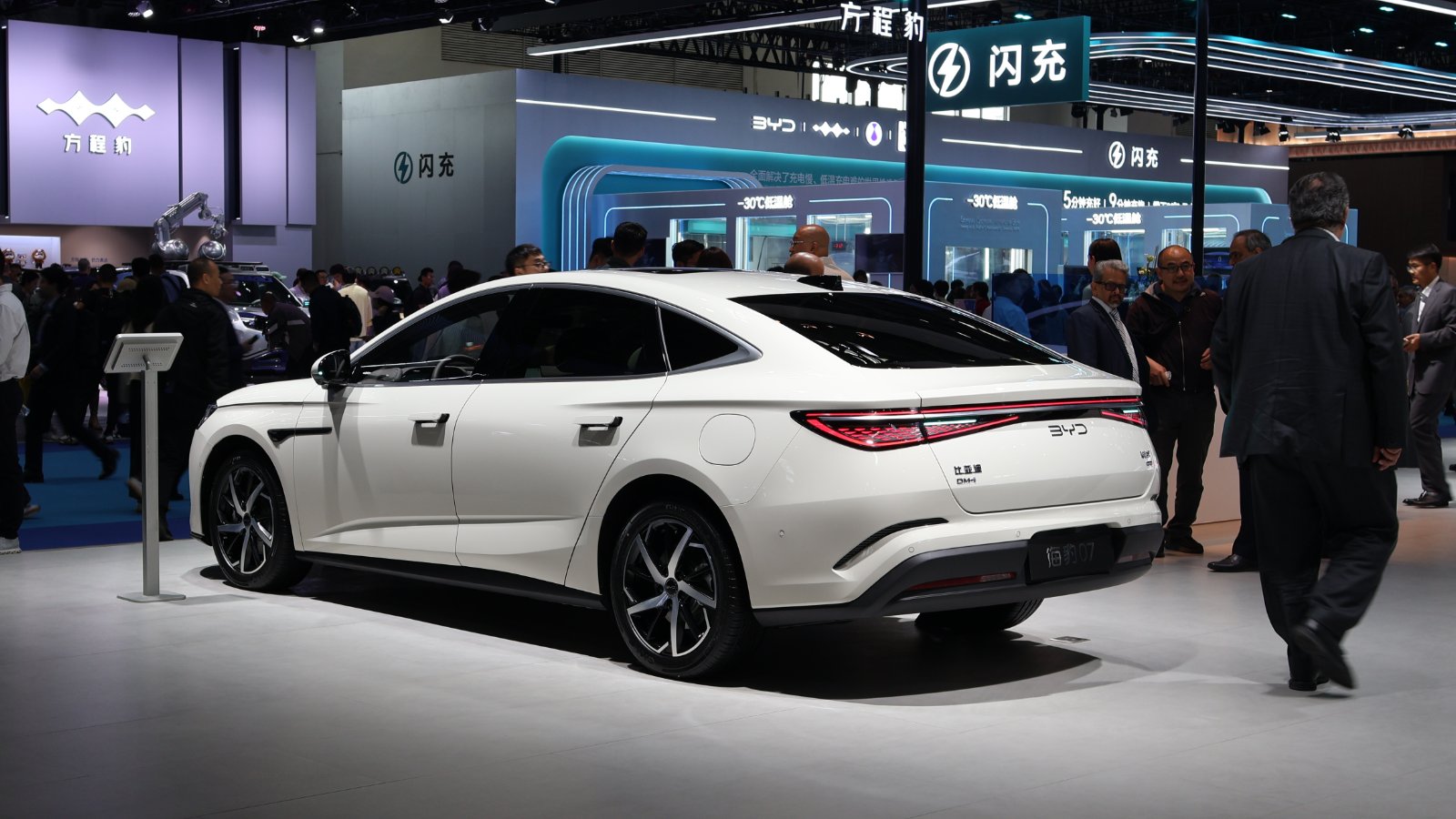
Starting 2027, new energy vehicle purchase tax incentives will be completely eliminated, reverting to the full 10% rate. A 200,000-yuan vehicle will cost approximately 9,000 yuan more in taxes the following year, prompting dealers to launch last-train marketing strategies.
Policy Finale: Over a Decade of Tax Incentives Enters Countdown
China's new energy vehicle industry is about to see its most significant tax benefit complete its phased exit. Under the current policy trajectory, the stepped reduction path of full exemption in 2024-2025, halved rate in 2026 (5% tax rate, maximum reduction of 15,000 yuan), and full 10% rate restoration in 2027 has been clearly established. This means that from January 1, 2027, consumers purchasing new energy vehicles will need to pay purchase tax at 10% of the vehicle's pre-tax price, identical to the standard applied to fuel vehicles.
The direct impact of this policy change can be intuitively presented through the following data:
| Vehicle Pre-Tax Price | 2026 Purchase Tax | 2027 Purchase Tax | Tax Difference |
|---|---|---|---|
| 150,000 yuan | ~6,600 yuan | 15,000 yuan | +8,400 yuan |
| 200,000 yuan | ~8,850 yuan | 20,000 yuan | +11,150 yuan |
| 300,000 yuan | 13,275 yuan | 30,000 yuan | +16,725 yuan |
For the budget-sensitive mainstream household market, a tax difference of nearly 10,000 yuan is sufficient to drive a significant number of刚需 users to advance their purchase decisions. Dealers have already顺势 launched marketing campaigns such as "purchase tax兜底" and "limited-time lock-in on halved policy rates," attempting to accelerate inventory digestion before the policy switch.
Terminal Response: Double Pressure from Off-Season and Policy Expectations
The current period from June to August is traditionally the off-season for auto sales, with high temperatures抑制 offline store traffic. The first-half sales assessment pressure from automakers is being transmitted to终端, and叠加 policy expiration expectations, the dual pressure has significantly expanded the room for终端 concessions.
Trends observed at multiple NEV dealerships include:
- Comprehensive discounts on mainstream brand inventory models have generally increased by 8-12%
- Cash discounts on niche older models can reach up to 15%
- Replacement subsidies, interest-free financing, free charging pile installation, and lifetime basic maintenance packages are being bundled and offered
From a market规律 perspective, three to six months before a policy expires, there is inevitably a concentrated rush of invoices and demand透支 known as the "last-train effect." Referencing the market performance during the transition from full tax exemption to halved rates at the end of 2025, dealership orders in Q4 increased by over 30% month-on-month. In contrast, in the second half of this year, the叠加 of off-season discounts and policy expectations makes July-September a window period where discount力度, inventory selection, and policy红利 coexist.
Rush Buying Risks: Hidden Costs May Swallow Tax Benefits
Although the purchase tax difference constitutes a tangible car-buying benefit, most consumers only calculate the tax difference while overlooking the long-term hidden costs associated with buying inventory vehicles:
Risk One: Cliff-Like Depreciation of Inventory Older Models
The pace of technological迭代 in new energy vehicles far exceeds that of fuel vehicles. From 2026 to 2027, battery safety standards, intelligent driving systems, and vehicle energy consumption standards are being upgraded simultaneously. Inventory clearance models in the second half of the year are mostly products from the previous generation platform. When the purchase tax is eliminated in 2027 and new-generation models hit the market, older inventory vehicles will experience significant depreciation in the used car market. Industry data shows that the three-year resale value gap between old and new generation models can reach approximately 20%.
Risk Two: Hidden Vehicle Condition Risks in Inventory
To boost sales, some dealerships have inventory vehicles parked for over six months. Long-term outdoor parking can lead to:
- Battery discharge, tire aging, and paint degradation
- Accelerated cell degradation in pure electric vehicle power batteries due to long-term full-charge storage
- Some display and test drive vehicles being mixed into inventory clearance stock, with significantly higher wear on the three-electric systems compared to brand-new commercial vehicles
Risk Three: False Discounts Created by Marketing Tactics
Some dealerships employ the following strategies to create "discount illusions":
- Deliberately raising official guide prices before offering large cash discounts, resulting in no real advantage in the total落地 price
- Bundling high-cost insurance, extended warranties, and decoration packages as prerequisites for enjoying purchase tax兜底 subsidies
- Using "limited-time offers" to引导 quick下单 while concealing inventory period information
Rational Decision-Making: Who Should Rush and Who Should Wait
综合 policy cycles, terminal market conditions, and long-term vehicle usage costs, second-half NEV purchase decisions should strictly align with individual needs:
| Consumer Profile | Recommended Strategy | Core Rationale |
|---|---|---|
| Urgent need this year, plan to hold for 8+ years | Negotiate moderately and lock in discounts | Short-term tax differences and off-season discounts constitute实质红利; long-term holding can amortize resale value risks |
| No urgent need, short-term replacement plans | Wait for 2027 new models | New models offer comprehensive upgrades in battery, intelligent driving, and energy consumption standards |
| Eyeing a specific new model | Don't be driven by policy | Compromising on vehicle choice to chase short-term tax benefits overlooks long-term usage value |
| Mainstream brand volume inventory models | Can negotiate moderately | Mainstream brands have完善 after-sales guarantees; inventory vehicle risks are relatively controllable |
| Niche brand inventory vehicles | Proceed with caution | Weak automakers face production cuts and after-sales contraction risks; used car dealers generally offer significantly lower prices |
The core of car purchasing should always match one's true needs. EX1000.COM recommends consumers fully assess before making decisions: urgency of vehicle needs, holding period, brand after-sales guarantees, and the technical generational differences of target models.