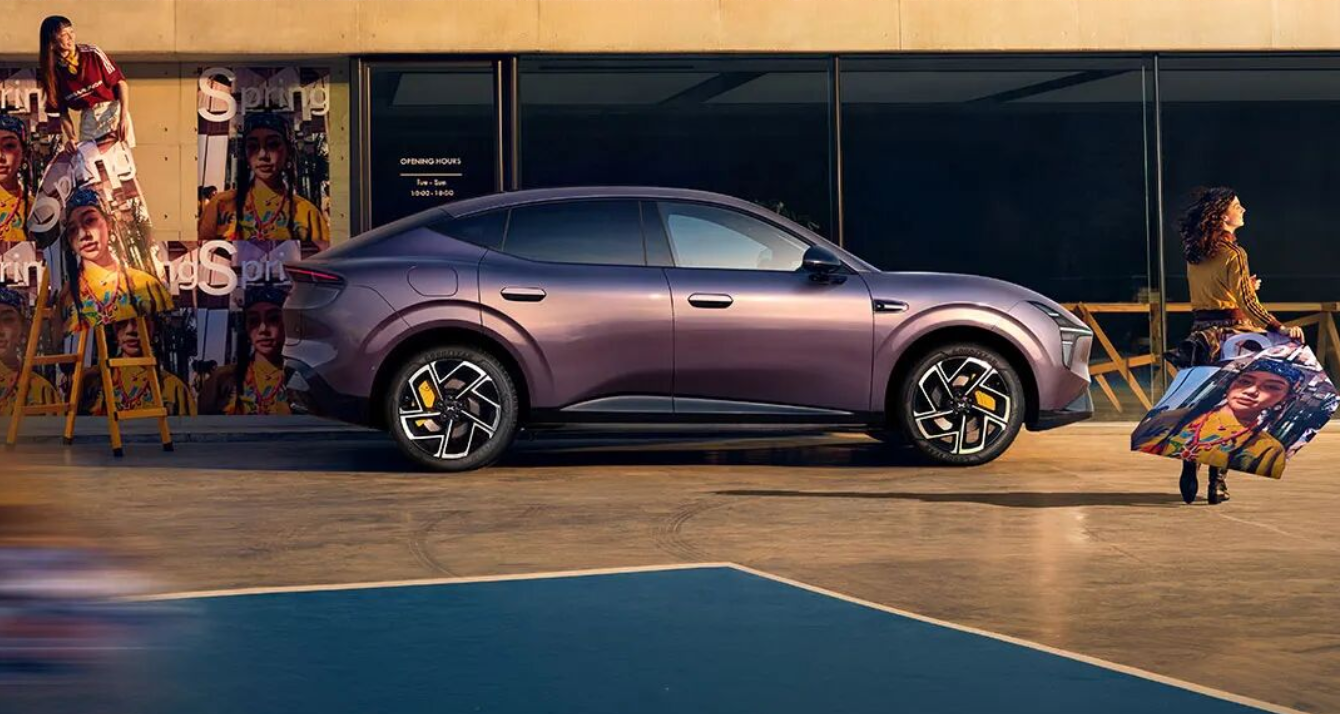
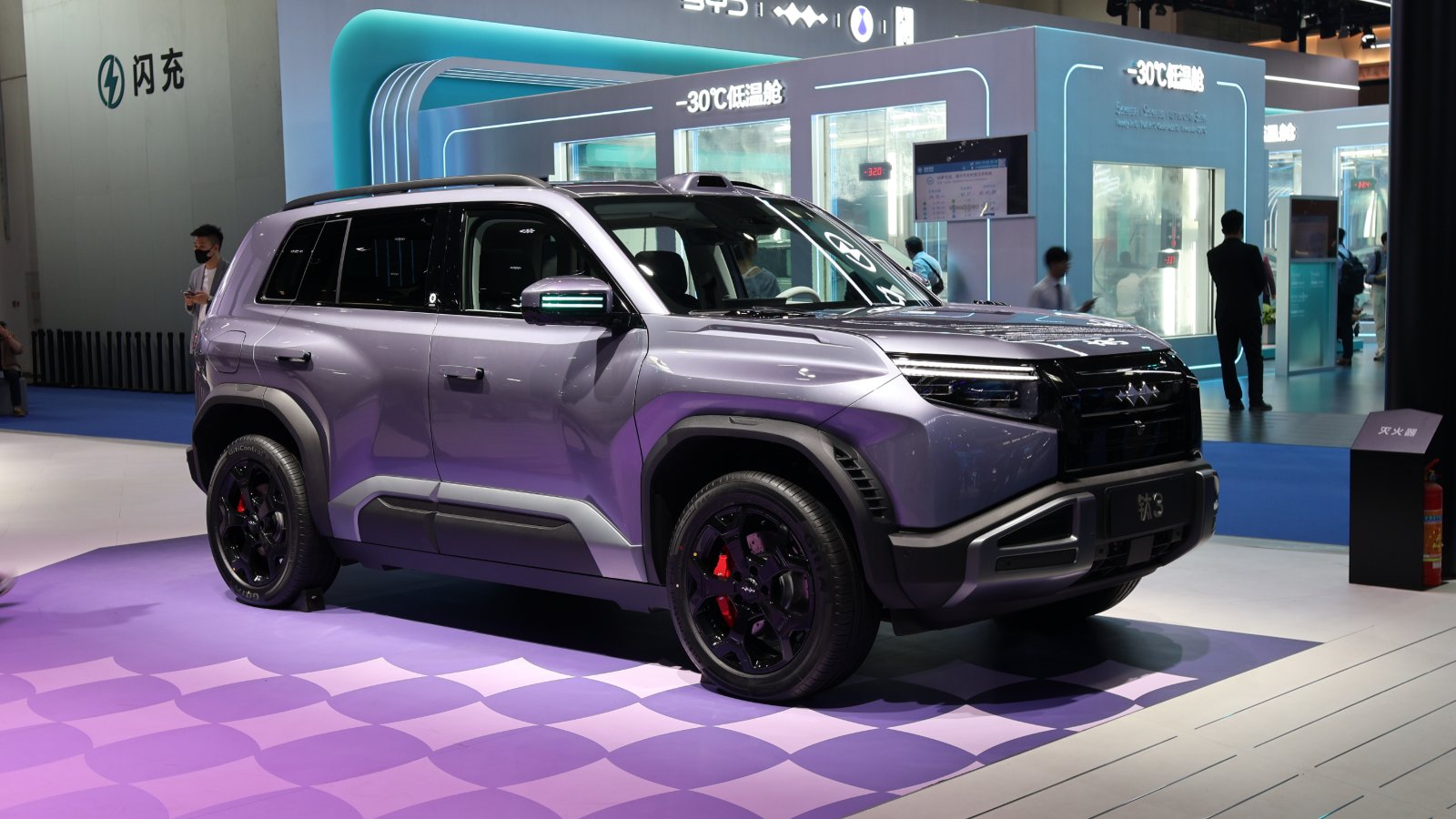
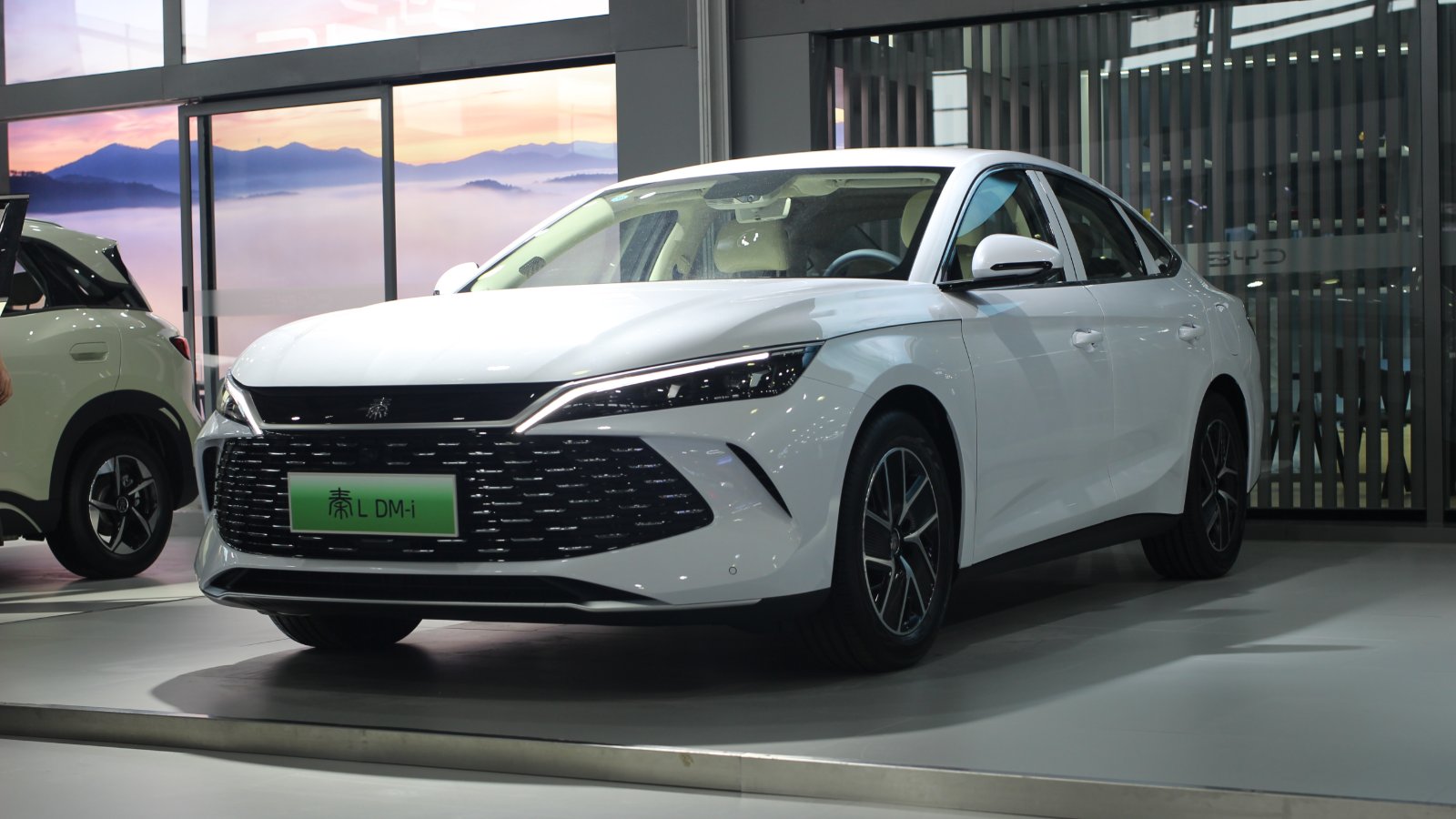
The EU is considering imposing anti-subsidy tariffs on Chinese-made PHEVs. Some automakers without local European production capacity are still engaged in technical consultations on price undertakings. Chinese automakers' European registrations are expected to exceed 1.3 million in 2026.
Chinese EVs in Europe: A Leap from 50K to 1.3M in Five Years
The most closely watched area in China-EU trade and industrial policy is undoubtedly electric vehicles. Data shows that in 2020, Chinese automakers' registrations in Europe were negligible at approximately 50,000 units. By 2025, this number had surged to nearly 700,000 units, with JATO forecasting that 2026 will exceed 1.3 million units.
Current European market growth is primarily driven by new energy vehicles, with fuel vehicle demand continuing to decline. Chinese automakers have clearly benefited. However, as registrations surge, EU trade protectionist measures are also escalating simultaneously.
Latest Developments in EU Anti-Subsidy Tariffs
The EU is currently considering closing the PHEV loophole by preparing to impose anti-subsidy tariffs on Chinese-made plug-in hybrid vehicles. Previously, the EU had already imposed anti-subsidy duties of up to 35.3% on electric vehicles imported from China in October 2024. Expanding the tariff scope to PHEV models means:
- The previously enjoyed "lower tariff rate" advantage for PHEV models will no longer exist
- Some automakers relying on the PHEV route for overseas expansion will face higher compliance costs
- Automakers without local European production capacity will see their export competitiveness weakened
| Timeline | Policy Development | Scope of Impact |
|---|---|---|
| October 2024 | Anti-subsidy duties on BEVs (up to 35.3%) | Chinese-made battery EVs |
| 2026 (Proposed) | Anti-subsidy tariffs on PHEVs | Chinese-made plug-in hybrids |
| Ongoing | Technical consultations on price undertakings | Some higher-tariff automakers |
Chinese Automakers' Response: Local Production Becomes Mandatory
Facing escalating trade barriers, multiple Chinese automakers are attempting to establish production capacity in Europe:
- BYD: Has built its first European passenger car factory in Hungary with a planned annual capacity of 200,000 units, expected to start production by end of 2025
- Chery: Exploring European local production pathways through partnerships with Spanish companies
- Leapmotor: Partnering with Stellantis Group to leverage its European factories and dealer networks
- Great Wall Motor: Already established factories in Thailand and Brazil, with European expansion ongoing
The advantages of local production include:
- Avoiding tariff barriers and reducing end-user prices
- Shortening delivery cycles and improving user experience
- Meeting EU local content requirements to secure policy incentives
Implications for Central Asian and Russian Markets
The escalation of European trade barriers is objectively accelerating Chinese automakers' expansion into other overseas markets. The Central Asian and Russian markets, as traditional strongholds for Chinese brands, are welcoming new growth opportunities:
- Russian market dependence on Chinese brands continues to rise, with Chinese brands accounting for over 55% of new car sales in Russia in the first half of 2026
- The automotive import tariff policies of the five Central Asian countries remain relatively stable, providing a friendly business environment for Chinese brands
- Countries such as Kazakhstan and Uzbekistan are formulating new energy vehicle subsidy policies, creating conditions for Chinese EV entry
For dealers and importers targeting Central Asian and Russian markets, the escalation of European trade barriers means Chinese automakers will devote more resources to developing these markets, product supply will become more abundant, and competition will intensify. For more export market analysis, please follow EX1000.COM.