Starting July 1, 2026, GB 38031-2025 "Safety Requirements for Traction Batteries of Electric Vehicles" officially takes effect, alongside L3 regulations in 2027 and solid-state battery testing standards in 2028, marking a triple-upgrade cycle for China's NEV industry.
Policy Background: The Inevitable Choice After NEV Penetration Exceeds 62%
In May 2026, China's new energy vehicle retail penetration rate surpassed 62%, with fuel vehicle sales nearly halving. The market has officially shifted from fuel vehicle dominance to NEV leadership. Simultaneously, a series of regulations surrounding electric vehicle safety and technology have begun an intensive "triple jump" upgrade cycle.
Starting July 1, 2026, a series of EV safety regulations led by the new battery national standard will be fully implemented. By July 1, 2027, L3 autonomous driving regulations will take effect. By 2028, solid-state battery vehicle testing standards will also enter implementation. This clearly structured regulatory upgrade path marks China's NEV industry transitioning from "scale expansion" to a new stage of "quality and safety parity."
Core Provisions: What Has Changed in the New Standard
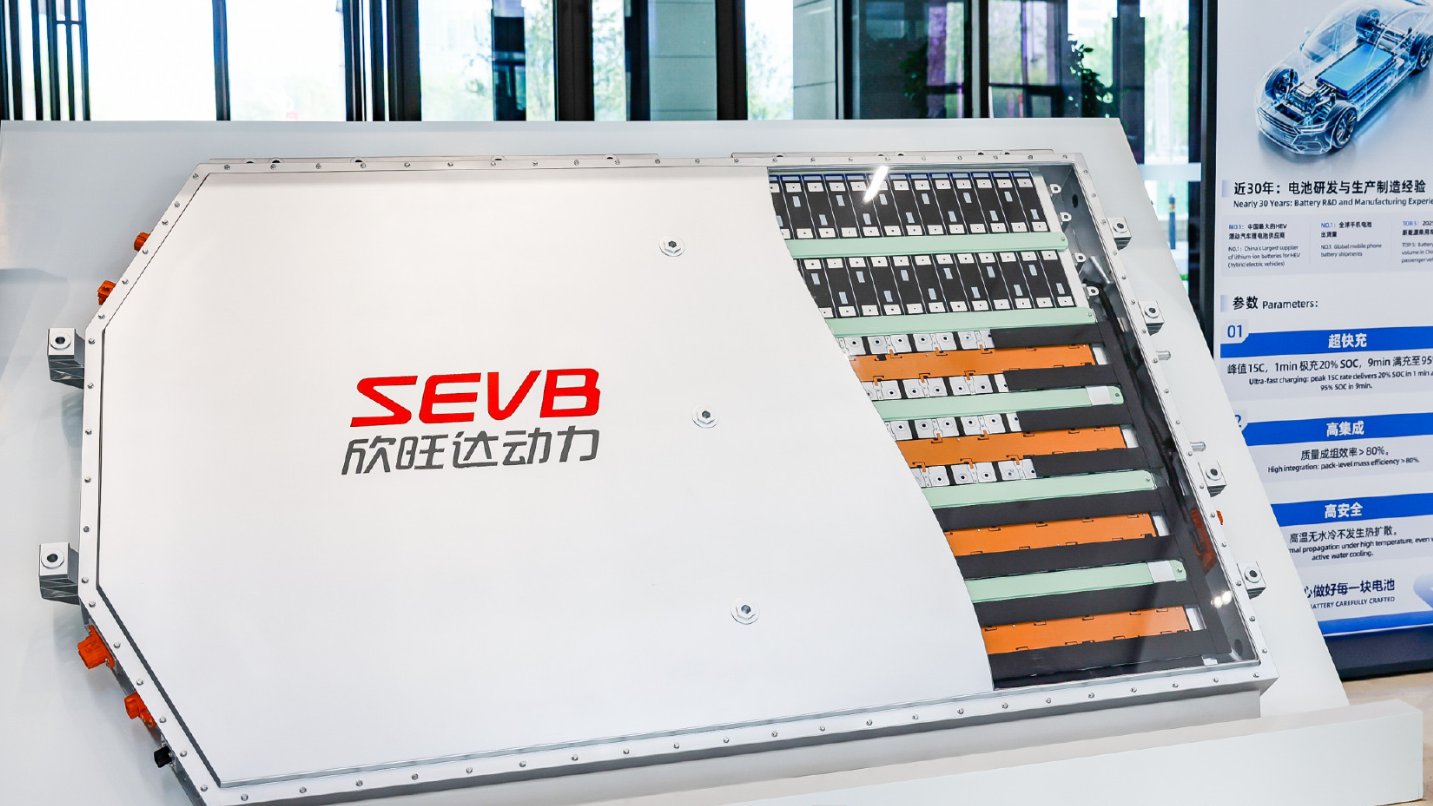
GB 38031-2025 "Safety Requirements for Traction Batteries of Electric Vehicles" officially took effect on July 1, 2026. All newly declared vehicle models must comply with the new standard. Compared to the previous version, the new national standard achieves significant upgrades in several dimensions:
- Enhanced Thermal Runaway Testing: Requires that after a single cell thermal runaway, the battery pack must show no open flame or explosion within 5 minutes, providing sufficient escape time for occupants
- Reinforced Bottom Impact Testing: Adds solid hemispherical impact testing for the bottom of battery packs, simulating scenarios such as bottom scraping and collisions during daily driving
- Fast-Charging Cycle Safety Requirements: Adds safety performance assessments after cyclic charging and discharging for high-rate fast-charging scenarios
- System-Level Safety Redundancy: Expands from single-cell safety to overall battery system safety assessment
| Test Item | Previous Standard | New Standard (GB 38031-2025) | Change |
|---|---|---|---|
| Thermal Runaway Warning Time | No clear requirement | ≥5 min no open flame | New mandatory indicator |
| Bottom Impact Test | None | Solid hemispherical impact | New test item |
| Fast-Charging Cycle Assessment | None | Mandatory requirement | New test item |
| Applicable Vehicle Scope | Partial models | All newly declared models | Full coverage |
Purchase Tax Policy Adjustments
In addition to safety regulations, NEV purchase tax incentives have entered a new phase. Starting in 2026, NEV purchase tax incentives are gradually being phased down. Vehicles priced below 300,000 yuan continue to receive exemptions, while vehicles above this threshold begin to incur partial purchase tax. This policy adjustment encourages consumption while pushing automakers to seek balance between cost control and technology upgrades.
Impact Forecast on the Industry Chain
The implementation of the new national standard will have profound effects on the industry chain:
- Battery Manufacturers: Leading companies such as CATL and BYD, with their prior technical reserves, face relatively controllable compliance costs. Small and medium-sized battery companies face dual pressure from technology upgrades and production line transformation.
- Automakers: All newly declared vehicle models must pass the new standard testing, which is expected to delay the launch schedule of some new models.
- Consumers: In the long term, improved battery safety will reduce usage risks and enhance confidence in new energy vehicles.
China's Battery Safety Standards in Global Context
China's new national standard has aligned with the world's strictest battery safety standards in certain indicators. Taking thermal runaway testing as an example, the 5-minute no open flame requirement in the new standard is consistent with the direction of the Global Technical Regulation (GTR) being developed by the UN Economic Commission for Europe (UNECE). This means that battery products meeting China's new standard can also satisfy increasingly stringent local access requirements when exported to markets such as Central Asia and Russia.
As L3 regulations in 2027 and solid-state battery testing standards in 2028 are successively implemented, China's NEV regulatory framework will become more comprehensive. While providing a "China solution" for the global automotive industry, it also offers overseas buyers and dealers clearer product quality expectations. For more industry policy updates, please follow EX1000.COM.