Core Policy Points of the Extension
Kyrgyzstan's cabinet passed a resolution on May 19 extending the transit tariff exemption for Chinese NEVs—originally set to expire at end of 2026—by one year through December 31, 2027. Under this policy, Chinese-made new energy vehicles transiting through Kyrgyzstan territory enjoy full tariff exemption and 50% VAT reduction.
Applicable conditions include: vehicles must be zero-kilometer new cars shipped directly from Chinese factories; transit time must not exceed 90 days; final destination must be an EAEU member state (Russia, Kazakhstan, Belarus, Armenia, Kyrgyzstan). The policy's original intent was to support Kyrgyzstan's status as a regional logistics transit country, but objectively it has opened a low-tax alternative export route for Chinese automakers.
Why Kyrgyzstan
This small Central Asian mountain nation's strategic value lies in its unique geographic position and policy flexibility.
Geographically, Kyrgyzstan directly borders China's Xinjiang region. The Irkeshtam and Torugart ports represent the shortest overland channels for Chinese vehicles entering Central Asia. From Kashgar to Bishkek is approximately 260 kilometers, just a 4-hour drive. Compared to the roughly 800 kilometers via Khorgos to Almaty, this route saves approximately 60% of overland distance.
In policy environment, as an EAEU member Kyrgyzstan enjoys zero tariffs on internal alliance trade. This means Chinese vehicles entering Kyrgyzstan under "transit" status can theoretically be transshipped to Russia with zero duties. While Russian customs scrutiny of "sham transit, real sales" is tightening, this policy window remains valid at least through end of 2027.
Economically, Kyrgyzstan's domestic auto market is limited at roughly 30,000 annual sales. But its potential as a transit platform is being unlocked. Bishkek's free trade zone has already attracted multiple trading enterprises specializing in Chinese vehicle import and distribution, with annual turnover exceeding 20,000 units.
Actual Utilization by Chinese OEMs
The transit tax exemption extension most directly benefits Chinese automakers facing high scrappage tax pressure in Russia.
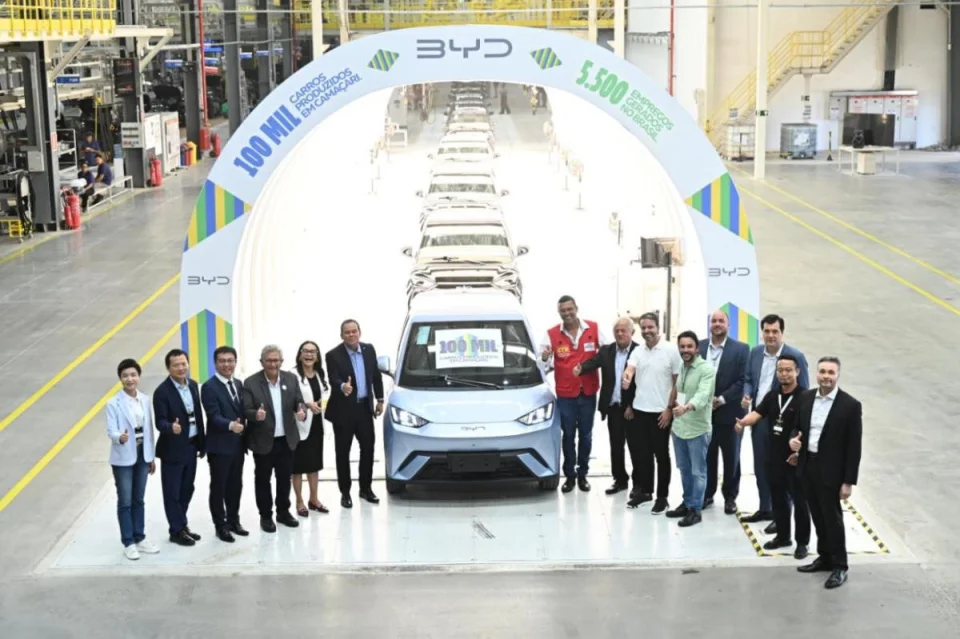
BYD, for example, routes some of its Dolphin and Yuan PLUS exports to Russia through Kyrgyzstan's logistics path. While final entry into Russia still requires scrappage tax payment, the Kyrgyzstan-segment tariff and VAT exemptions reduce overall import costs by roughly 5-7%. For annual export volumes in the tens of thousands, this represents meaningful cost optimization.
Chery and Great Wall are also evaluating the feasibility of leveraging this route. Chery's Tiggo series in particular has steady order flow in Russia, and cost savings from optimized logistics could be redirected toward after-sales network development or terminal promotions.
More notably, a cohort of cross-border traders specializing in "China-Kyrgyzstan-Russia" vehicle transit is taking shape. They offer door-to-door services covering Chinese factory customs clearance, cross-border transport, Kyrgyzstan entry procedures, Russian customs clearance, and final delivery. EX1000.COM has incorporated this path into its multi-modal logistics solutions, allowing buyers to compare and choose between routes via Kazakhstan or Kyrgyzstan.
Risks and Uncertainties
Transit exemptions are not without risks. Russian customs has intensified crackdowns on "gray imports" in recent years, conducting traceability reviews on vehicles claimed as "transit" but actually sold in Russia. Once classified as scrappage tax evasion, vehicles face tax repayment, fines, or even confiscation.
Additionally, Kyrgyzstan's domestic political stability and policy continuity carry uncertainties. The country has experienced two regime changes in the past decade, with foreign investment policies fluctuating accordingly. Post-2027 policy direction remains unclear.
Implications for Central Asian Buyers
For Central Asian consumers planning to purchase Chinese new energy vehicles, the Kyrgyzstan corridor's continuation means more options and more flexible delivery methods. Through platforms like EX1000.COM, buyers can not only compare different brand models but also choose different logistics routes, balancing cost against transit time.