In the first half of 2026, China's passenger vehicle retail sales reached only 8.701 million units, down 20.2% year-on-year. Domestic brands' market share climbed to 71.8%, while joint ventures fell across the board, with Honda's sales declining 34.7%.
Overall Market Cools in First Half
On July 15, the China Association of Automobile Manufacturers' Passenger Vehicle Information Joint Committee released data showing that in the first six months of 2026, total passenger vehicle wholesale sales in China reached 12.547 million units, a year-on-year decrease of 5.7%. Cumulative retail sales were only 8.701 million units, with a year-on-year drop as high as 20.2%. The overall market contraction means China's auto market is undergoing a deep adjustment.
This adjustment is not evenly distributed. Against the backdrop of shrinking volume, the divergence between joint venture and domestic brands is particularly pronounced. All joint venture brands saw sales declines, while domestic brands showed mixed results.
Key H1 2026 auto market figures:
- Passenger vehicle wholesale sales: 12.547 million units (YoY -5.7%)
- Passenger vehicle retail sales: 8.701 million units (YoY -20.2%)
- Domestic brand market share: 71.8%
- Joint venture brand share: Below 30%
Brand Divergence: NEVs and Joint Ventures Struggle
At the brand level, the H1 2026 report card shows a dramatically divergent pattern.
Domestic brands with the largest declines:
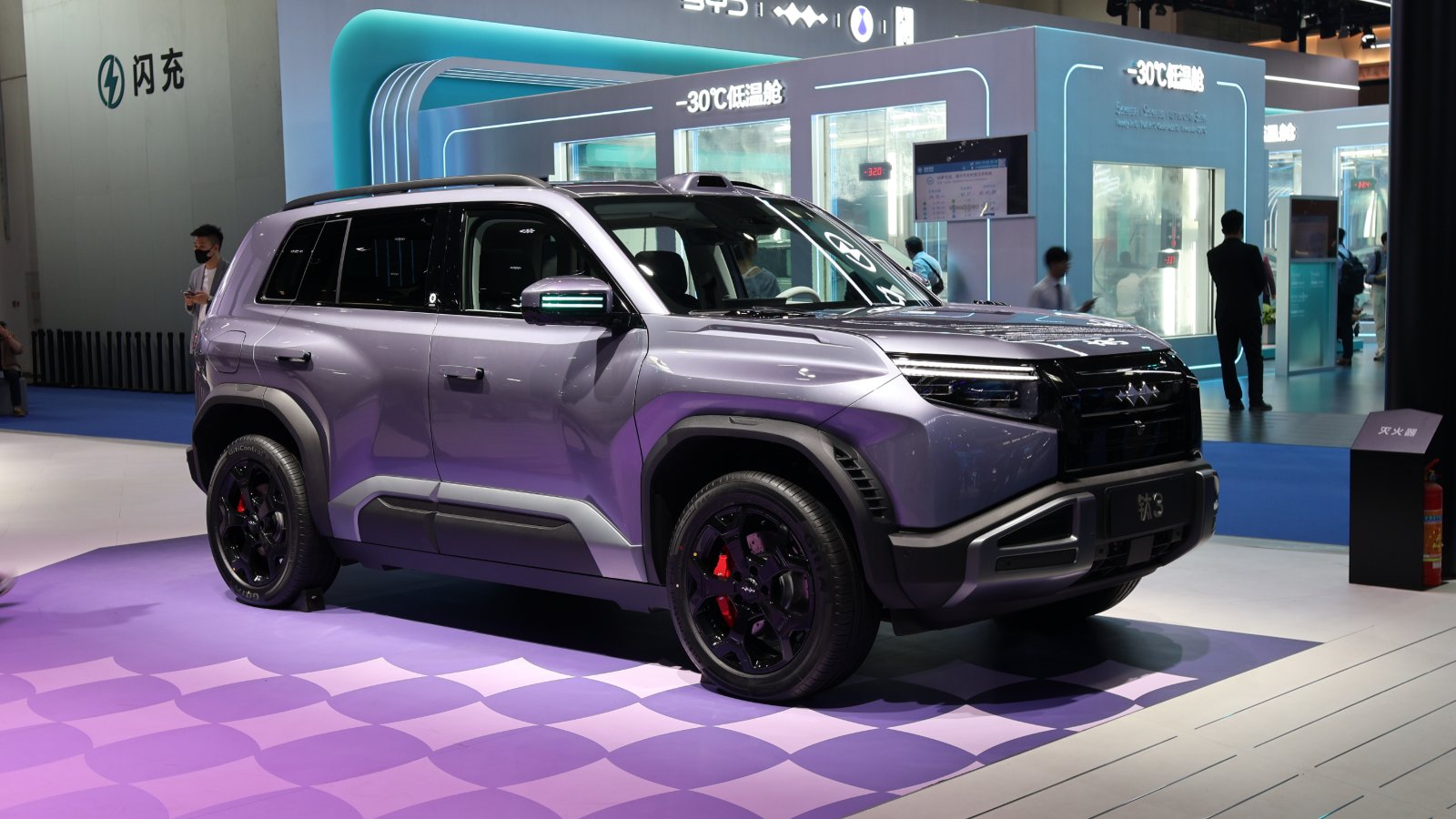
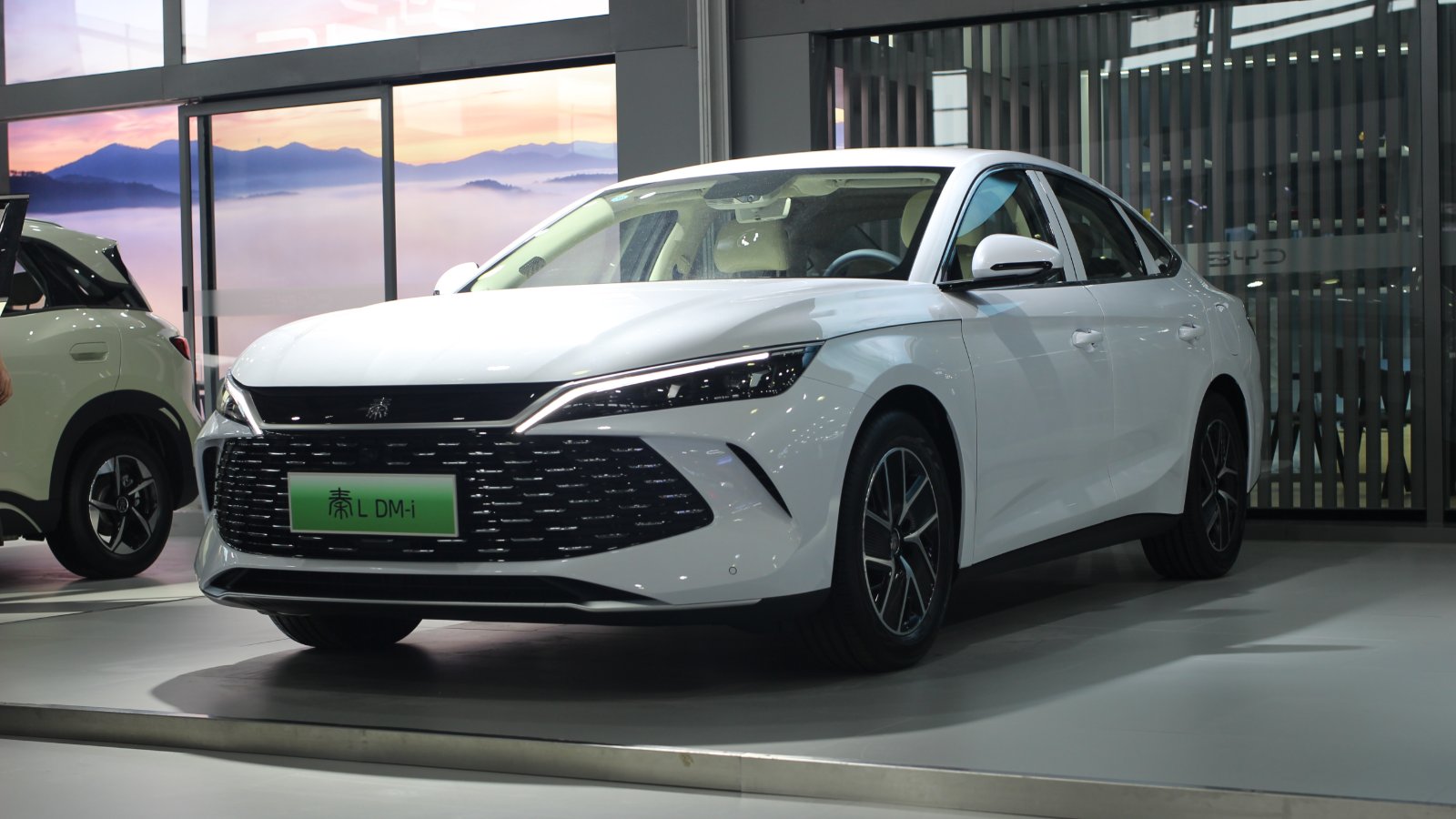
- Changan, XPeng, and BYD — ranking among the top three decliners in the domestic camp
- XPeng leads the decline among NEV startups, with significant domestic sales pressure
- BYD's domestic sales saw a decline of approximately 40%
Joint ventures in full retreat:
- Honda's sales dropped 34.7% year-on-year, nearly a 40% decline in half a year
- All joint venture brands saw significant sales declines in China's passenger vehicle market
- Joint venture market share has been compressed to below 30%
Domestic Brands Rise: Market Share Up Nearly 30pp in Five Years
The rise of domestic brands is striking. Five years ago, in H1 2021, Chinese domestic brands held only 42% of the passenger vehicle market, trailing joint ventures by 16 percentage points. Today, domestic brands' market share has climbed to 71.8%.
| Period | Domestic Brand Share | Joint Venture Share | Gap |
|---|---|---|---|
| H1 2021 | 42% | 58% | JV +16pp |
| H1 2026 | 71.8% | <30% | Domestic +41.8pp |
| June 2026 | 75.5% | <25% | Domestic +50.5pp |
In June 2026, domestic brands' market share reached 75.5%, a historic peak. This means that for every 4 passenger vehicles sold in China that month, 3 came from domestic brands.
SAIC Motor's unique performance:
- SAIC Motor is the only Chinese automaker with sales exceeding 2 million units
- Total sales including SAIC Volkswagen, SAIC Audi, and SAIC GM reached 2.045 million units
- This reflects that joint ventures still contribute structurally within the group, but the rise of domestic brands has become an irreversible trend
Outliers' Growth Against the Tide
Amid the widespread decline, some brands have bucked the trend. Leapmotor achieved a 60.8% increase, leading the NEV startup pack by a wide margin and becoming the most eye-catching growth brand in H1 2026. This demonstrates that even in a shrinking overall market, brands with strong product competitiveness and pricing can still win consumers.
Summary of H1 2026 market dynamics:
- Volume contraction: Retail sales dropped 20.2% YoY, market entering an adjustment period
- Structural reshaping: Domestic brand share surged from 42% to 71.8%
- Joint venture retreat: All joint venture brands declined, with Honda's drop the largest
- NEV divergence: Leapmotor surged 60.8%, XPeng led the decline
- BYD's challenge: Domestic sales fell sharply, but overseas exports remain a growth highlight