Top.Mail.Ru
logo

humanoid robots

XPENG Unveils Vehicle Tech Platform in Paris, Shifting Overseas Strategy from Cars to Technology

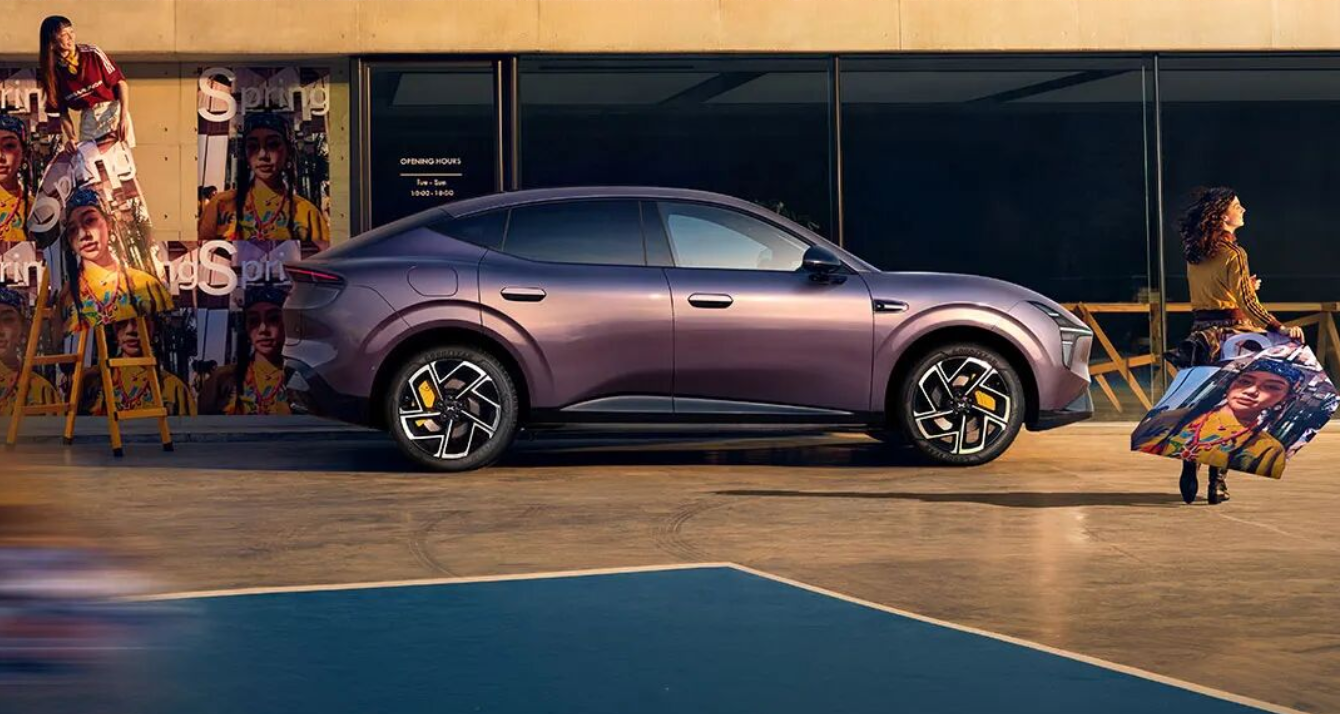
On October 14, 2026, during the Paris Motor Show, He Xiaopeng, Chairman and CEO of XPENG Group, attended the Paris Automotive Summit, released the smart vehicle solution XPENG AI ENGINEERING, and announced progress in the physical AI ecosystem. The solution consists of a vehicle platform, modular technology, and a toolchain; the company claims it saves 41 minutes in per-vehicle inspection time and reduces annual operating costs of production-line electrical inspection by 95%. Timelines for three product lines were also disclosed: humanoid robots are planned for mass production by the end of 2026 and delivery in the first half of 2027; Robotaxi has been given the Chinese and English names “小鹏悠游” and “XPENGYOYO” and is in talks with European mobility platforms; flying cars have cumulative orders exceeding 7,000 units, and NGP is planned to be gradually delivered to global customers starting in 2027. XPENG’s role in Europe is extending from a complete-vehicle exporter to a technology supplier, while the pace of implementation and local compliance remain to be verified.

42718 hours ago
XPeng to License Tech to Overseas Automakers Beyond Volkswagen as Services & Other Gross Margin Hits 75.1%

XPeng to License Tech to Overseas Automakers Beyond Volkswagen as Services & Other Gross Margin Hits 75.1%

XPeng plans to provide technology licensing to overseas automakers beyond Volkswagen, covering electrical and electronic architecture, cockpit systems, Turing AI chips, and intelligent driving software; potential partners also include software developers and component suppliers. Its first model under the collaboration with Volkswagen, ID.UNYX 08, entered mass production in March 2026, taking 24 months. In the second quarter of 2026, XPeng's services and other revenue nearly doubled, with gross margin rising to 75.1%, while automotive gross margin fell to 12.1%; cumulative overseas sales exceeded 100,000 units, and it plans to expand technology licensing into Robotaxi and embodied intelligence fields.

54827 days ago
Supply Chain Overlap of 60%-70%: Auto Parts Firms' Path to Robotics Migration Emerges

Supply Chain Overlap of 60%-70%: Auto Parts Firms' Path to Robotics Migration Emerges

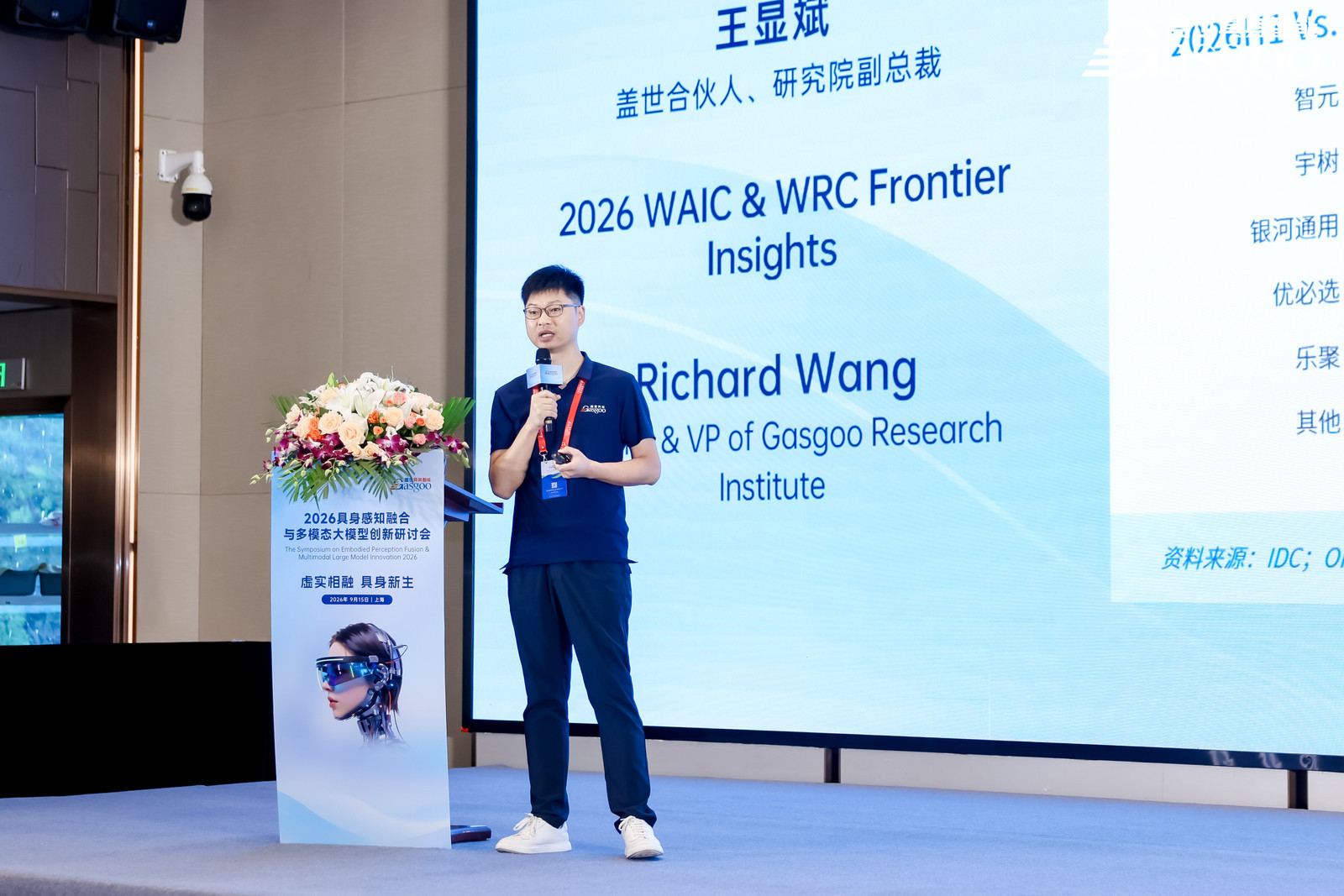
On September 15, at a Gasgoo seminar, Gasgoo partner Wang Xianbin pointed out that the commercialization of humanoid robots is still in its early stages, with global robot shipments this year at about 60,000 units and China at about 50,000 units. In the complete machine BOM, the actuation system accounts for nearly half, and domestic production of core components is expected to drive prices down by 40% to 70%. The overlap between the automotive and robotics supply chains reaches 60% to 70%, providing a path for component companies to reduce costs through migration and reuse their overseas expansion capabilities, but small-scale pilots will not begin until next year, with the short term focusing more on capability building and validation.

37431 days ago
Hyundai Delays In-House Driver Assistance Software to End-2029, Taps Nvidia for 2028

Hyundai Delays In-House Driver Assistance Software to End-2029, Taps Nvidia for 2028

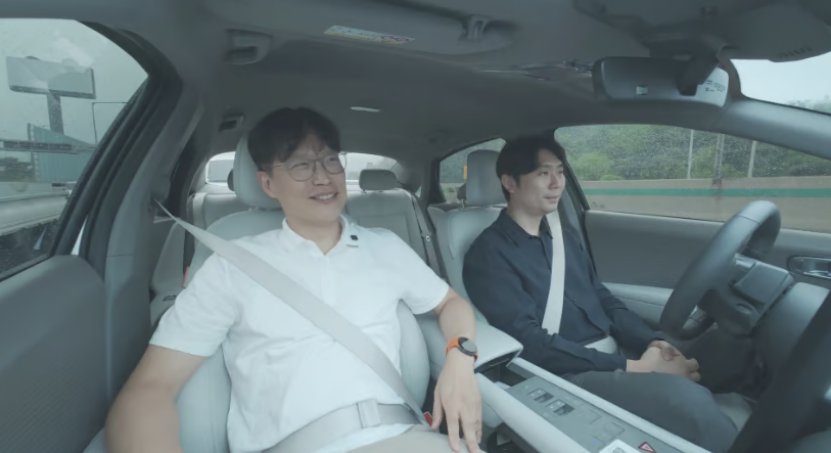
Hyundai Motor Group has delayed the launch of models equipped with its self-developed driving assistance software to the end of 2029, two years later than originally planned. During the transition period, Hyundai will partner with Nvidia to launch Level 2+ and Level 2++ advanced driver assistance systems in 2028, and use the data they generate to train its self-developed platform Atria. Hyundai and Kia have annual sales of more than 7 million vehicles and plan to surpass competitors in total driving data by 2033. The partnership also extends to AI data centers and Boston Dynamics' humanoid robot business.

49332 days ago
Automakers Pilot Humanoid Robots: Validation Matters More Than Replacing Labor

Automakers Pilot Humanoid Robots: Validation Matters More Than Replacing Labor

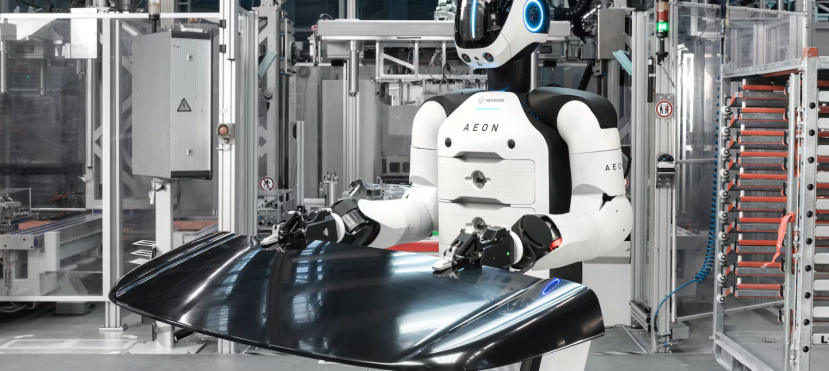
Morgan Stanley estimates that the humanoid robot market could reach $5 trillion by 2050, and automakers including BMW, Renault, Mercedes-Benz, and Tesla have already been testing related equipment in factories. Tesla is shifting the space of its former Model S and Model X production lines at the Fremont factory to Optimus, Renault plans to deploy 350 units in 2027, and Mercedes-Benz aims to use them on assembly lines by 2030. Currently, humanoid robots cost about $20,000 to $200,000, but constrained by battery life of only a few hours, insufficient hand dexterity, reliability yet to be proven, and the level of factory digitalization, trials at this stage are mainly for technical validation, and there is still a long way to go before large-scale replacement of human labor.

58833 days ago