In 2026, China overtook Japan to become the world's largest automobile exporter. In Q1 2026, NEV export growth reached 4 times that of traditional ICE vehicles. Meanwhile, Toyota derives 86% of global sales from outside Japan, but Middle East conflicts caused a 16.8% regional sales decline. The global auto landscape is undergoing structural restructuring.
Historic Turning Point: China Claims Global Export Crown
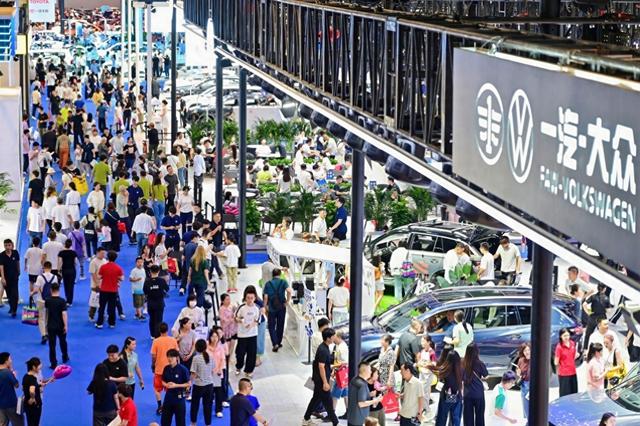
2023 marked a milestone in global automotive history. China's total vehicle exports surpassed Japan for the first time, officially claiming the title of world's largest automobile exporter. This was no accident—it was the concentrated outcome of over a decade of NEV industry chain accumulation.
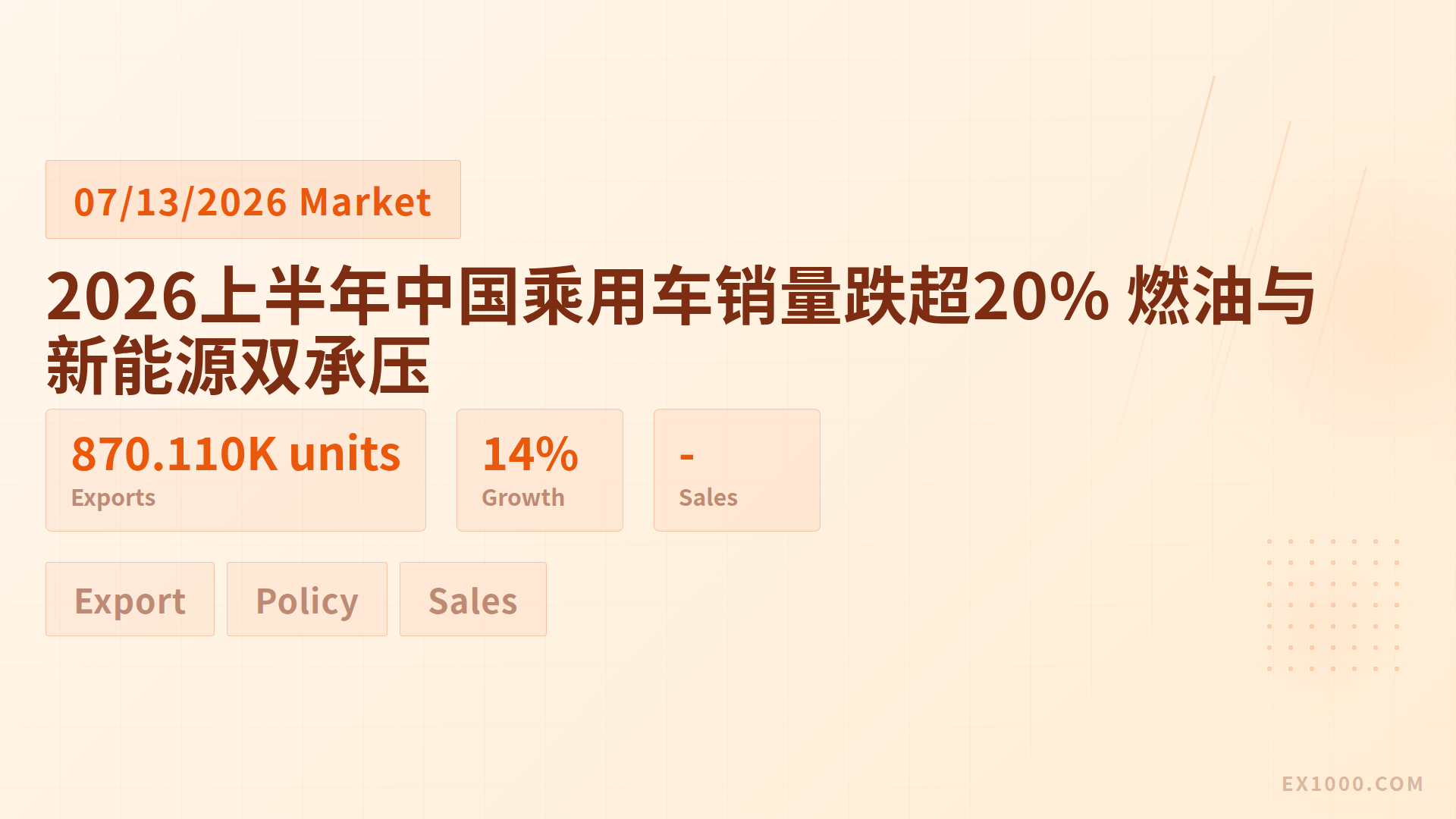
The growth momentum differential is striking. In Q1 2026, NEV export growth was 4 times that of traditional ICE vehicles. This means China's global expansion relies primarily on electrified and intelligent product portfolios, not price competition from conventional fuel vehicles.
Toyota's Overseas Dependence and Vulnerability
Toyota's globalization appears formidable. 86% of its global sales come from outside Japan—a ratio exceeding that of most European automakers.
However, high globalization means high exposure to regional risks. Ongoing conflicts in the Middle East directly caused a 16.8% year-over-year sales decline for Toyota in that region. ICE vehicles' sensitivity to geopolitics and oil price volatility is further amplified in the NEV era.
Toyota's challenges can be summarized in three points:
ICE technology faces tightening carbon emission regulations in major export markets
Hybrid product lines are seeing brand premium dilution in Central Asian and Russian markets
Conservative electrification transition pace creates structural gaps in the product matrix
NEVs Reshaping Global Competition Rules
China's NEV export advantage lies not only in products but in rule-making power transfer. Key changes in the competitive landscape include:
Charging infrastructure standards: Chinese OEMs are pushing Central Asian nations to adopt GB-compatible interfaces
Smart experience standards: Smart cockpit and assisted driving have become core buyer decision variables
Supply chain cost structure: Battery cost declines make EVs price-competitive in emerging markets for the first time
Dimension | Toyota (ICE-focused) | China NEV OEMs |
|---|---|---|
Global Export Growth (Q1 2026) | Flat | 4x ICE growth |
Middle East Sales Change | -16.8% | Positive growth |
Overseas Sales Share | 86% | Rapidly rising |
Electrified Product Ratio | <10% | >60% |
Direct Implications for Overseas Buyers
For potential car buyers in Central Asia, Russia, and similar markets, this structural shift fundamentally expands choice. Toyota once represented the default "reliable but expensive" option. Now, Chinese NEV products offer a "smart and affordable" alternative.
Among buyers sourcing through EX1000.COM, the proportion selecting Chinese NEV brands is rising rapidly. Toyota's after-sales network advantage remains, but the generational product gap is widening.