Triggered by the Iran war and disruptions in Strait of Hormuz shipping, international oil prices have surged to their highest levels in nearly four years. UK media reports indicate that persistently high fuel costs are accelerating European consumer demand for Chinese electric vehicles, with Chinese EVs now "selling out" across Europe. This trend bears striking resemblance to the oil crises of the 1970s-80s that propelled Japanese automakers to global prominence—except this time, the protagonists are Chinese EV manufacturers.
The Energy Shockwave: How High Oil Prices Are Reshaping the European Auto Market
The Iran war that erupted in early 2026 is reshaping the global automotive landscape. With shipping through the Strait of Hormuz severely disrupted, international oil prices have climbed to their highest levels in nearly four years. This energy shockwave mirrors the oil crises of the 1970s and 1980s—when soaring prices forced North American consumers to abandon gas-guzzling domestic vehicles in favor of compact, fuel-efficient Japanese cars from Toyota, Honda, and Nissan, launching the golden age of Japan's auto industry.
This time, the leading roles belong to Chinese EV manufacturers.
Decoding the "Sell-Out" Phenomenon in Europe
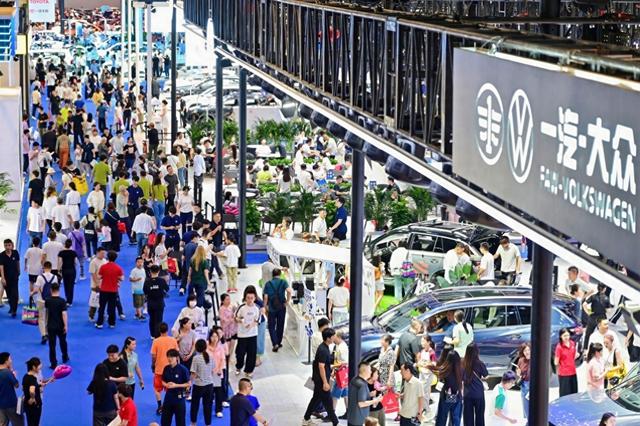
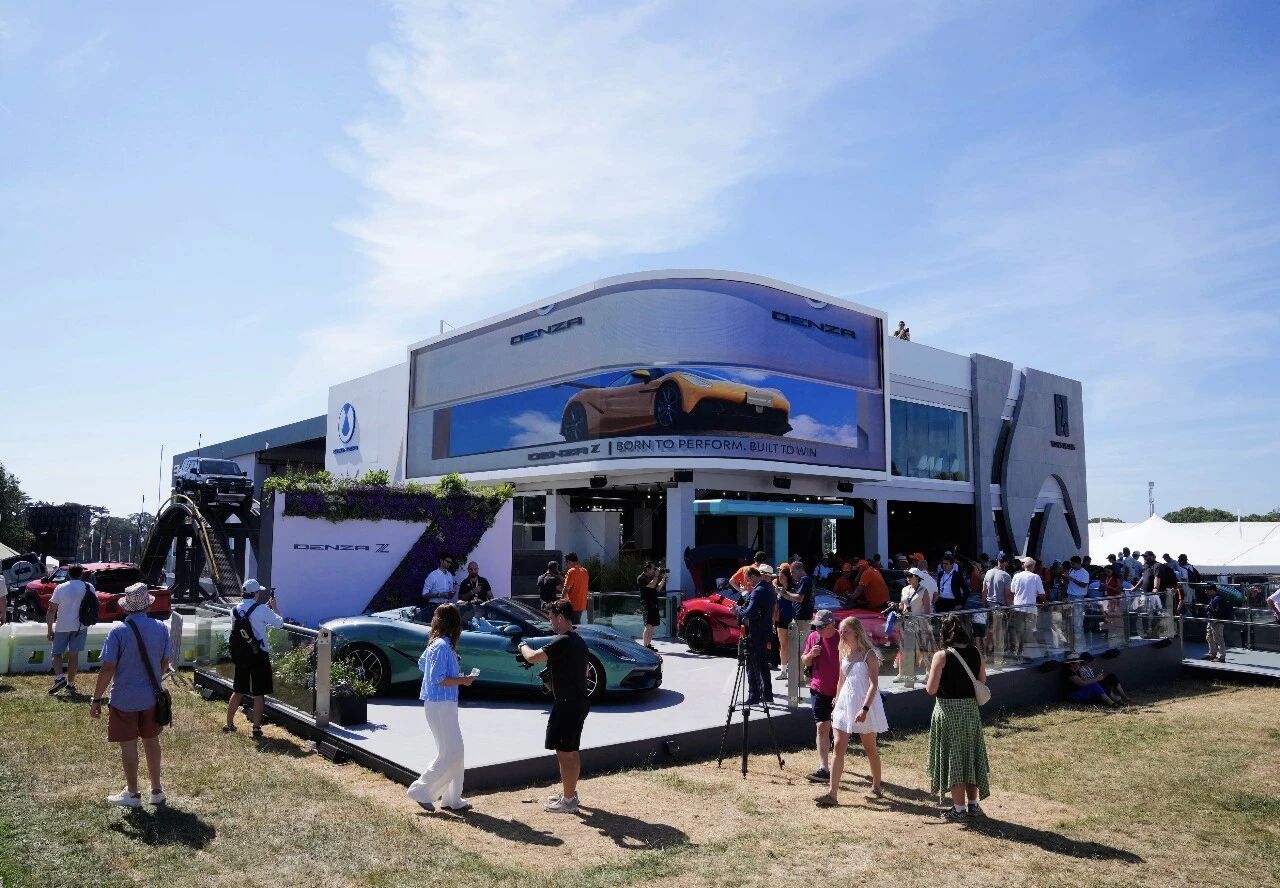
The latest UK media reports reveal that against a backdrop of persistently high oil prices, European consumer demand for Chinese electric vehicles is accelerating rapidly. From Europe to Australia, from Canada to Southeast Asia, Chinese brands like BYD, Chery, and Geely—particularly their NEV lineups—are riding the wave of demand triggered by rising fuel costs, accelerating onto the global market stage.
Chinese EVs' core advantages in the European market manifest across three dimensions:
- Cost Advantage: Extreme cost-performance enabled by full industrial chain integration
- Technology Leadership: Differentiating features in smart cockpits, assisted driving, and connected services
- Comprehensive Product Matrix: Full coverage from economy to premium segments
Chinese Automakers' Response Strategies
While the Iran war itself has cut off access to the Middle East—an important market for Chinese vehicles—Chinese automakers have swiftly pivoted toward Europe and other emerging markets, while simultaneously accelerating overseas localized production.
| Brand | European Strategy | 2026 Target |
|---|---|---|
| BYD | 2,000 sales outlets, Hungary factory | 600,000 units |
| Chery | Spanish EBRO brand, European R&D center | 380,000 units |
| Geely | Multi-brand matrix, Zeekr + Lynk & Co | 250,000 units |
BYD Chairman Wang Chuanfu previously stated, "BYD will seize the opportunity of Chinese brands going global in 2026, accelerate overseas capacity deployment, and build a world-class Chinese brand." BYD Executive Vice President Li Ke confirmed that "BYD plans to operate 2,000 sales outlets in Europe in 2026, doubling the 1,000 by end of 2025."
Implications for Central Asian and Russian Buyers
For potential car buyers in Central Asia and Russia, the shifts in the European market send a clear signal: the technological maturity and product competitiveness of Chinese EVs have earned recognition in developed markets. Vehicles sourced through platforms like EX1000.COM offer not only price advantages but also lead their peers in intelligent features and range capabilities.
Rising oil prices represent a global trend. Whether in Europe or Central Asia, energy-efficient EVs will become the mainstream consumer choice of the future.