MIIT announced it will persistently use legal means to regulate NEV power battery recycling and utilization, establishing a full-lifecycle traceability system. The new regulatory framework requires OEMs to bear primary recycling responsibility, third-party recyclers must obtain qualification certification, and non-compliant disposal will face severe penalties.
Policy Highlights: Core Framework of Legalized Regulation
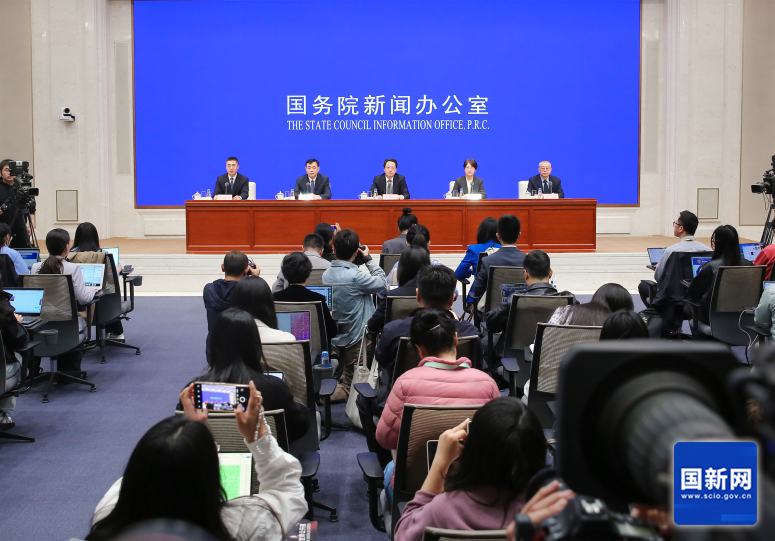
At a June 2, 2026 press conference, MIIT explicitly stated it will persistently use legal means to regulate NEV power battery recycling. This means power battery recycling will officially enter the mandatory regulation phase from industry self-discipline.
Core policy points:
- Extended Producer Responsibility: OEMs responsible for full battery lifecycle
- Recycling network requirements: NEV OEMs must establish recycling networks covering sales regions
- Third-party qualification: Recycling enterprises must pass MIIT qualification review
- Information traceability: Battery "ID card" system from production to recycling
- Upgraded penalties: Non-compliant enterprises face maximum fines of 5 million yuan and license revocation
Industry Chain Impact Analysis
Impact on OEMs:
- Operating costs increase: 2,000-3,000 yuan recycling fund reserved per NEV
- Product design adjustments: Must consider modular disassembly and standardized interfaces
- Competitive advantage restructuring: OEMs with self-built recycling capabilities gain cost advantages
Impact on recycling enterprises:
- Industry consolidation: Expected 30-40% of small recyclers will be eliminated
- Technology threshold rises: Wet recycling and cascade utilization technology requirements increase
- Scale advantages emerge: Leading enterprises' market share further concentrates
Impact on exporters:
| Impact Dimension | Specific Change | Response Strategy |
|---|---|---|
| Export Cost | Recycling fund included in cost | Negotiate recycling responsibility sharing with importers early |
| Product Certification | New recycling compliance certificate required | Apply for internationally recognized recycling qualifications |
| After-sales Service | Need to establish overseas recycling channels | Partner with local dealers to build recycling networks |
| Brand Reputation | Environmental compliance becomes competitive factor | Proactively disclose battery recycling plans |
Special Significance for Central Asian Buyers
Improved power battery recycling regulations represent long-term benefits for Central Asian and Russian buyers:
- Reduced environmental risk: Standardized recycling means safe disposal channels after battery end-of-life
- Enhanced residual value: Comprehensive recycling system improves battery asset value, indirectly reducing vehicle operating costs
- Technology transparency: Traceability system allows buyers to query battery health status and repair history
For Central Asian buyers monitoring Chinese NEV exports, choosing brands with robust recycling systems (BYD, CATL, NIO, etc.) means longer-term asset security. Buyers tracking Chinese OEM recycling compliance dynamics through EX1000.COM should incorporate this as an important brand screening dimension.
Outlook and Trends
China's legalized power battery recycling process provides a regulatory template for the global NEV industry. By end of 2027, China is expected to form a recycling network covering over 5 million NEVs, with annual recycling capacity reaching 1 million tons. This system's construction experience will gradually export to Central Asian, Russian and other markets alongside Chinese OEMs' global expansion.