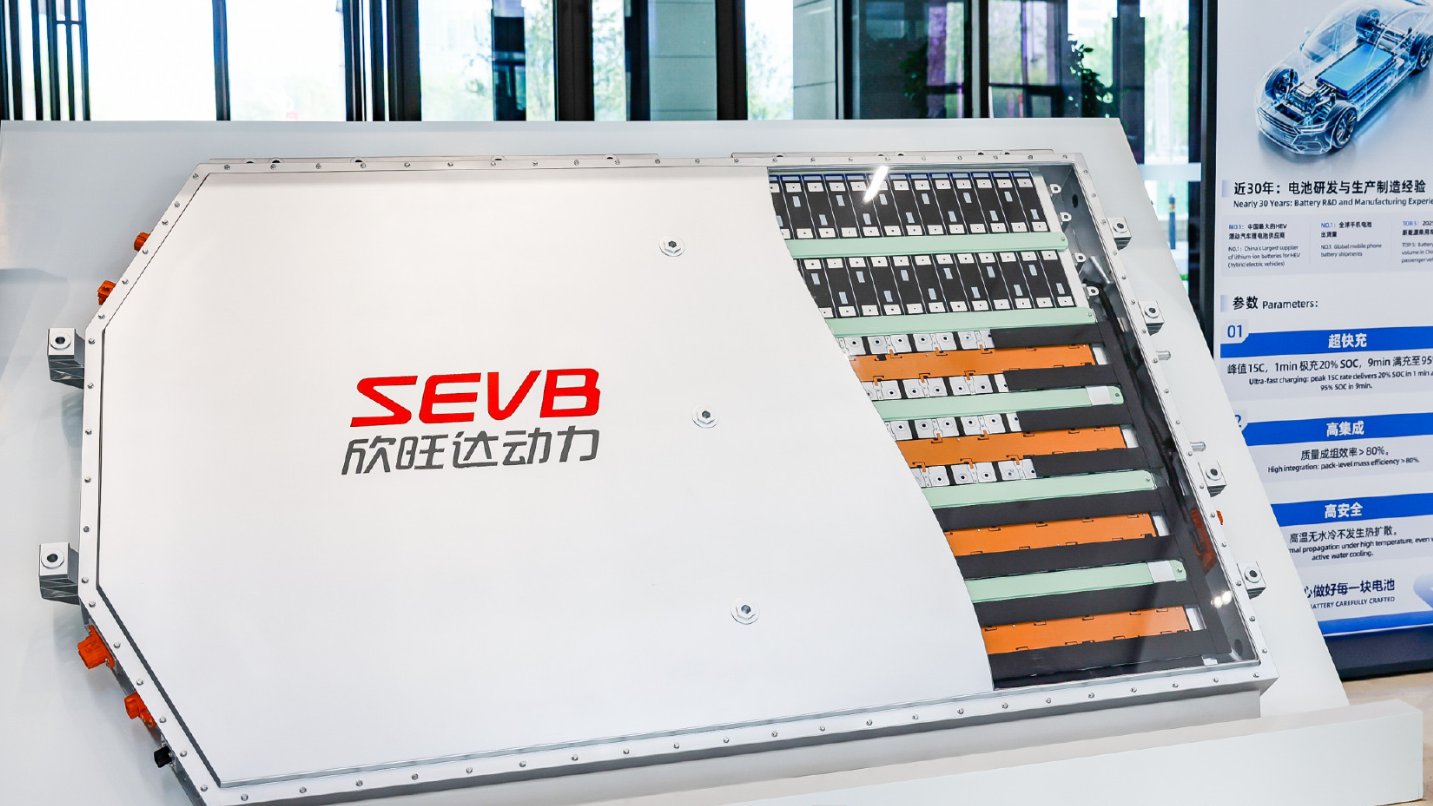
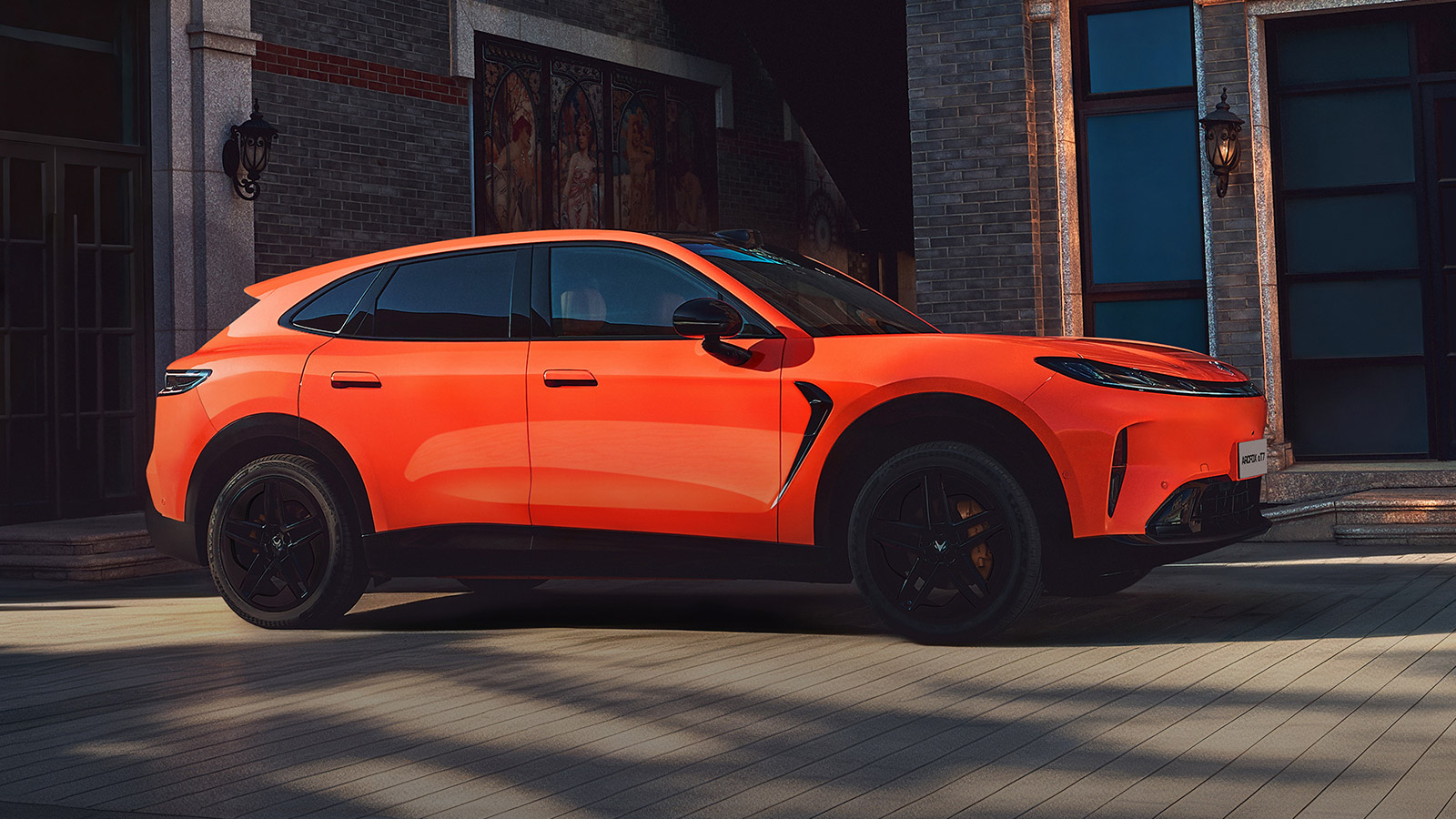
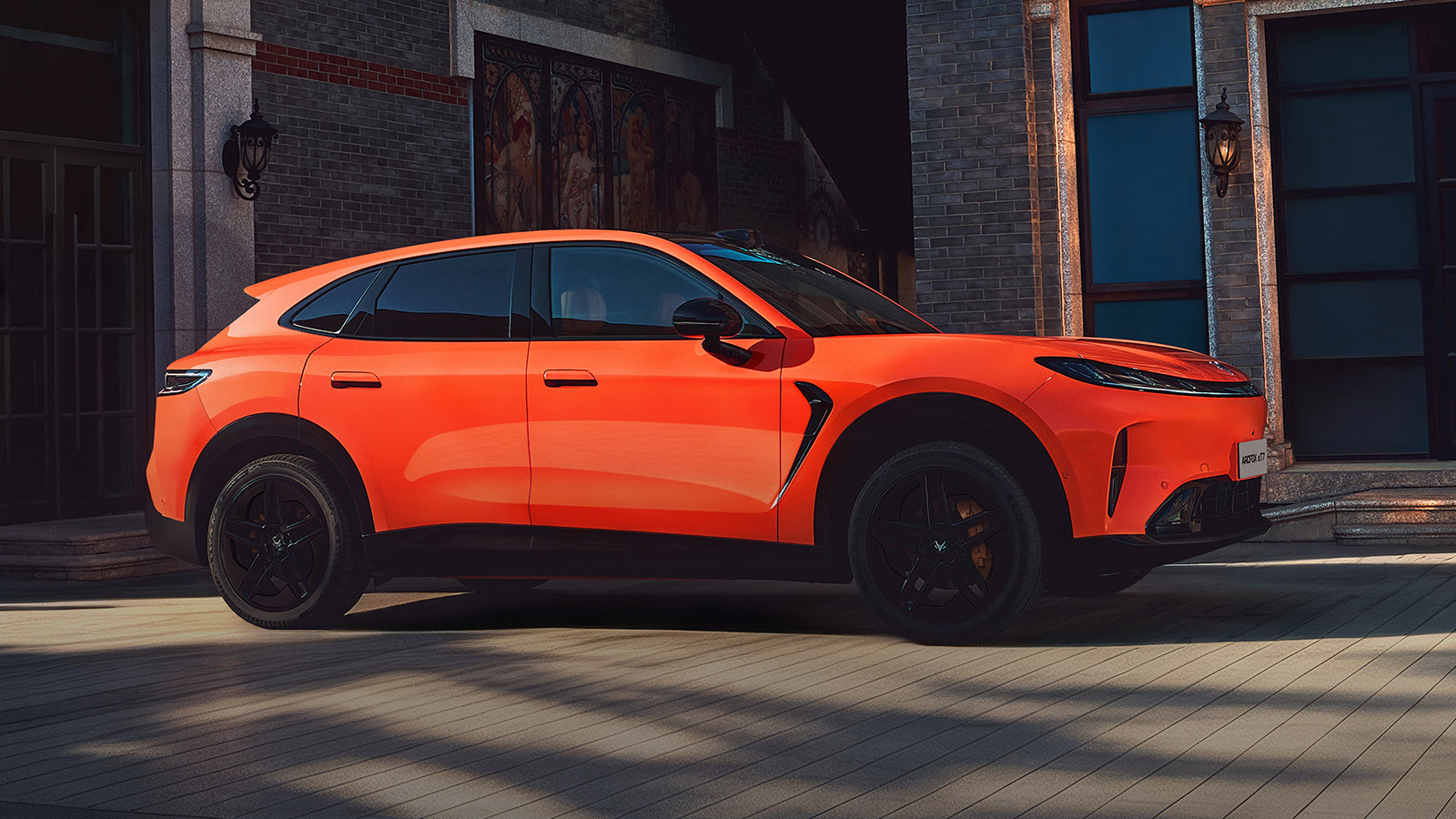
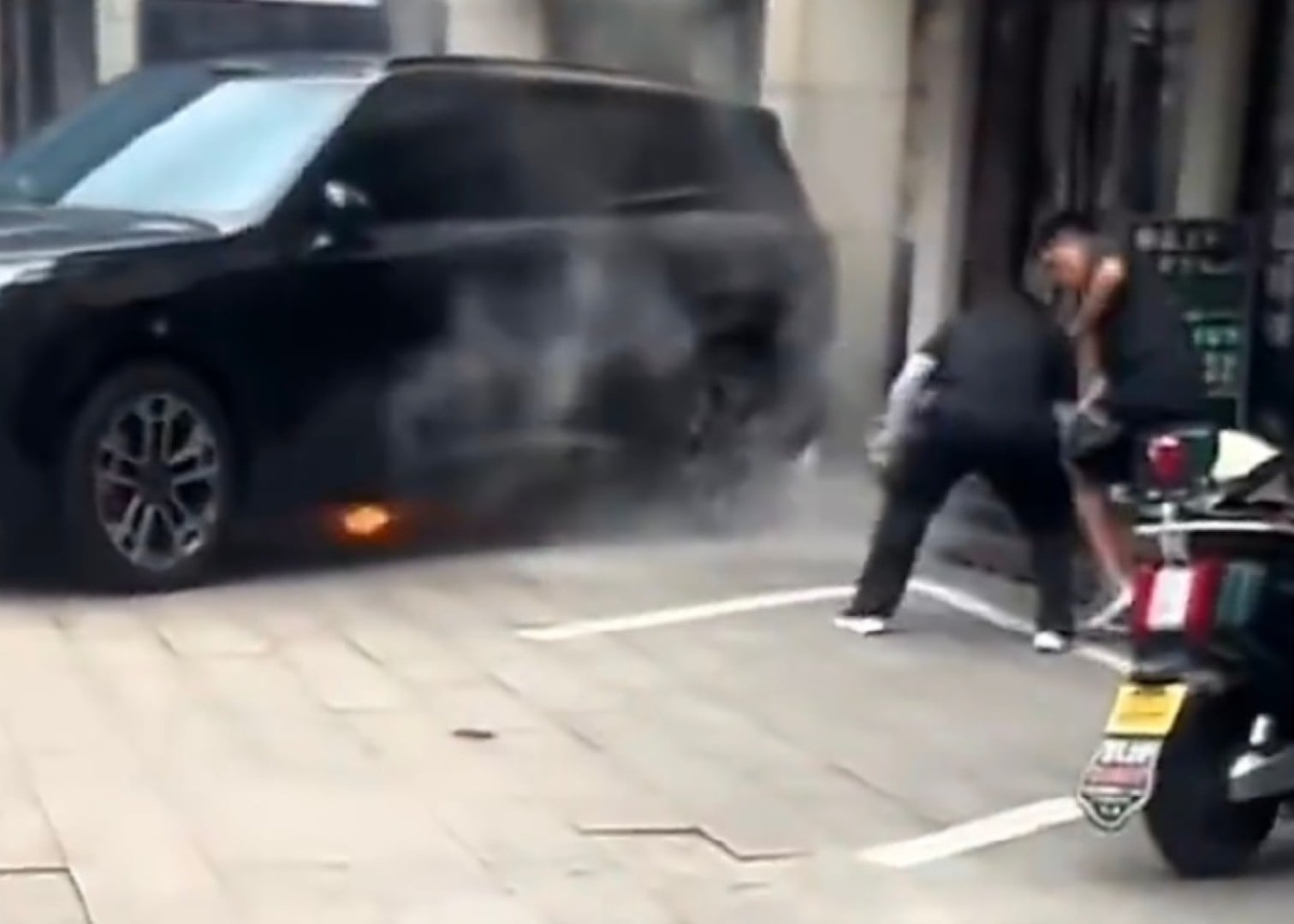
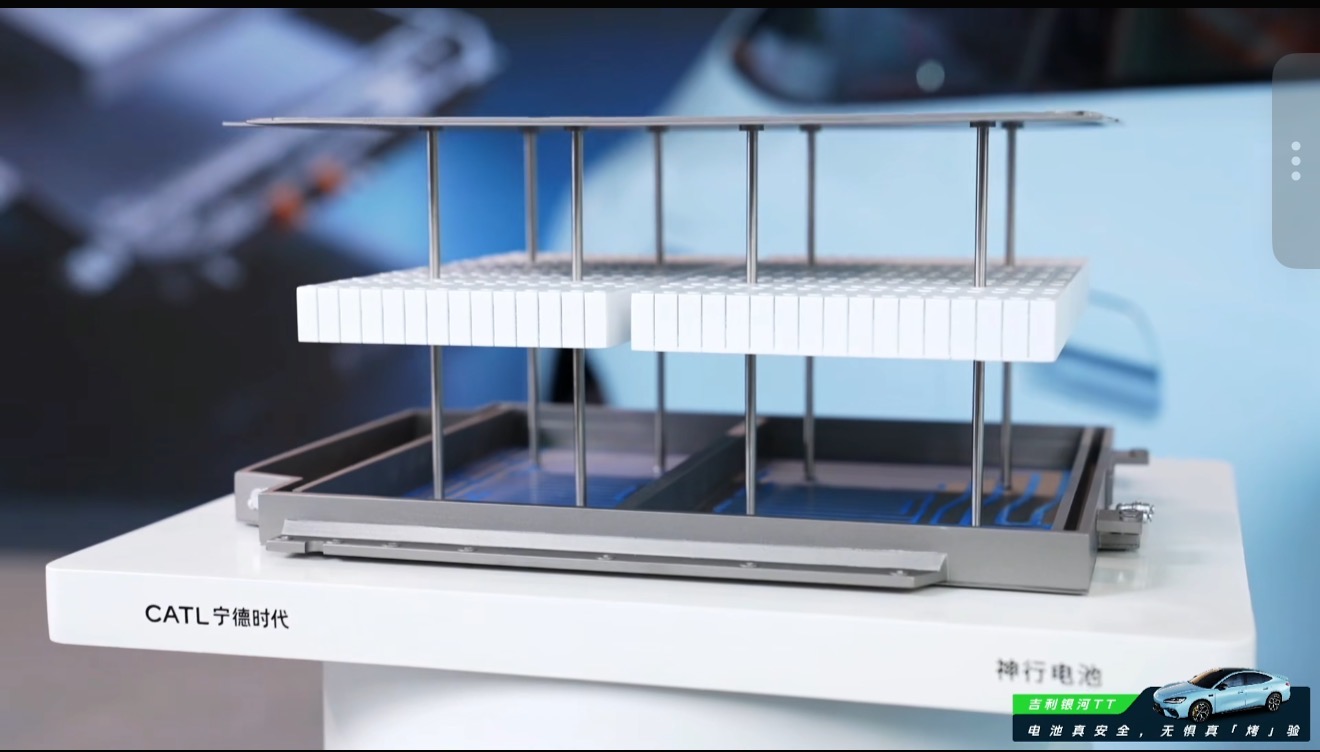
CNAE's 138Ah LFP cell for Hongqi Tiangong 08 withstood 145°C continuous heat exposure for 30 minutes without thermal runaway, with nail penetration, extreme short circuit, and 3D compression all passing safely. Multiple indicators far exceed the new GB standard requirements.
State-Owned Enterprise Conviction: Safety Is Never Just a Business Choice
July 1 marked a milestone for China's NEV industry — the mandatory national standards GB 38031-2025 (Power Battery Safety) and GB 18384-2025 (Electric Vehicle Safety) took effect simultaneously. Hailed as the "strictest battery safety regulations in history," these standards elevated battery safety from "recommended" to "mandatory," requiring that no fire or explosion occur after single-cell thermal runaway.
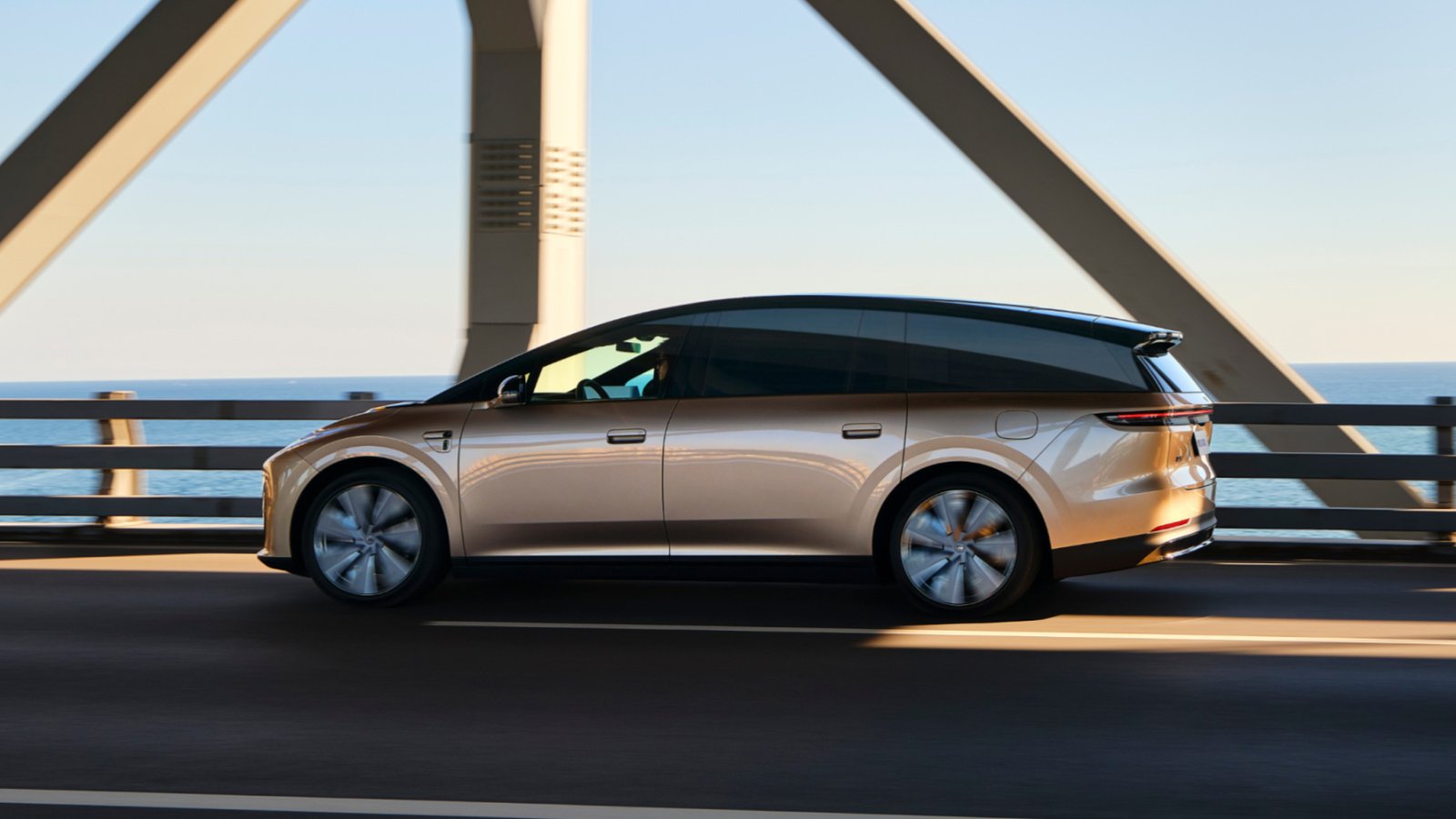
On the very same day, Hongqi officially opened pre-sales for the all-new Tiangong 08, making its debut as the "first vehicle to meet the new battery national standard." Its core confidence stems from the 138Ah LFP cell supplied by China Auto New Energy (CNAE).
As the only power and energy storage battery platform controlled by a Chinese state-owned enterprise, CNAE operates with a fundamentally different logic than most commercial competitors. While rivals focus launch events on range, acceleration, and smart cockpits, CNAE chooses not to compete on price but on safety. This conviction stems from a deeper value judgment — safety is not merely a commercial proposition but a political responsibility and social commitment that SOEs must uphold.
Cell-Level Safety: 145°C for 30 Minutes, Zero Thermal Runaway
The 138Ah LFP cell tailored for Tiangong 08 delivered stunning results across four extreme safety tests:
| Test Item | CNAE Performance | New GB Requirement | Margin |
|---|---|---|---|
| Heat Exposure | 145°C for 30 min without thermal runaway | No fire/explosion after runaway | Far exceeds |
| Nail Penetration | Direct penetration, no fire or explosion | Pass nail test | Meets |
| Extreme Short Circuit | 1mΩ short circuit safe | Short-circuit protection | Meets |
| 3D Compression | 35% deformation, structure stable | Compression test pass | Exceeds |
And this is just the beginning. The Hongqi Tiangong Xuanjia battery system equipped with this cell also delivered crushing performance in vehicle-level safety verification:
- Bottom impact resistance of 350J, reaching 2.3x the national standard
- 310 hours of operation at 1-meter water depth, 620x the GB IPX7 requirement
- 24-hour vehicle saltwater immersion, 12x the national standard
- 150-second direct fire exposure on the battery pack with no thermal propagation
- Full-spectrum electromagnetic protection at 4.6x the national standard
A CNAE executive once stated: "We don't design products merely to pass tests; we test designs under the most extreme conditions to verify real reliability." This "transparent validation" mindset represents the essential difference between SOEs and commercial enterprises in their approach to safety.
Performance and Cold-Weather: A Three-in-One Compromise-Free Approach
Robust safety is only the starting point. Through three fundamental technical breakthroughs, CNAE's cell for Tiangong 08 achieves a trinity of "safety + performance + cold-weather capability":
Core Technical Architecture:
- Cathode particle composite grading: Optimizes active material distribution, boosting energy density to 180Wh/kg
- 3D conductive network: Builds efficient electron transport channels, supporting 5C peak high-voltage fast charging
- Low-viscosity high-conductivity electrolyte: Improves low-temperature ion conduction for stable output across all temperature zones
Key Performance Parameters:
| Dimension | Specification | Market Significance |
|---|---|---|
| Energy Density | 180Wh/kg | Stable full-charge range without degradation |
| Fast Charging | 5C peak, 800 li in 12 minutes | Compatible with 800V high-voltage platform |
| Warranty | 10 years / 240,000 km | Long-term ownership peace of mind |
| Extreme Cold Discharge | 80% rated energy at -30°C | Worry-free winter driving in northern regions |
| Low-Temp Charging | 70% charge in 30 min at -10°C | Rapid recovery in severe cold |
Leveraging the SOE's full-stack self-developed system and intelligent manufacturing quality control, this cell achieved mass production after completing over 10,000 extreme validation tests. From daily commuting to long-distance travel, from frigid north to humid coastlines, it delivers stable output across all scenarios and temperature zones.
Energy Storage Safety: 1,300°C for 8 Hours Redefines the Boundary
If power battery safety is "beyond the threshold," CNAE's energy storage safety test can be described as "redefining the boundary."
One month ago, CNAE conducted a large-scale fire test aligned with three major international standards — UL9540A 6th Edition, NFPA855-2026, and CSAC800-2025: multiple fully charged 5MWh energy storage containers were arranged at a 10cm limit spacing, all active fire suppression systems were disabled, and one container was artificially ignited in a high-oxygen re-ignition environment.
The test conditions were nothing short of "inferno-level":
- Flame temperature peaked at 1,300°C — equivalent to blast furnace steelmaking conditions
- The fire burned continuously for eight full hours with zero external intervention
- CSA-certified engineers and North American registered fire engineers monitored on-site throughout
After eight hours, the results were clear:
| Test Indicator | Result |
|---|---|
| Explosions | Zero — no explosions inside containers |
| Fire Spread | Zero spread — thermal runaway did not cross container boundaries |
| Structural Integrity | Zero collapse — container enclosure intact, no deformation |
| Secondary Disasters | No chain ignition — cascading disasters completely prevented |
This test earned on-site certification from international authority CSA, and at the European Smart Energy Expo in Munich, CNAE was formally awarded the "Large-Scale Fire Test Certification." Leveraging its extreme safety and product strength, CNAE also signed a 2GWh energy storage product supply agreement with a leading European energy company, officially knocking on the door of Europe's premium energy storage market.
Industry Implications: A New Starting Point for Safety Competition
The implementation of new power battery national standards is not an endpoint but a new starting point for industry safety competition. When "no fire, no explosion" shifts from a voluntary requirement of a few companies to a mandatory baseline for the entire industry, what is truly tested is not marketing slogans but the real safety capability of products.
The Hongqi Tiangong 08's limited-time price drops to RMB 179,800 (official pre-sale price RMB 199,800), directly pulling the entry threshold for same-class mid-large pure-electric SUVs below RMB 200,000. While being highly price-competitive, it sets a new benchmark with crushing safety standards — precisely validating CNAE's long-termism: safety investment is not a cost but the most core product capability foundation.
It is foreseeable that more companies will explore higher safety standards above the new national standard baseline. CNAE, however, is already standing at a much farther starting line.