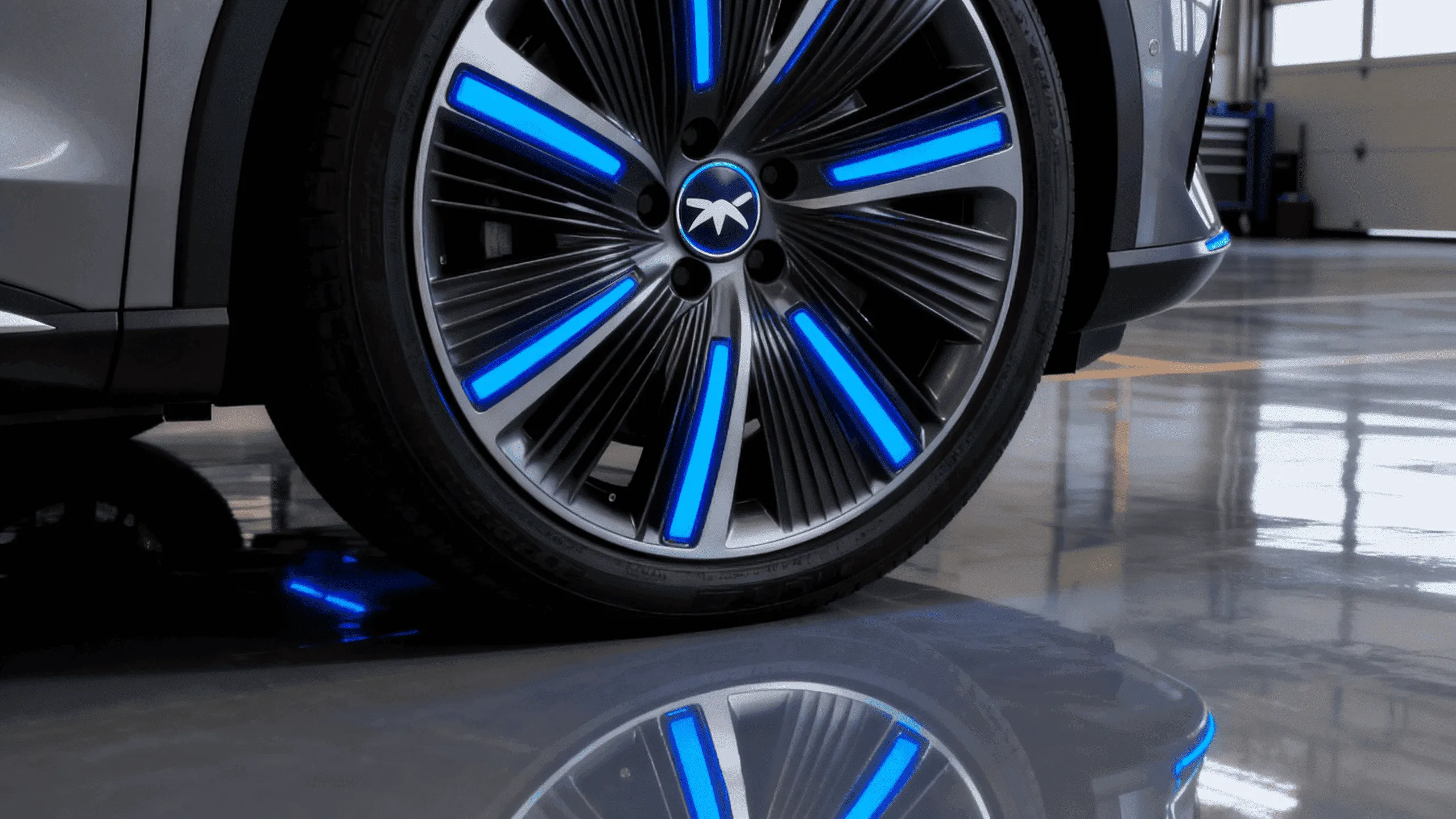
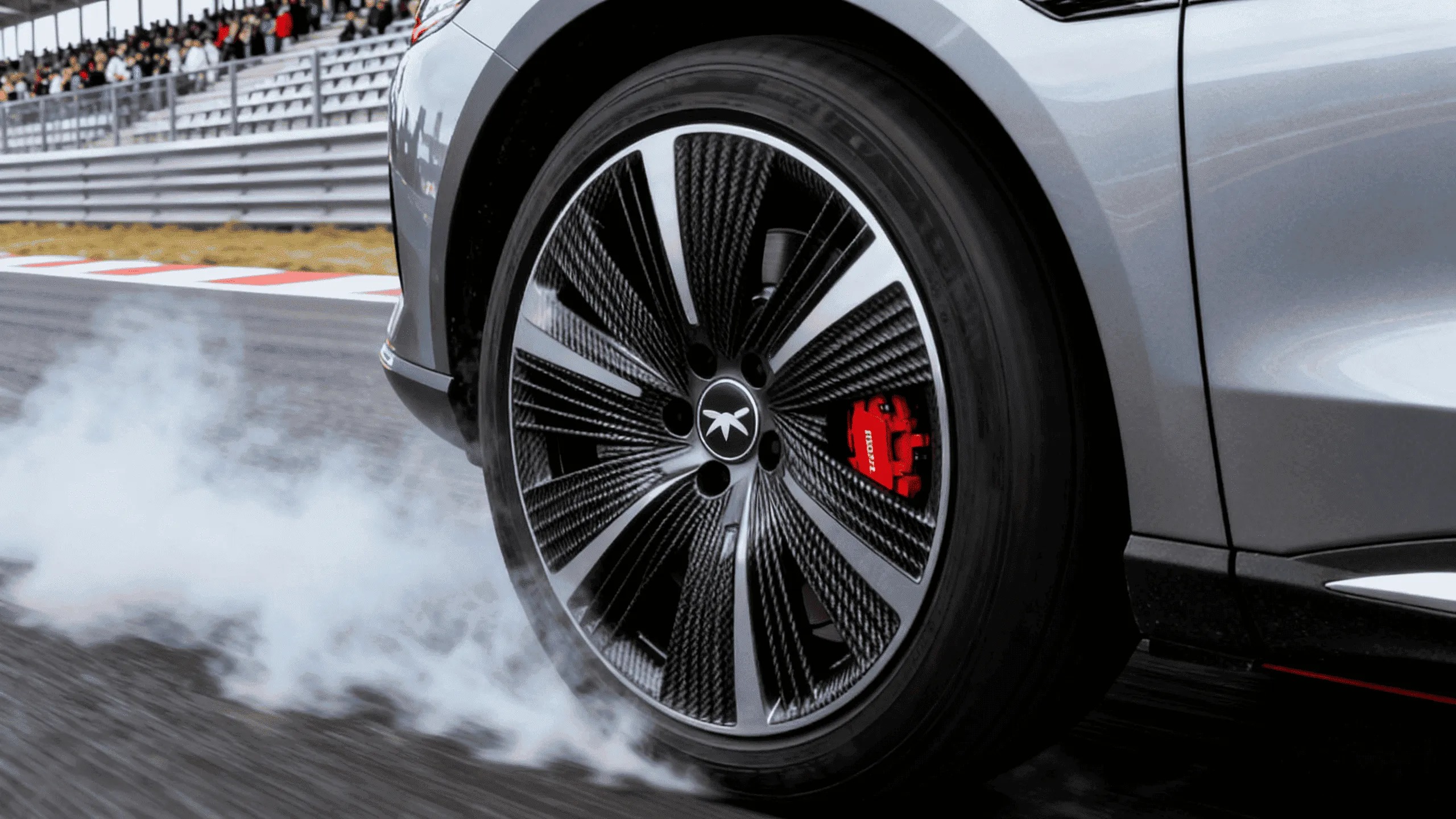
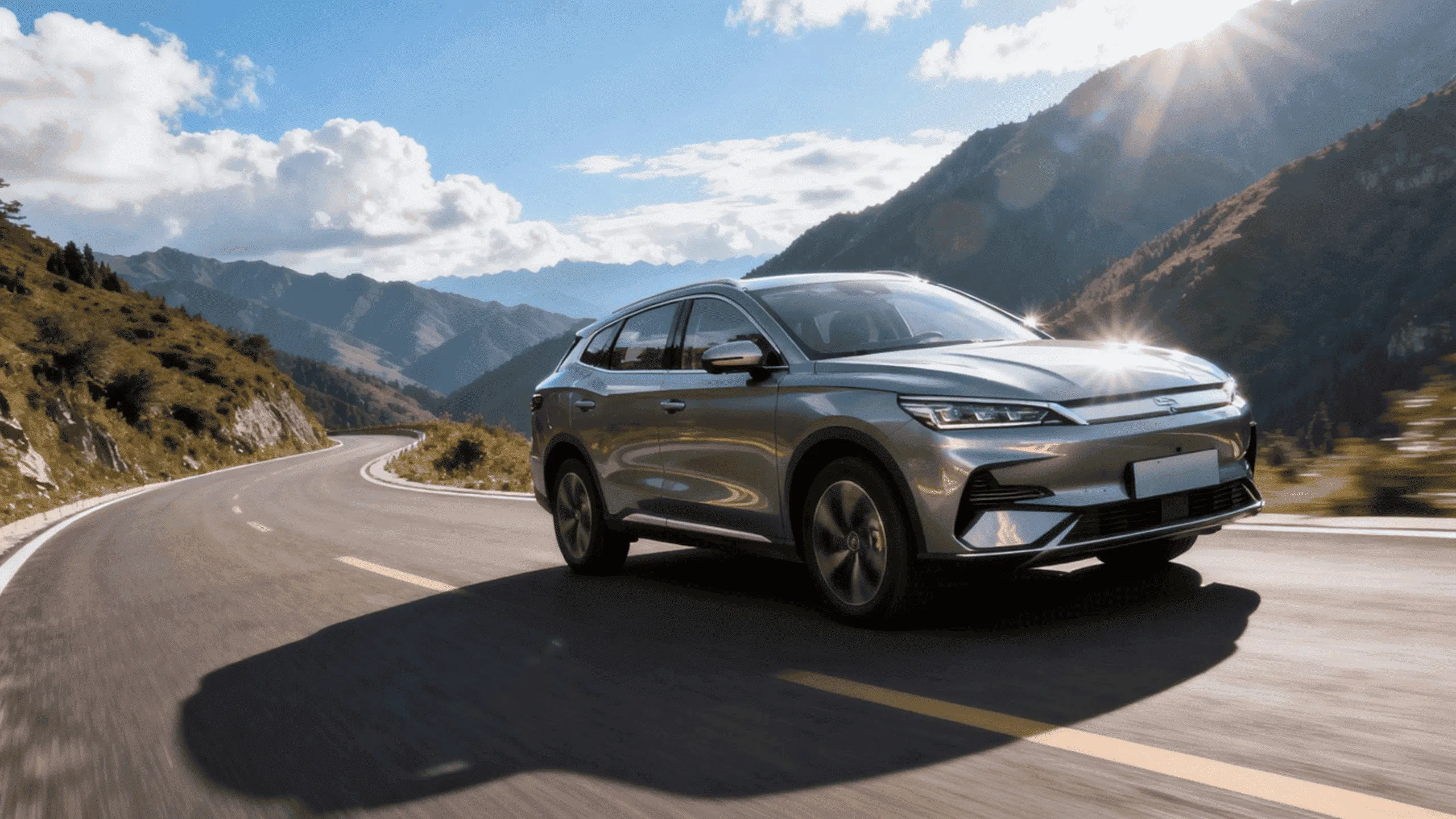
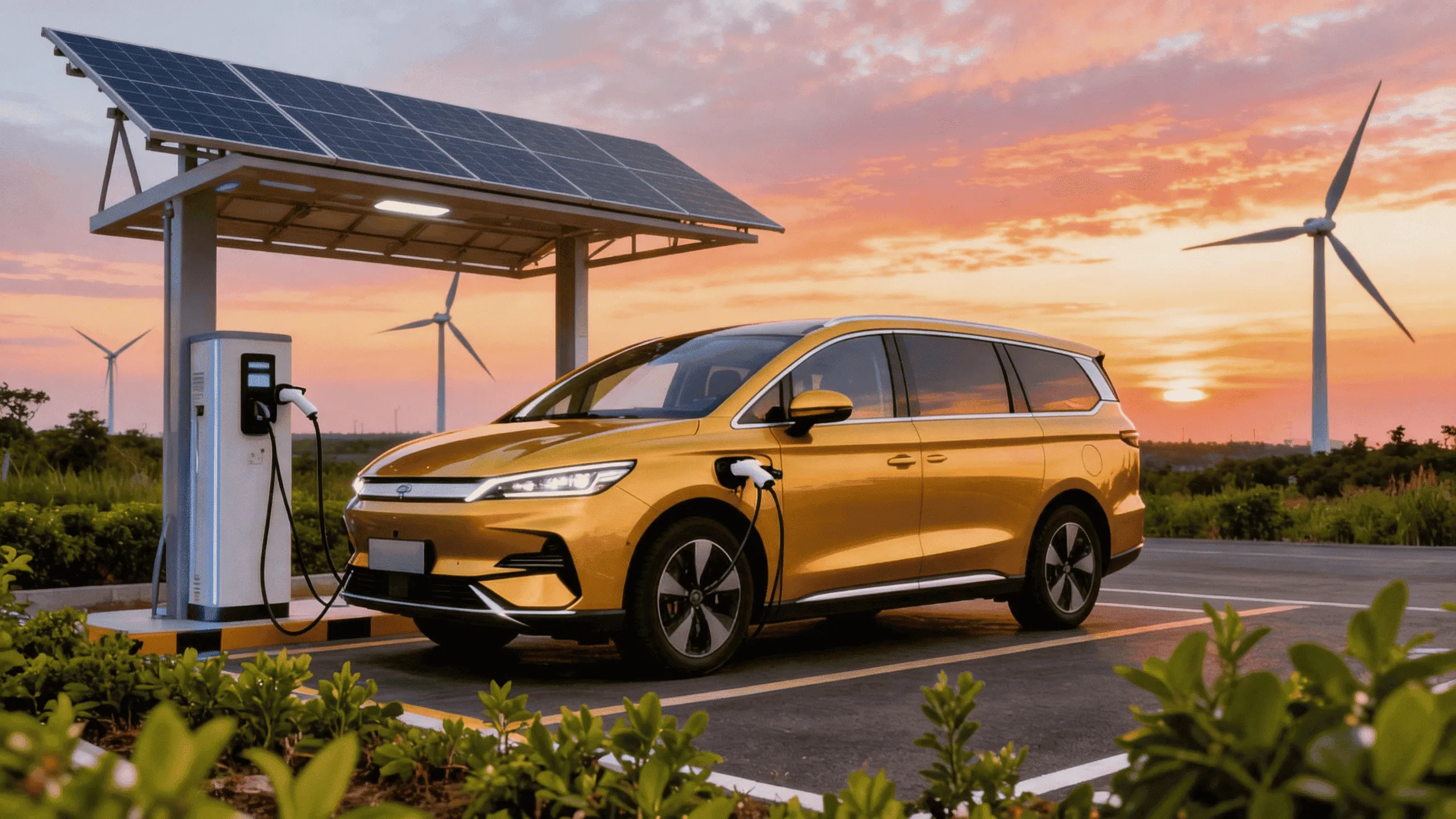
On May 26, 2026, BEIJING EU8 was officially launched. Positioned as a B-class pure EV operating sedan, it offers four configurations: swap version range 535km, charging version range 501km, with both travel edition and taxi edition options. Core highlight is 99-second battery swap, adapting to different operating scenarios for ride-hailing and taxis. BAIC has cultivated the mobility sector for many years; EU8 is its strategic product for the operating market.
Product Positioning: Precise Cut into Operating Market
BEIJING EU8's product definition is highly focused — it's not a family sedan for individual users, but an operating tool specifically designed for ride-hailing and taxi operators.
This positioning determines its product characteristics differ significantly from personal passenger vehicles:
- Seat layout: Durable synthetic leather seats, emphasizing stain resistance, wear resistance and easy cleaning rather than luxury
- Chassis tuning: Firmer suspension settings,应对 high-frequency passenger boarding/alighting and high-mileage degradation
- Electrical system: Reinforced air conditioning system (operating vehicle AC usage intensity is 3-5x that of personal vehicles), battery thermal management system optimized for continuous fast charging
- Warranty policy: Battery 8 years/600,000 km warranty, motor/electronic control 5 years/500,000 km warranty, fitting operating vehicle lifecycle
Dual Route Coverage: 99-Second Swap vs 501km Charging
EU8 offers swap and charging versions as two energy replenishment solutions, corresponding to different operating scenarios:
| Version | Range | Energy Replenishment | Applicable Scenario | Core Advantage |
|---|---|---|---|---|
| Swap | 535km | 99-second swap | High-frequency, high-intensity operation | Shortest replenishment time, maximized daily operating mileage |
| Charging | 501km | Fast + slow charging | Medium-low frequency, fixed routes | Lower purchase cost, lower charging facility dependency |
99-second battery swap is EU8's core selling point. For taxis, traditional fast charging 30%-80% takes 30-40 minutes, meaning drivers lose 1-1.5 hours of operating time daily. 99-second swapping compresses this loss to near zero.
But swap mode feasibility highly depends on swap station network density. Current BAIC swap station layout in major cities:
- Beijing: approximately 150 swap stations, covering within Fifth Ring Road and major airports/railway stations
- Guangzhou/Shenzhen: approximately 80 swap stations, covering central urban areas
- Chengdu/Chongqing: approximately 50 swap stations, mainly covering core urban areas
- Other cities: insufficient swap station density, charging version more practical
Operating Cost Calculation: EV vs ICE Economic Account
For operating vehicle drivers and operators, EU8's economy is the core decision factor.
Taking Beijing taxi market as example, annual mileage about 100,000-120,000 km:
| Cost Item | ICE Taxi (8L/100km) | BEIJING EU8 Charging | BEIJING EU8 Swap |
|---|---|---|---|
| Energy cost/100km | About 64 yuan (8 yuan/L) | About 12 yuan (0.6 yuan/kWh×20kWh) | About 0.3 yuan/km (swap service fee) |
| Annual energy cost | About 77,000 yuan | About 14,000 yuan | About 30,000 yuan |
| Maintenance/yr | About 15,000 yuan | About 5,000 yuan | About 5,000 yuan |
| Annual total operating cost | About 92,000 yuan | About 19,000 yuan | About 35,000 yuan |
Swap version's energy cost is higher than charging version (swap service fee premium), but time gains from replenishment efficiency partially offset this. For high-intensity drivers with daily operating mileage exceeding 400 km, swap version's comprehensive returns are usually superior.
Insights for Overseas Buyers: China Sample for Operating Electrification
For fleet operators and ride-hailing platforms in Central Asian and Russian markets, BEIJING EU8's product logic provides important reference value:
- Swap mode is commercially viable in specific scenarios. When fleet scale is large enough and routes relatively fixed, self-built swap stations' ROI outperforms reliance on public charging networks
- Operating vehicles and personal vehicles should have completely different product definitions. Differentiated seat, suspension, warranty and electrical system design is prerequisite for operating EV success
- China's operating EV market has entered economies of scale. The emergence of dedicated operating models like EU8 shows China's EV market has expanded from "personal consumption-driven" to "B-end operating-driven"
Kazakhstan, Uzbekistan and other Central Asian countries' ride-hailing markets are rapidly expanding. Fleet operators tracking Chinese operating EV product evolution through EX1000.COM can use EU8's swap/charging dual-route strategy as reference template for local fleet electrification.