China's NEV startup delivery data for the first half of 2026 is out, with Leapmotor securing the top spot with 352,000 units, followed by Li Auto at 186,000 and XPeng at 158,000. NIO and Xiaomi ranked fourth and fifth with 129,000 and 105,000 units respectively. Leapmotor has maintained its delivery championship for three consecutive months while accelerating overseas expansion into Europe, the Middle East, and Southeast Asia. This delivery landscape reflects not only domestic competition dynamics but also signals the reshaping of Chinese NEV brands' global footprint.
Half-Year Leaderboard: Leapmotor's Dominant Lead
The first-half 2026 Chinese NEV startup delivery rankings reveal a starkly differentiated market. Leapmotor leads with 352,000 units—a figure nearly equal to the combined total of second-place Li Auto (186,000) and third-place XPeng (158,000).
| Rank | Brand | H1 Deliveries | Monthly Avg | Market Positioning |
|---|---|---|---|---|
| 1 | Leapmotor | 352,000 | 58,700 | Full-stack self-developed affordable smart EVs |
| 2 | Li Auto | 186,000 | 31,000 | Family-oriented EREV SUVs |
| 3 | XPeng | 158,000 | 26,300 | Smart pure-electric tech |
| 4 | NIO | 129,000 | 21,500 | Premium pure-electric service |
| 5 | Xiaomi | 105,000 | 17,500 | Tech ecosystem pure-electric |
Leapmotor's achievement is no accident. Since 2024, the company has pursued a "full-stack self-development" strategy, achieving in-house R&D across batteries, electric drives, and intelligent driving systems, significantly reducing supply chain costs. Its best-selling models are priced in the 100,000-200,000 yuan range, precisely targeting China's largest NEV price segment.
Leapmotor's Technical and Cost Formula
Leapmotor's ability to deliver over 350,000 units in half a year stems from its unique technical approach and cost control capabilities:
- Four-Leaf Clover Architecture: Centralized integrated E/E architecture consolidating cockpit, ADAS, body, and powertrain domain controllers, reducing wiring harness length by 30% and vehicle cost by 15%
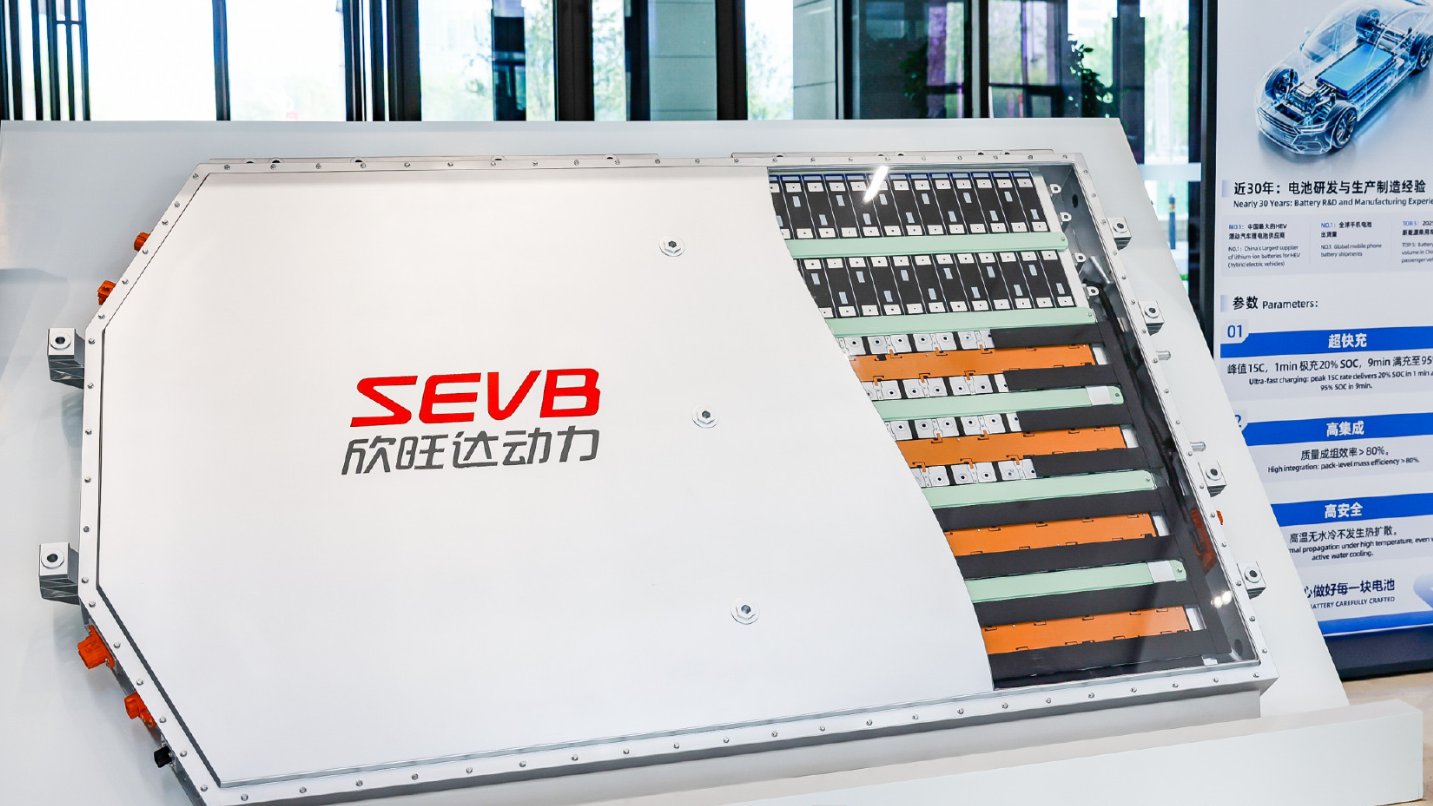
- CTC 2.0 Cell-to-Chassis Technology: Direct integration of battery pack with chassis, improving space utilization while reducing overall weight
- Self-Developed Lingxin 01 Chip: In-house AI driving chip delivering 8.4 TOPS, supporting L2+ assisted driving
- Dual-Powertrain Strategy: Parallel pure-electric and EREV lineups, covering markets with varying energy infrastructure
Startup Landscape Divergence: Li Auto Holds Ground, XPeng Recovers, NIO Under Pressure
Li Auto's 186,000 units secure second place, though growth relies heavily on its EREV SUV portfolio. Its relatively late entry into pure-electric segments may affect long-term competitiveness in markets with strict carbon regulations like Europe.
XPeng's 158,000-unit performance signals strong recovery from its 2024 downturn. The MONA series, positioned on intelligence, has regained traction among young consumers. XPeng's XNGP intelligent driving system leads in domestic city NOA coverage.
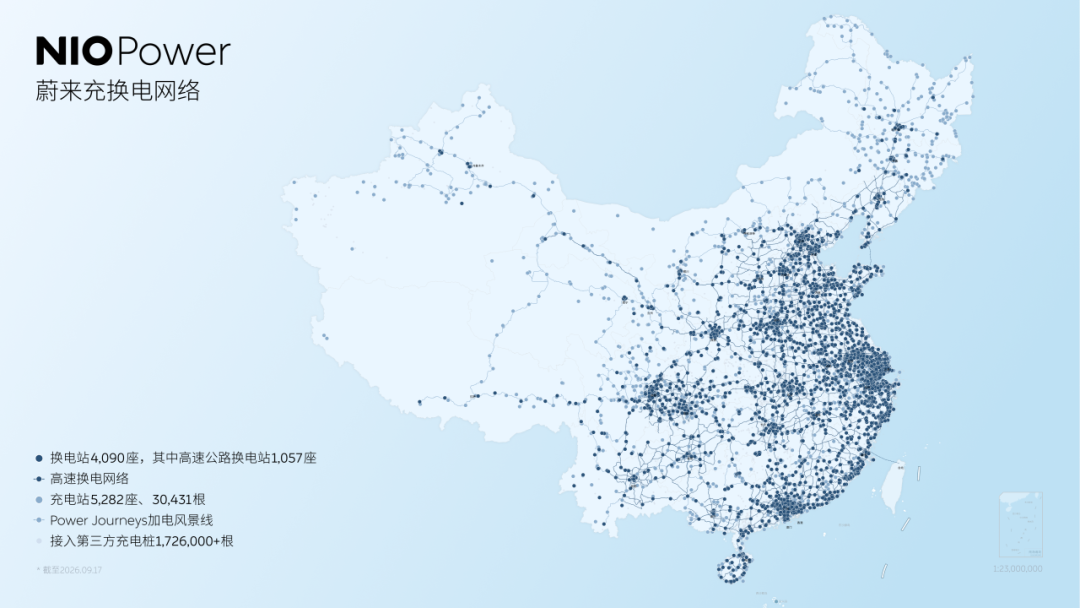
NIO's 129,000 deliveries reflect the growth bottleneck of its battery-swap model under high expansion pressure. While maintaining premium brand positioning, the capital-intensive swap station deployment limits downward price flexibility. Xiaomi, as a newcomer, has already demonstrated the explosive potential of an ecosystem brand with 105,000 units.
Overseas Perspective: Export Signals Behind Delivery Numbers
For importers and dealers in Central Asia, Russia, and Eastern Europe, this half-year leaderboard carries clear product selection signals. Leapmotor's 350,000-unit scale demonstrates manufacturing system maturity, ensuring delivery stability and spare parts supply capacity for overseas orders.
Leapmotor currently operates in Europe, Israel, Thailand, and other markets. Its T03 compact EV has gained positive reception in Europe, while the C11 and C16 SUV series target family users. In Russia and Central Asia, Leapmotor's EREV variants offer significant adaptability advantages—the range-extender system ensures stable range performance during harsh winters, avoiding the cold-weather degradation faced by pure EVs.
From a supply chain security perspective, Leapmotor's full-stack self-development strategy reduces dependency on external suppliers, providing stronger autonomy in after-sales service and parts supply for overseas markets. EX1000.COM considers Leapmotor's product matrix and delivery capability among the most compelling options for overseas dealers planning to introduce Chinese NEV models.