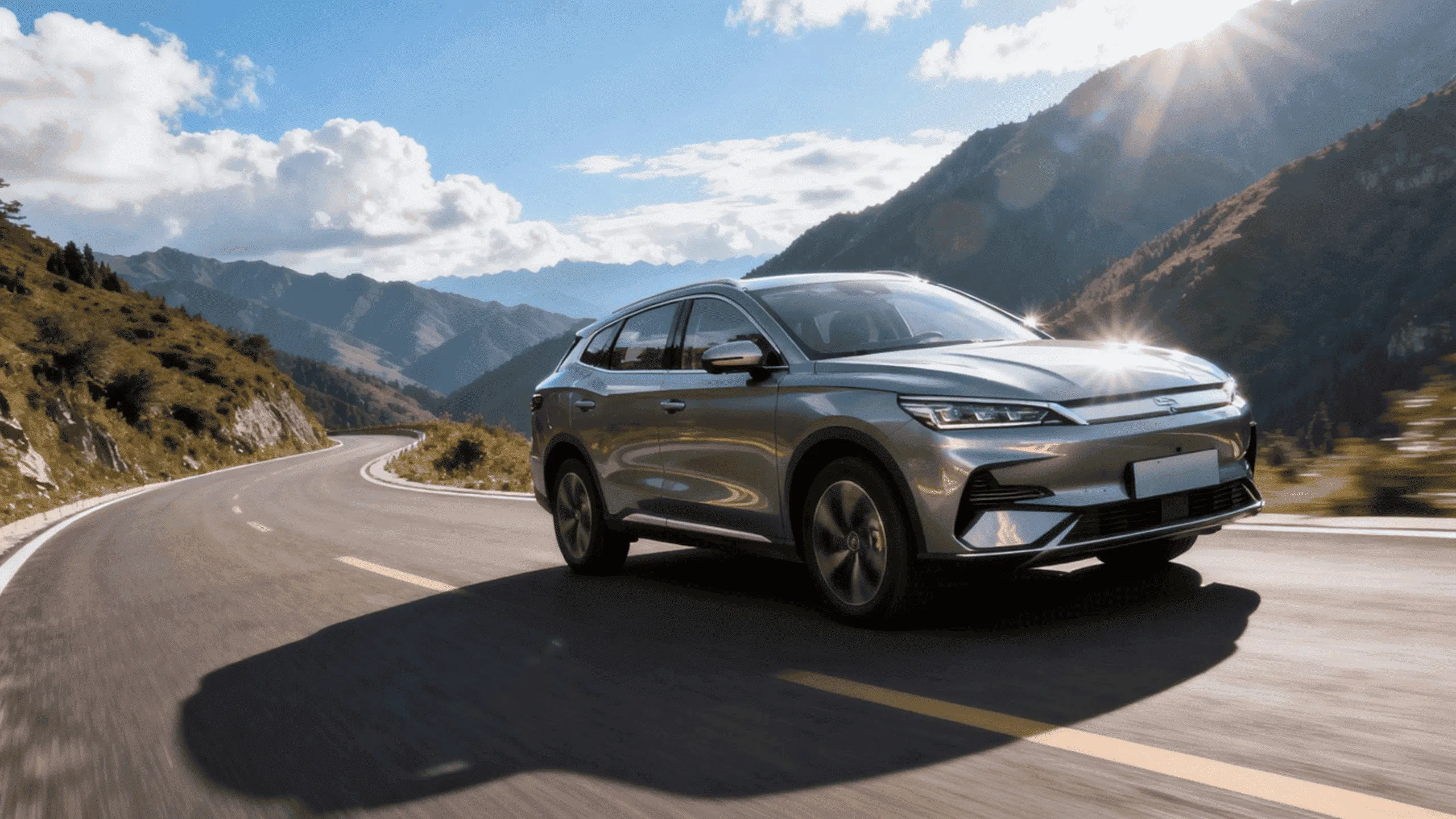
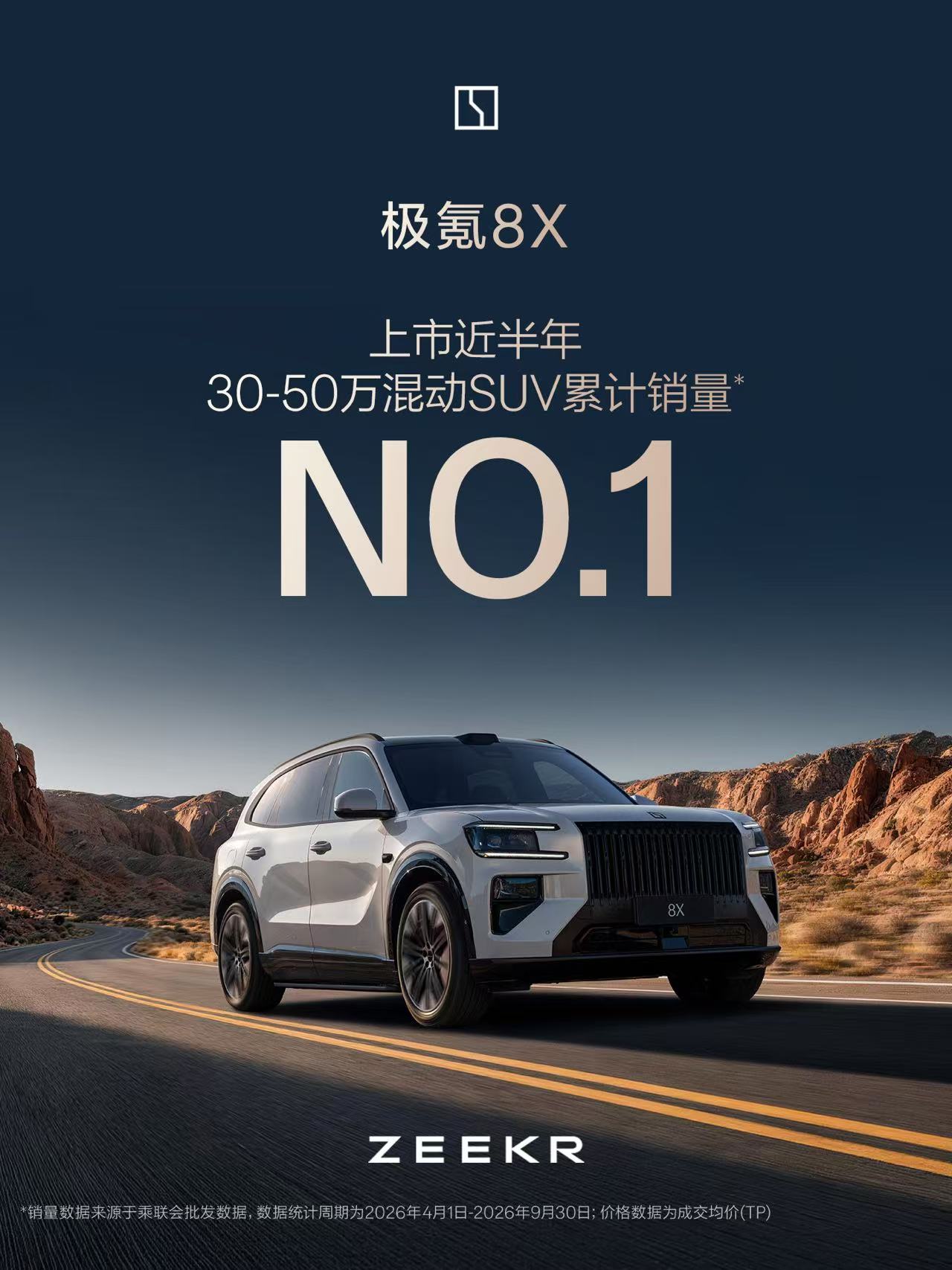
Xiaomi Auto founder Lei Jun has positioned the Pengcheng model's pricing directly against Leapmotor, entering the market with highly competitive pricing and sparking industry-wide attention to a new round of price wars.
Pricing Strategy Analysis
Xiaomi Auto adopted an aggressive pricing strategy for its latest Pengcheng model. According to industry sources, Lei Jun priced the Pengcheng directly against comparable Leapmotor models, aiming to rapidly capture market share through extreme value-for-money. This approach continues Xiaomi's consumer electronics playbook of "high specs, low prices."
Core characteristics of Xiaomi Pengcheng's pricing strategy:
- Price parity with Leapmotor: Matching or undercutting Leapmotor at equivalent specs
- No compromise on features: Maintaining high standards in intelligent driving and cockpit experience
- Ecosystem premium: Compensating hardware margins through Xiaomi ecosystem value-added services
Market Positioning: Xiaomi vs. Leapmotor
Leapmotor has established itself as the "value champion" among new EV players. By targeting Leapmotor directly, Xiaomi Pengcheng signals a head-to-head battle in the same arena.
| Comparison Dimension | Xiaomi Pengcheng | Leapmotor Equivalent | Gap Analysis |
|---|---|---|---|
| Starting Price (10K CNY) | ~120-150 | ~120-150 | Essentially equal |
| Intelligent Driving | Xiaomi self-developed | Leapmotor self-developed | Xiaomi ecosystem integration stronger |
| Cockpit System | HyperOS | Leapmotor OS | Xiaomi connected ecosystem more mature |
| Brand Traffic | Very high | Moderate | Xiaomi carries massive organic attention |
| Channel Coverage | Xiaomi Stores + dedicated | Direct + franchise | Xiaomi has more offline touchpoints |
Competitive advantage analysis:
- Xiaomi advantages: Massive brand traffic, complete ecosystem, extensive retail presence
- Leapmotor advantages: More manufacturing experience, mature supply chain, stronger cost control
- Shared challenge: Low-price strategy tests profitability
Impact on the Industry Price War
Xiaomi Pengcheng's Leapmotor-targeted pricing reflects the intensity of current NEV market competition.
Market reaction projections:
- Other brands in the same range (Neta, Deepal) may be forced to follow with price cuts
- New energy sub-brands of traditional automakers will face greater pressure
- Consumers benefit in the short term, but industry margins continue compressing
Relevance to Central Asia and Russia markets:
The escalation of price wars has significant implications for Chinese automaker exports. For dealers in Central Asia and Russia, this means:
- More high-value models available: Domestic price competition translates to export pricing
- Rapid product iteration: Automakers accelerate new launches to capture market share
- Quality and after-sales need attention: Low prices shouldn't come at the cost of quality
The "extreme value-for-money" approach represented by Xiaomi Pengcheng holds strong appeal in price-sensitive markets like Central Asia. However, overseas success depends on more than price—it requires robust after-sales networks, parts supply, and local adaptation. For dealers interested in importing Xiaomi vehicles, EX1000.COM provides detailed information on export policies, certification requirements, and supply channels.
Long-Term Sustainability Considerations
Whether aggressive pricing can be maintained long-term depends on:
- Scale effects: Rapid sales ramp-up to amortize R&D and manufacturing costs
- Supply chain bargaining power: Lowering component costs through large-scale procurement
- Ecosystem monetization: Generating recurring revenue through software services and accessories
- Capital patience: Whether investors accept short-term losses for market share