In May 2026, China's new energy vehicle retail penetration rate surpassed the 60% threshold for the first time, marking the official transition of internal combustion engine vehicles from market mainstream to secondary choice. Behind this historic milestone lies the triple resonance of technological maturity, shifting consumer perceptions, and charging infrastructure completeness. For Central Asian and Russian buyers following Chinese vehicle exports, understanding this structural shift helps anticipate future import model selection trends.
60% Penetration: A Watershed Data Point
According to the latest data from the China Passenger Car Association (CPCA), China's NEV retail penetration rate reached 60.3% in May 2026, breaking the 60% barrier for the first time.
The deeper significance of this figure:
- For every 10 new cars sold, 6 are new energy vehicles
- Internal combustion engine vehicles have shifted from "default choice" to "minority option"
- The Chinese market has officially entered the "post-ICE era"
Reviewing the penetration growth trajectory, the acceleration has exceeded market expectations:
| Time Point | Penetration Rate | Time to Reach |
|---|---|---|
| 2020 | 5.8% | — |
| 2022 | 27.6% | ~2 years |
| 2024 | 47.2% | ~2 years |
| May 2026 | 60.3% | ~1.5 years |
Why 60%?
60% is widely recognized as the "mainstream critical point" in technology adoption curves:
- Early adopters (approx. 16%) have fully embraced NEVs
- Early majority (approx. 34%) followed as infrastructure improved
- Reaching 60% means the "late majority" group is also transitioning
- The remaining 40% of conservative consumers will be gradually driven by policy and market forces over the next 3-5 years
Triple Drivers: The Resonance of Technology, Perception, and Infrastructure
The penetration breakthrough to 60% is no accident—it is the inevitable result of three conditions maturing simultaneously.
Technology Maturity: Range Anxiety Largely Eliminated
- Mainstream pure-electric models now offer CLTC ranges exceeding 600 km
- 800V high-voltage fast-charging platforms achieve 400 km of range in 15 minutes
- Plug-in hybrid models offer pure-electric ranges surpassing 200 km, enabling fully electric daily commuting
Consumer Perception: From "Early Adoption" to "Pragmatism"
The reasons consumers choose NEVs have fundamentally shifted:
- Early period (2020-2022): Policy subsidy-driven, purchase cost advantage
- Mid-period (2023-2024): Operating cost advantage, intelligent experience attraction
- Current (2025-2026): The product itself is good enough; NEV is simply the better choice
Infrastructure: Charging Network Density Surpasses Gas Stations
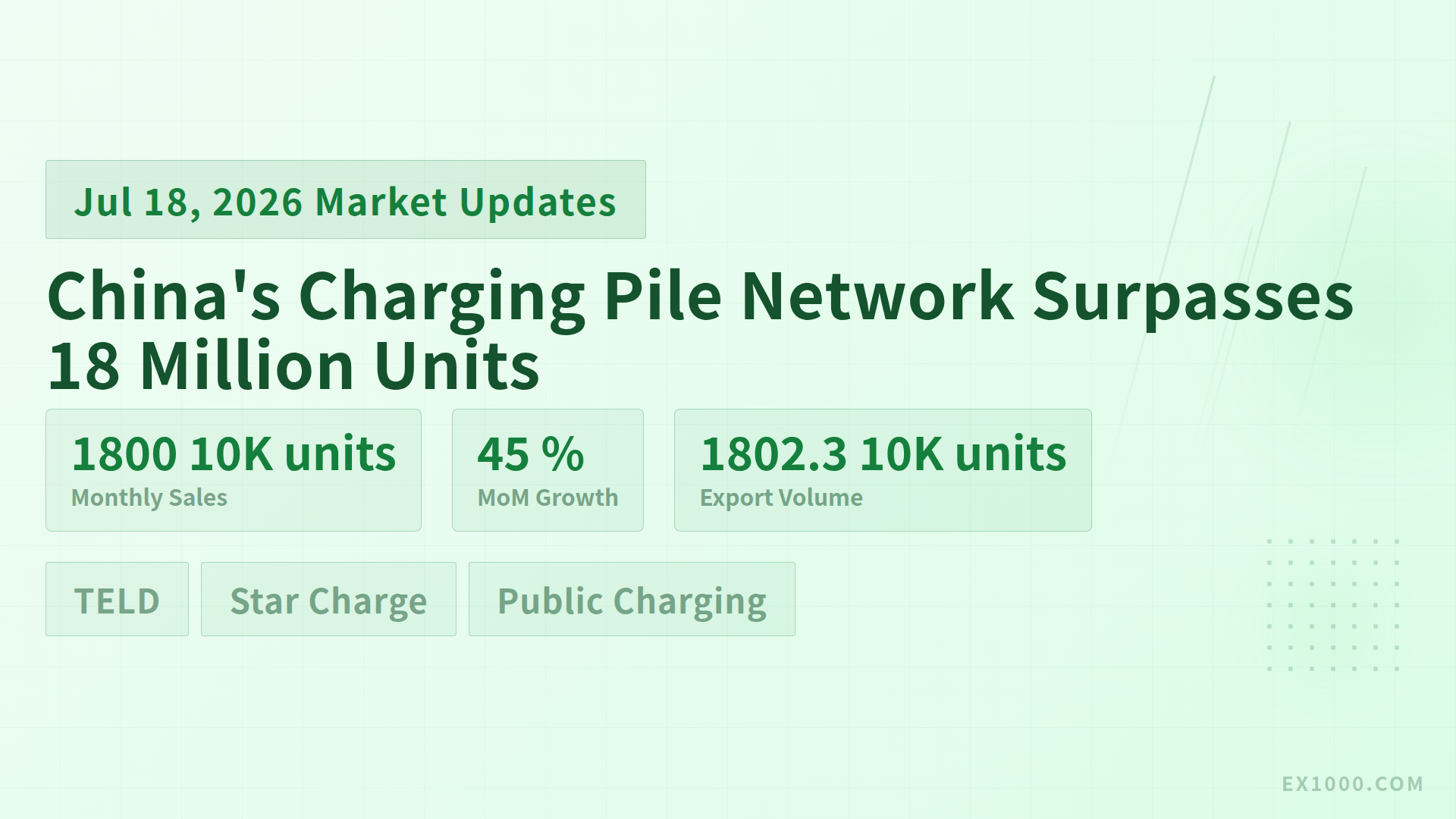
As of May 2026, China's total charging pile count exceeded 12 million, including 3.2 million public piles. The vehicle-to-pile ratio reached 1:2.5, with charging convenience surpassing refueling for the first time.
Implications for Export Markets
The structural transformation of China's domestic market is profoundly impacting export model structures and overseas consumer choices.
A 60% domestic NEV penetration means:
- Chinese automakers' R&D focus has fully shifted to NEV platforms; future export models will predominantly be pure-electric or plug-in hybrid
- The scale effects of China's NEV industrial chain give Chinese automakers a 30-40% global competitive advantage in battery costs
- The high penetration rate of intelligent features (smart cockpit, assisted driving) in the domestic market is driving automakers to include them as standard in export models
For Central Asian and Russian buyers, this trend brings a richer selection. In the past, Chinese vehicles exported to these markets were predominantly ICE models, but within the next 3 years, the proportion of NEV models will rise rapidly. Through platforms like EX1000.COM, buyers can secure early access to Chinese NEV models equipped with smart cockpits, long-range batteries, and heat pump air conditioning—features particularly suited to cold climates.
A quiet revolution is reshaping global auto consumption. The 60% penetration rate is just the beginning.