On August 13, Xiaomi Group Partner and President Lu Weibing announced that the Xiaomi HyperOS 4 Beta would be released directly to users for public testing without a traditional press conference. This decision marks a new approach in Xiaomi's software iteration strategy—using real user feedback instead of stage presentations to drive continuous optimization of the system experience.
An "Unconventional" Release
On August 13, Xiaomi's HyperOS officially released the HyperOS 4 Beta version, opening applications at 11:00 AM with a push plan announced for the afternoon of August 14 for the first batch of users.
Unlike usual practice, Xiaomi Group Partner, President, Head of Mobile Phone Division, and General Manager of Xiaomi Brand Lu Weibing announced a surprising decision: "The Xiaomi HyperOS 4 Beta is about to meet everyone. This time we have decided not to hold a press conference, but instead to continuously optimize the experience through more user feedback."
In the conventional practice of mobile phone manufacturers, every major system update is almost always accompanied by a carefully planned press conference—stage lights, product demos, executive appearances. This is the standard process for communicating product value and generating media buzz. Xiaomi's active abandonment of this "standard configuration," choosing instead to meet users directly through a Beta public test, is relatively rare in the industry.
Core Upgrades in HyperOS 4
Despite the lack of a press conference, the upgrades in HyperOS 4 are still worth users' attention.
In terms of visual design, HyperOS 4 introduces a new "Soft Glass" dynamic visual material effect. This effect can perceive ambient colors and automatically adjust transparency based on current content attributes, enhancing visual quality while maintaining content readability. This design philosophy reflects Xiaomi's continued exploration of system aesthetics—making the UI no longer a static interface but a "living" system that responds dynamically to environment and content.
The core goals of Xiaomi HyperOS 4 are twofold: first, to further deepen the integration experience of the "Human-Car-Home Full Ecosystem", breaking down data barriers and service coordination between phones, cars, and smart home devices; second, to use a more open Beta testing mechanism, making real users the core driving force behind product iteration.
The first batch of Beta model recruitment opened at 11:00 AM on August 13 on the Xiaomi Community, where users can apply through official channels. Xiaomi stated it will continuously optimize the system experience based on Beta user feedback, with the subsequent official release adjusted specifically based on real data and user suggestions collected during the public test period.
Why "No Press Conference"?
Behind Lu Weibing's decision lies a subtle shift in Xiaomi's product philosophy.
First, it reflects Xiaomi's deepening commitment to the User-Driven Development concept. Compared to one-way presentations at press conferences, Beta public testing can directly capture feedback from tens of thousands of real users—from system smoothness, battery life, to feature usability. This real-world data is far more valuable than laboratory testing. Lu Weibing's statement of "continuously optimizing the experience through more user feedback" is a direct expression of this philosophy.
Second, it also reflects Xiaomi's confidence in HyperOS product maturity. Skipping the press conference doesn't mean the product isn't significant—on the contrary, it shows Xiaomi believes the system quality and user word-of-mouth are the best "press conference" of all. For Xiaomi, which has built a massive user base and community ecosystem, word-of-mouth within the community may be no less effective than a press conference.
Furthermore, from a marketing rhythm perspective, Xiaomi has already held multiple major press conferences in 2026—the Xiaomi 17 Series global launch (Barcelona, February 28), the Redmi K90 Ultra launch (June 30), and more. In a year with intensive hardware product launches, downgrading a system Beta update from "press conference level" to "community public test level" is also a reasonable resource allocation.
Xiaomi's "Human-Car-Home Full Ecosystem" Strategy
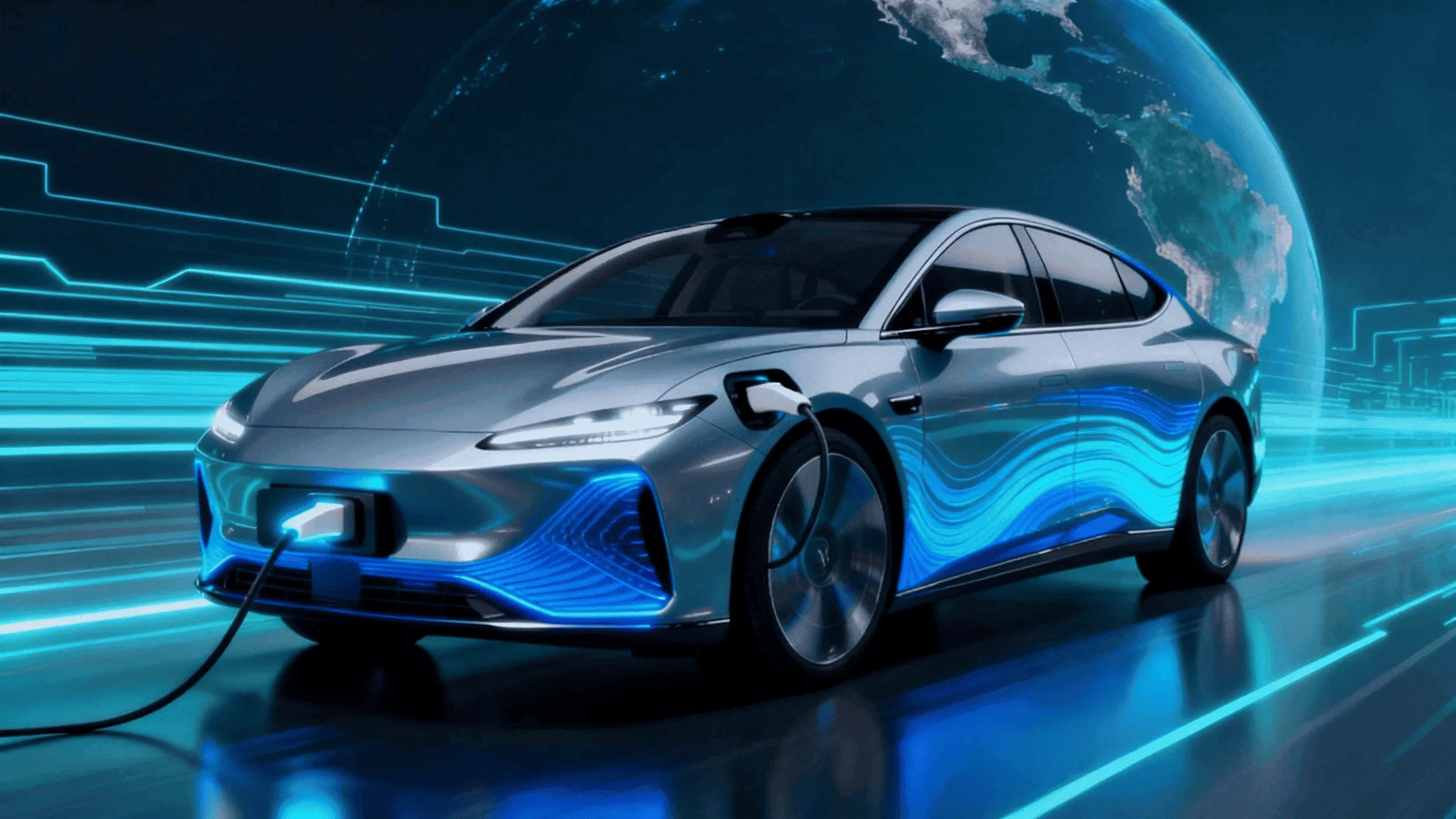
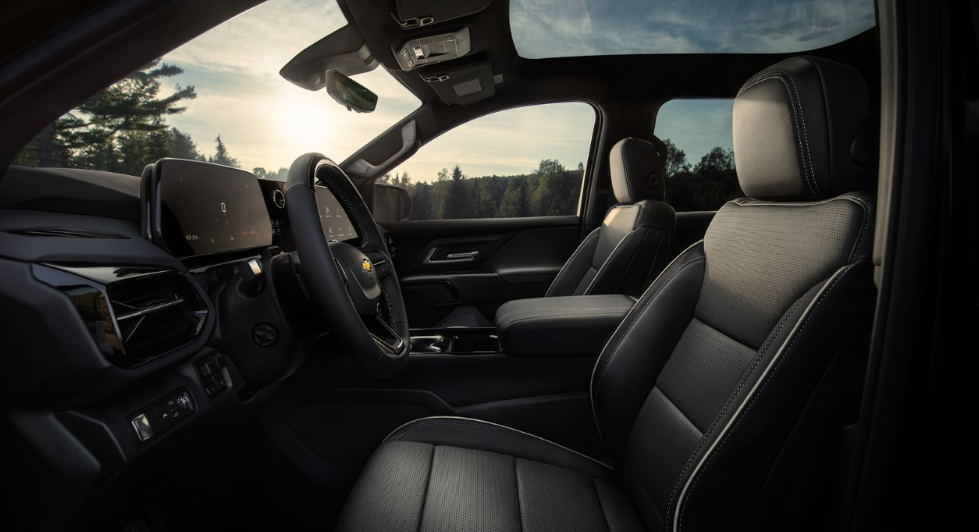
The launch of HyperOS 4 is inseparable from Xiaomi's continued advancement of its "Human-Car-Home Full Ecosystem" strategy.
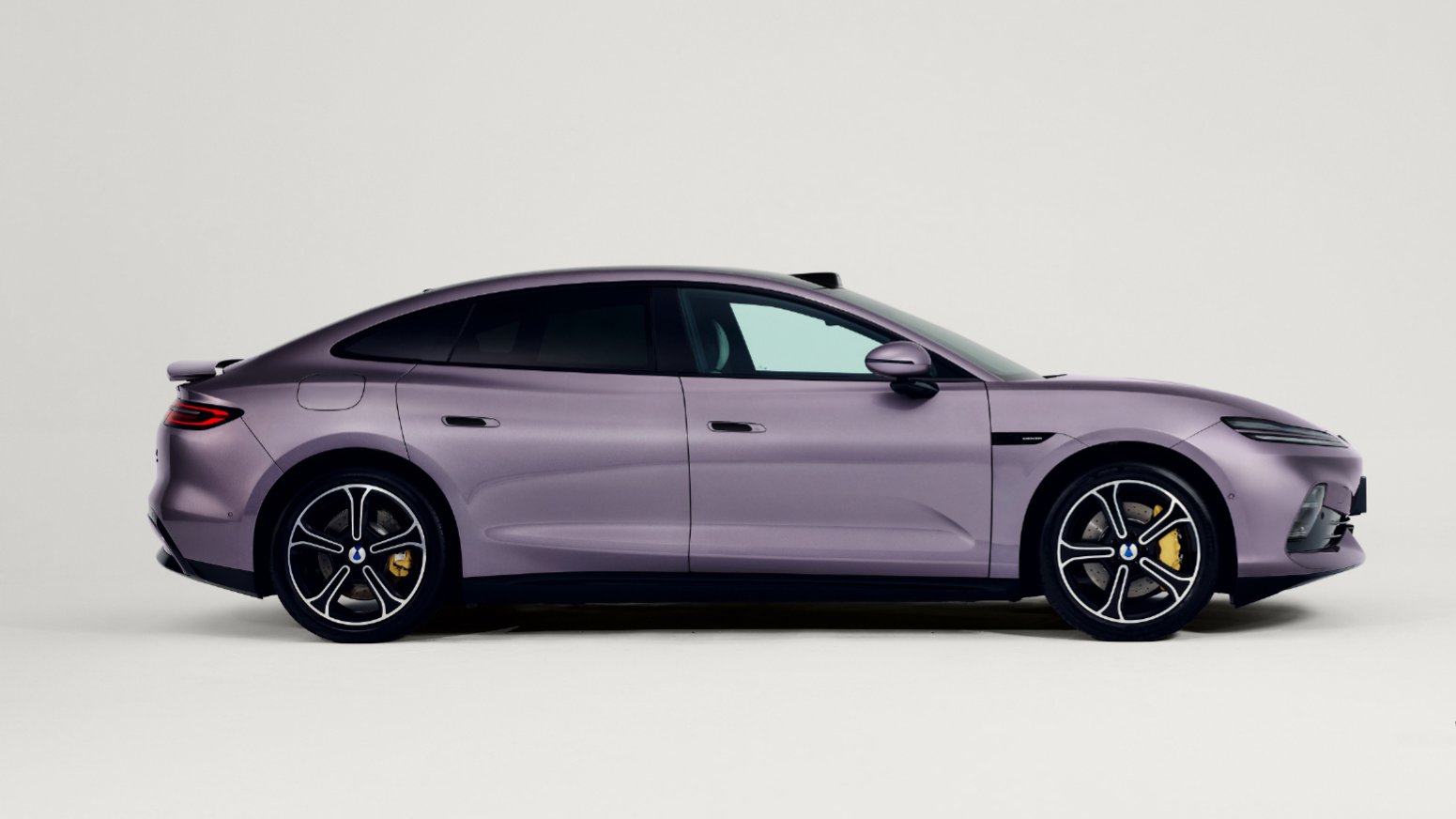
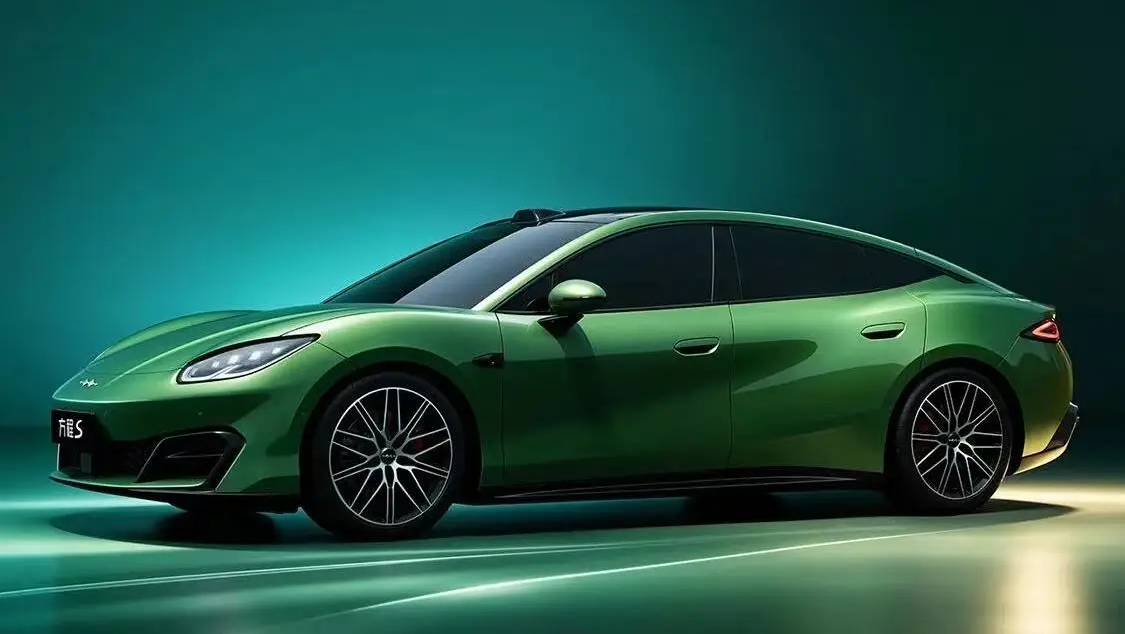
In 2025-2026, Xiaomi achieved remarkable results in its automotive business. The Xiaomi SU7 continued to sell strongly, with 104,454 units delivered from January to April 2025, ranking fourth among domestic models. The Xiaomi YU7 (first SUV) was launched in May 2025, with reservation inquiries exceeding those of the SU7 during the same period, and lead users approximately 3 times that of the SU7 tech launch. Lu Weibing stated bluntly at the Q1 earnings call: "Since the SU7 launch, no competitor has been able to match it. Not a single one."
Against this backdrop, HyperOS as the core operating system connecting phones, cars, and smart homes is of self-evident importance. A smoother, smarter, more seamlessly connected OS is the key infrastructure for Xiaomi's "Human-Car-Home Full Ecosystem" strategy.
Industry Significance: Diversified Exploration of Software Iteration Models
Xiaomi's "no press conference" attempt also provides a thought-provoking example for the industry.
As smartphone market growth slows and user replacement cycles extend, the importance of software experience is increasingly prominent. Manufacturers are all exploring more efficient system iteration models—Huawei's HarmonyOS adopts a dual-track "public test + official release" approach, Apple iOS collects feedback through developer previews, while Xiaomi's direct skip of the press conference in favor of Beta public test-driven iteration represents a more radical "agile" route.
The advantage of this model is that it shortens the closed loop from development to user feedback, allowing product teams to respond to real needs faster and more accurately. But challenges exist too: without the concentrated exposure of a press conference, version update market awareness may decrease; Beta version instability may also affect user experience.
Regardless, Xiaomi's attempt at least proves one thing: in the era of software-defined products, the form of the press conference is becoming less singular, and user experience itself is the ultimate judge.
| Xiaomi 2026 Major Launch Timeline | |
|---|---|
| Feb 28 | Xiaomi 17 Series Global Launch (Barcelona) |
| May 19 | Xiaomi Strategic New Product Launch (Xuanjie O1 + YU7) |
| Jun 30 | Redmi K90 Ultra Launch |
| Aug 13 | HyperOS 4 Beta Public Test (No press conference) |
Conclusion
Xiaomi HyperOS 4 Beta skipping the press conference and going directly to users for public testing is a标志性 attempt in Xiaomi's product philosophy evolving from "stage-driven" to "user-driven." At a critical stage where the "Human-Car-Home Full Ecosystem" strategy is accelerating, the iteration quality of this system will directly impact the user reputation of Xiaomi's full-scenario experience. For Mi Fans, perhaps the presence or absence of a press conference doesn't matter—a system that can truly continuously optimize the experience is the best "product manifesto." For more information, visit EX1000.COM.