The outbreak of the Iran war in early 2026 disrupted Strait of Hormuz shipping, sending global oil prices to four-year highs. This energy shock unexpectedly fueled a surge in demand for Chinese new energy vehicles across Europe — in March 2026 alone, China's auto exports to Europe reached 160,000 units, with EVs jumping 141% year-on-year. BYD, Chery, and Geely have become the new choices for European consumers seeking alternatives to traditional fuel vehicles.
Oil Price Spike: The Butterfly Effect from the Strait of Hormuz
The Iran war that erupted in early 2026 transformed the global energy landscape. The Strait of Hormuz — a strategic waterway carrying approximately 20% of global crude oil shipments — saw shipping disrupted, causing international oil prices to soar to their highest levels in nearly four years.
This scenario bears striking similarities to the oil crises of the 1970s and 80s. Back then, soaring oil prices forced North American consumers to abandon large-displacement domestic vehicles in favor of fuel-efficient models from Toyota, Honda, and Nissan, launching the golden age of Japanese automakers.
Now, the leading role belongs to Chinese electric vehicle manufacturers.
China's NEV Export Surge to Europe: Reading the Signals
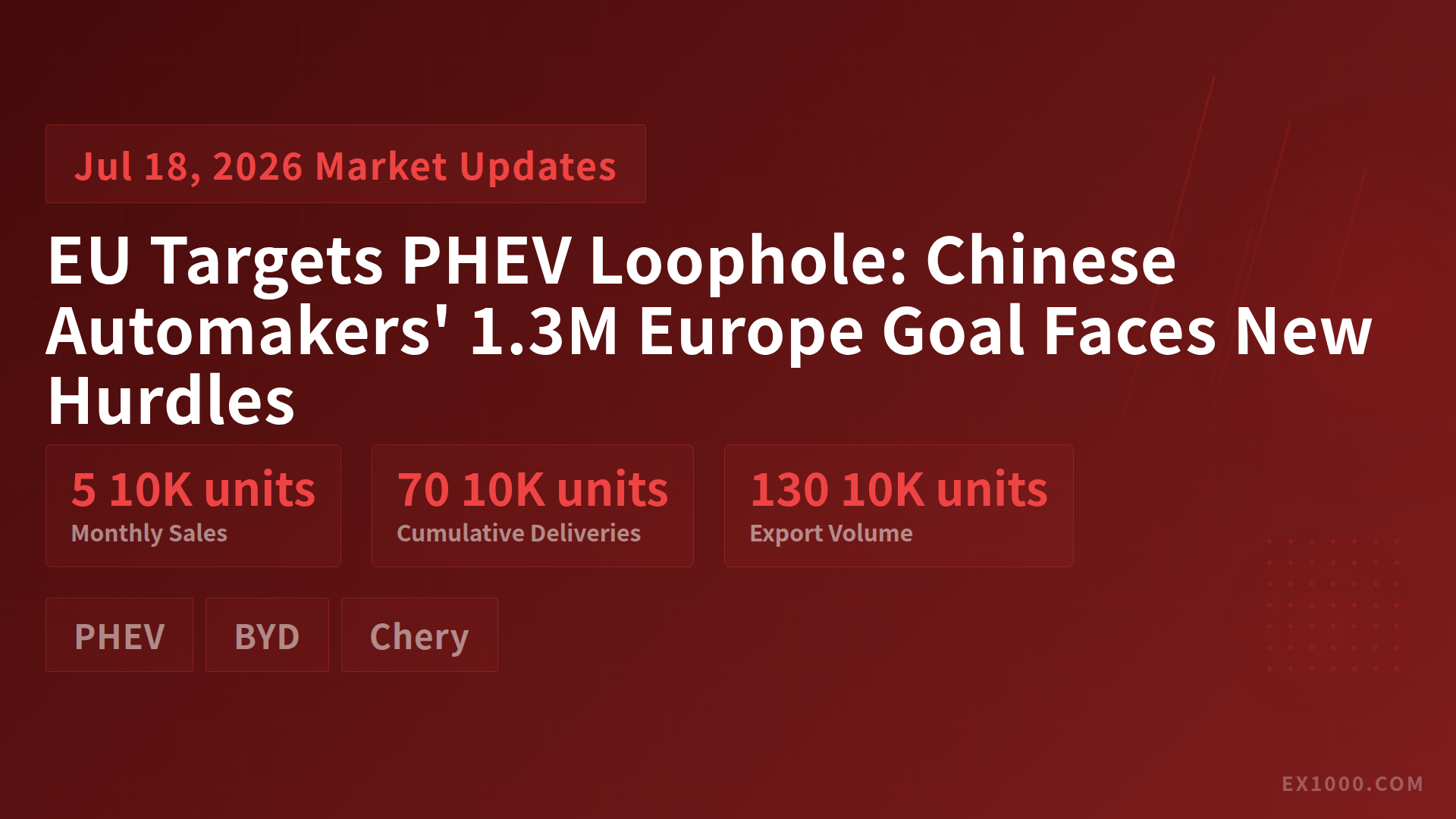
In March 2026, China's automobile exports to Europe doubled to 160,000 units, with electric vehicles surging 141% year-on-year — a growth rate far exceeding industry expectations.
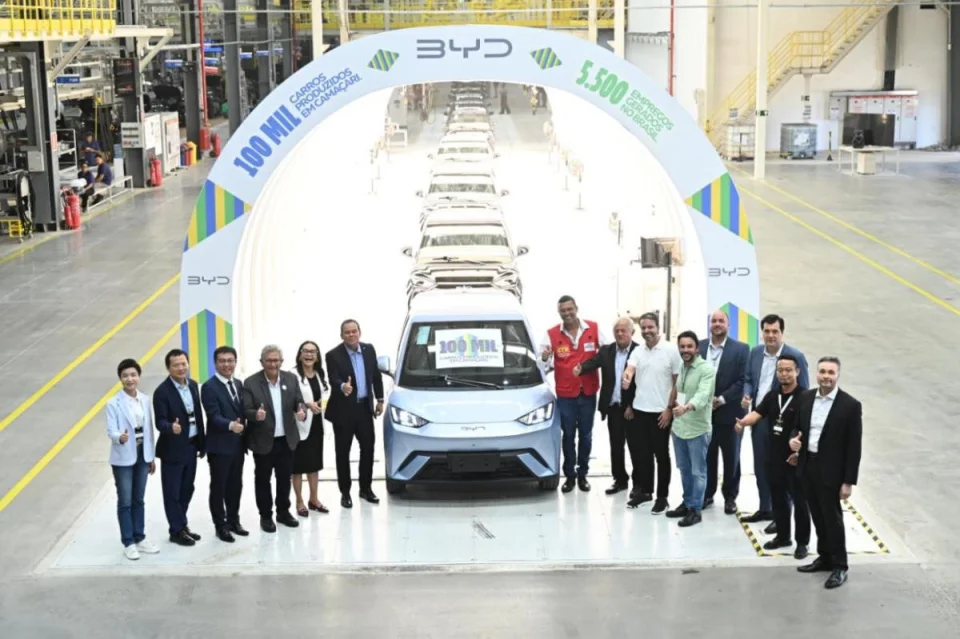
BYD Chairman Wang Chuanfu revealed at the end of March that the company's European sales in March had more than tripled. Chery also reported significant increases in EV orders across the UK and EU markets.
Why European Consumers Are Turning to Chinese EVs
Rising oil prices have directly increased vehicle operating costs for European consumers, prompting more to consider new energy alternatives:
Chinese EVs are generally 20%-40% cheaper than European domestic brands
Chinese brands' smart cockpit, assisted driving, and connected services appeal to younger European consumers
EU carbon emission regulations are tightening, continuously raising the cost of traditional fuel vehicles
Brand | Q1 2026 Europe Sales (10k units) | YoY Growth | Key Models |
|---|---|---|---|
BYD | 3.2 | +210% | Seal, ATTO 3 |
Chery | 2.1 | +156% | Omoda E5 |
Geely | 1.5 | +98% | Zeekr 001, Volvo EX30 |
GWM | 0.8 | +75% | Ora Funky Cat |
From Crisis to Opportunity: The Logic of Chinese OEMs' Global Expansion
While the Iran war cut off access to the Middle East — an important market for Chinese vehicles — OEMs quickly adjusted their strategies:
Increased investment in European markets to fill the energy transition demand gap
Accelerated overseas localized production to reduce logistics and tariff costs
Transitioned from "product export" to "system export" through technology and brand building
For potential overseas buyers, this energy crisis provides a valuable observation window: when rising oil prices become the norm, choosing a Chinese electric vehicle is not only an economically rational decision but also an early positioning for the future of mobility. Through platforms like EX1000.COM, buyers in Central Asia and Russia can access detailed specifications and export information for the latest Chinese models.
Outlook
Analysts predict that if international oil prices remain elevated, China's annual NEV exports to Europe could exceed 600,000 units in 2026, with year-on-year growth potentially surpassing 100%. Chinese automakers are using the demand surge driven by rising oil prices to accelerate their march into the global market center stage.