In H1 2026, China sold 7.446 million NEVs, up 7.3% YoY, with NEV exports surging 120% to 2.355 million units. June auto exports hit a record 1.0378 million. However, domestic sales fell 21.1%, creating a "hot exports, cold domestic" pattern. BEV recovered while PHEV and EREV declined.
Overall Sales: Export Records Amid Domestic Pressure
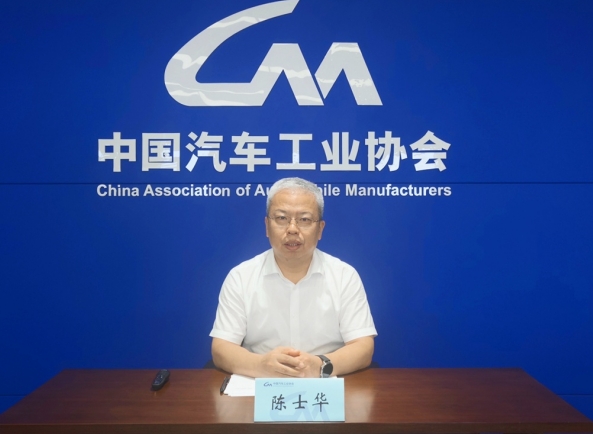
According to the China Association of Automobile Manufacturers (CAAM), in the first half of 2026, China's new energy vehicle sales reached 7.446 million units, up 7.3% year-over-year. NEV exports during the period hit 2.355 million units, surging 120% YoY, with June alone seeing export growth of 160%.
In June, China's auto exports jumped 75.1% YoY to 1.0378 million units, marking the first time monthly exports exceeded one million vehicles and setting a new record. For H1, cumulative auto exports surpassed 5 million units, up 65.3%.
However, the domestic market faces clear headwinds. National Bureau of Statistics data shows H1 domestic auto sales fell 21.1% YoY to 9.921 million units. Auto-related consumer spending dropped 12.6% to 1.97 trillion yuan, the largest decline among all consumer categories. Auto spending's share of total retail sales fell from the usual 10% to 7.9%.
H1 Market Key Data Comparison:
| Metric | H1 2026 | YoY Change | Trend Assessment |
|---|---|---|---|
| Total auto sales | 9.921 million | -21.1% | Domestic demand under pressure |
| NEV sales | 7.446 million | +7.3% | Maintaining positive growth |
| Total auto exports | 5 million+ | +65.3% | Export hitting new highs |
| NEV exports | 2.355 million | +120% | Core export engine |
| Passenger car retail | 8.701 million | -20.2% | Weak domestic demand |
| NEV passenger retail | 4.704 million | -14% | Penetration still high |
Powertrain Divergence: BEV Recovers, PHEV and EREV Slow
Structural divergence is emerging within the NEV market. In June, pure battery electric passenger car retail rose 3.6% YoY to 685,000 units. PHEV and EREV sales fell 27.3% and 31.9% respectively.
This divergence is closely tied to oil price volatility. In 2026, international oil prices fluctuated significantly. Pure BEVs are completely unaffected by fuel prices, while PHEV and EREV models retain internal combustion engines, so their cost advantage weakens as oil prices rise. HEV retail fell 7% in June, while pure ICE vehicles plummeted 42%.
Despite NEV passenger retail falling 14%, the decline was narrower than ICE vehicles, keeping NEV retail penetration at 62.8% in June. This means more than 6 out of every 10 vehicles sold are new energy models.
June Performance by Powertrain Type:
- BEV: Retail 685k units, +3.6% (only positive category)
- PHEV: YoY -27.3%
- EREV: YoY -31.9%
- Pure ICE: YoY -42%
Multiple domestic automakers have increased hybrid model offerings to adapt, both responding to demand shifts from oil price volatility and meeting domestic fuel consumption regulations. BYD announced advanced intelligent driving across all models, while XPeng and Huawei accelerated urban NOA deployment to vehicles priced at 200,000 yuan and below, driving consumer recognition.
Export Landscape: Russia in Top 3, Chery and BYD Lead
Exports have become the brightest highlight of China's 2026 auto market. CPCA data shows that in the first five months of 2026, the top three destinations for Chinese auto exports were Brazil, Russia, and the UK.
Take Brazil as an example: in the first five months, China exported 380,000 vehicles to Brazil, up 312% YoY. NEVs were the main export force, surging over 300% to 289,000 units. Policy changes were the key driver: Brazil began restoring NEV import tariffs from 2024, with full restoration to 35% by July 2026, equal to ICE rates. Domestic automakers rushed to export before the window closed.
CAAM data shows H1 2026:
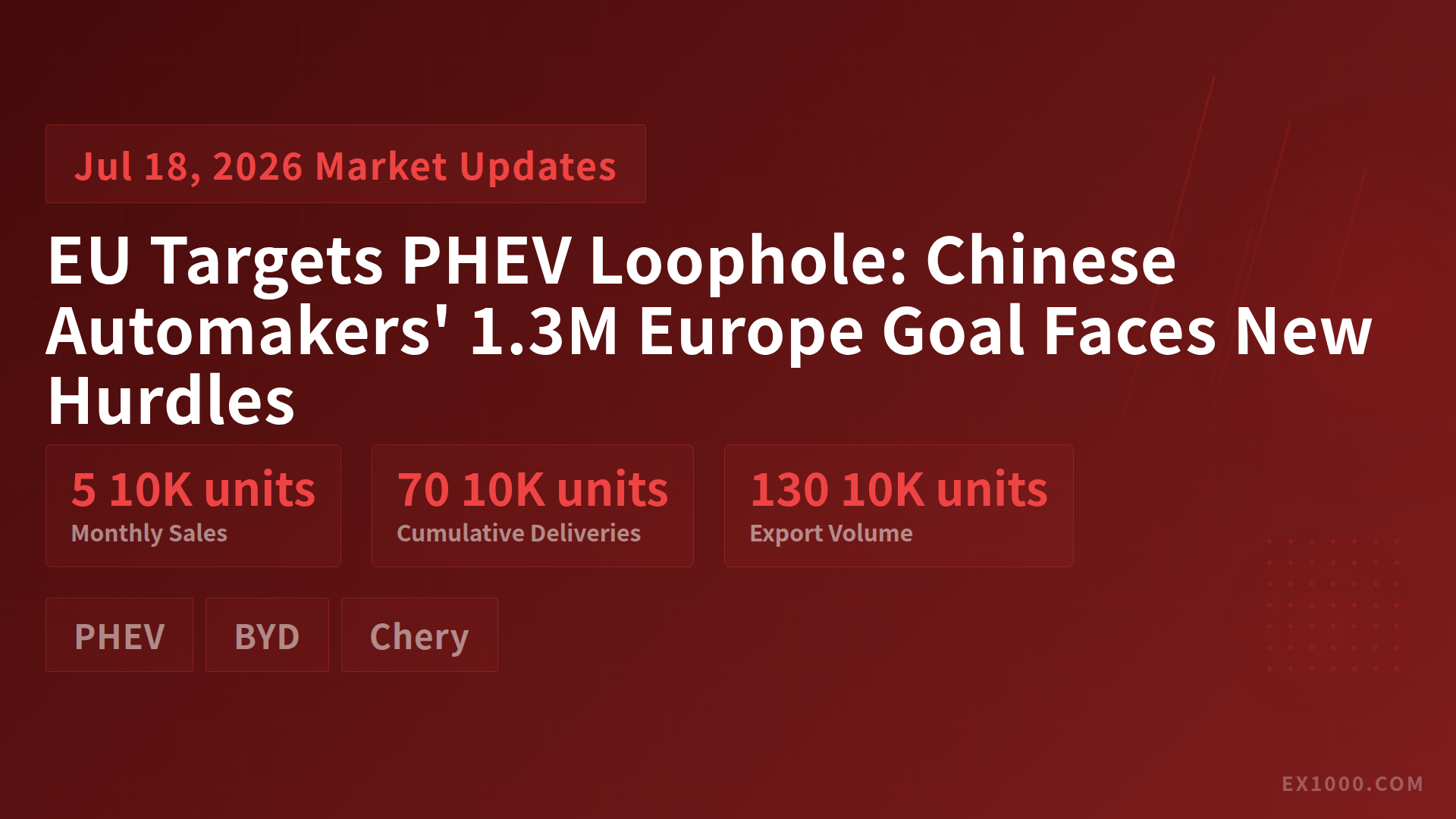
- Chery: Exports approaching 1 million units, ranking first among Chinese automakers
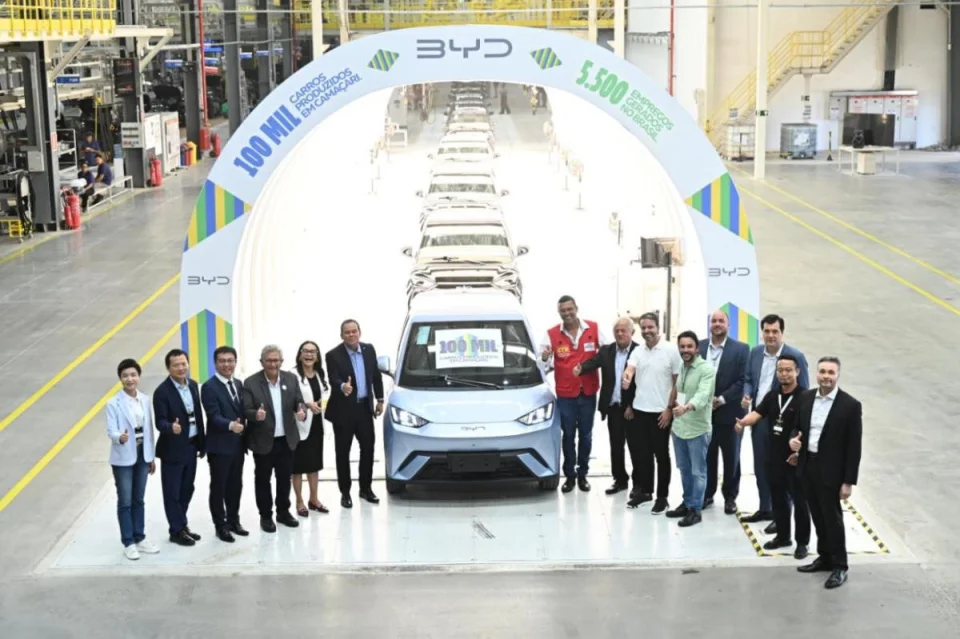
- BYD: Following closely, approaching 800,000 units
In response to Brazil's tariff changes, BYD, Great Wall Motor, and Changan Automobile have already begun local production in Brazil to seek long-term development. In the Russian market, Chinese brands continue expanding share through competitive pricing and rapid product iteration. For Central Asian buyers, Chinese automakers' experience and channel networks in Russia provide direct reference for vehicle procurement and after-sales service.
The IEA's latest Global EV Outlook 2026 projects global EV sales of 23 million units in 2026, accounting for nearly 30% of global new car sales. Europe is expected to grow 20%; Asia-Pacific (excluding China) over 50%. SNE Research data shows non-China EV deliveries reached 3.591 million units in January-May 2026, up 26.3%. BYD delivered 384,000 units ranked third, up 80.3%; Chery delivered 160,000 units, up 380.4%—the highest growth rate among all brands.
Chinese automakers' globalization is shifting from "product export" to "local production." For buyers and dealers in Central Asia and Russia, this means both richer choices and the need to evaluate brands' local service capabilities. EX1000.COM will continue tracking China's NEV export dynamics and overseas policy changes.