China's auto exports hit 5.096 million units in H1 2026, up 65.3% YoY, with NEV exports surging 120% to 2.355 million. Domestic passenger vehicle retail fell 20.2% to 8.701 million units. Policy shifts from anti-involution to technology innovation guidance, with MIIT making reliability testing mandatory and 82 national auto standards rolling out in 2026.
A Tale of Two Markets: Exports vs. Domestic Sales
China's automotive market is undergoing a profound structural divergence. The latest data shows total auto exports reached 5.096 million units in the first half of 2026, a robust 65.3% year-over-year increase. Even more striking, NEV exports hit 2.355 million units, soaring 120%. In stark contrast, domestic passenger vehicle retail stood at 8.701 million units, down 20.2% from the same period last year.
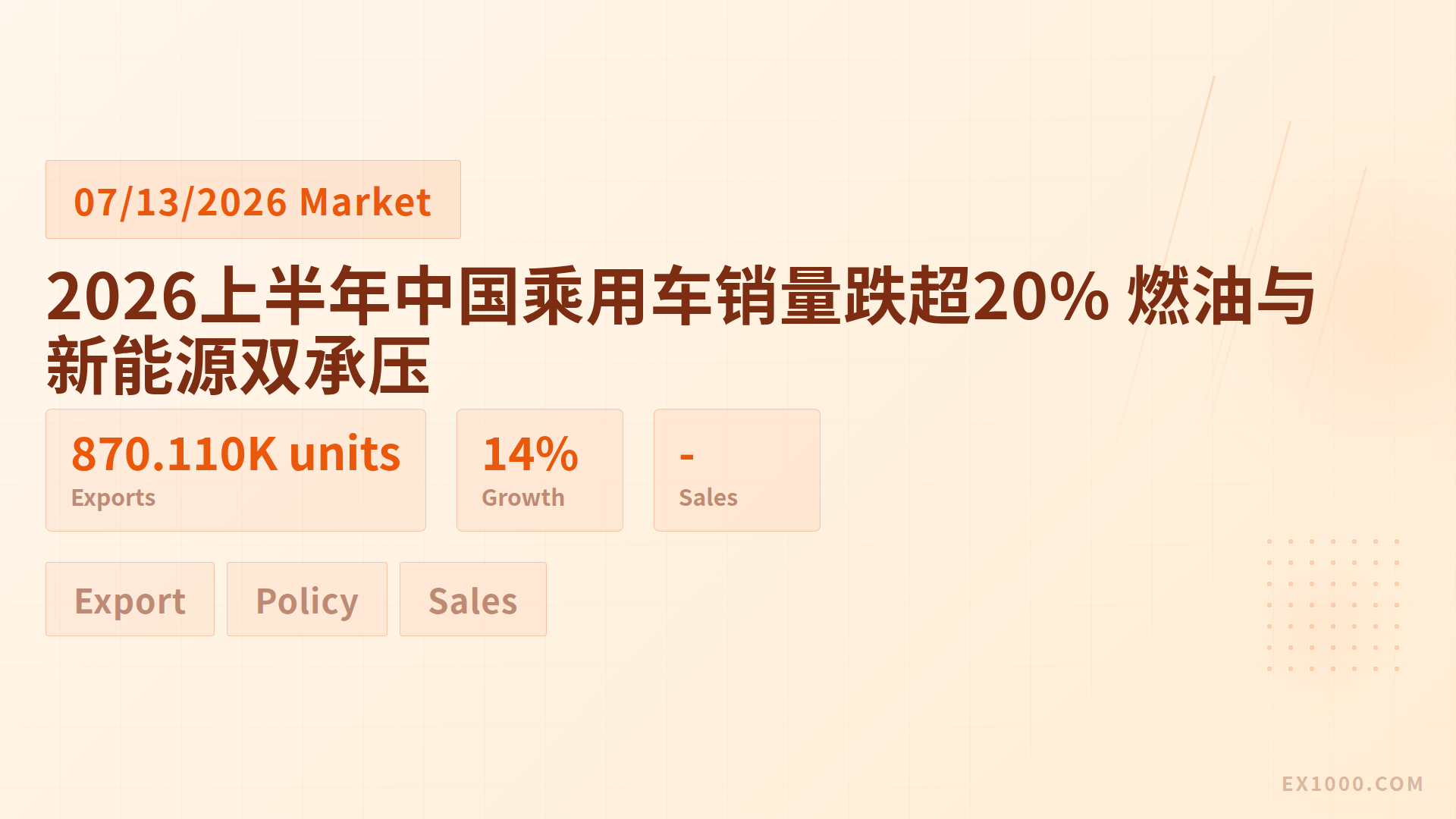
(Image: H1 2026 China auto export vs. domestic sales data comparison chart)
These figures reveal a clear trend: overseas markets, particularly in the NEV segment, have become the primary growth engine, while the domestic market faces mounting pressure from cutthroat price wars and homogenized competition. The widening gap between exports and domestic sales signals an industry pivot from "fighting for domestic share" to "expanding overseas增量".
Policy Shift: From Anti-Involution to Technology Innovation Guidance
For the past two years, policy focused on curbing destructive price wars and homogenized competition. Now, the wind has changed. The Ministry of Industry and Information Technology (MIIT) has upgraded reliability testing from a recommended requirement to a mandatory condition for production access permits, meaning manufacturers must pass stricter technical validation to remain in the market.
This policy shift sends three clear signals:
- Higher technical barriers: Mandatory reliability testing means low-quality, low-cost products will find it harder to enter the market
- Innovation-first orientation: Policy no longer merely suppresses price competition but actively encourages deep-tech investment
- Accelerated national standards: 82 national automotive standards will be rolled out in 2026, covering safety, emissions, and intelligent connectivity
The essence of this shift is moving from "what you cannot do" to "what you are encouraged to do" — the government is now using technical standards to filter true innovators, rather than relying solely on administrative measures to suppress competition.
Competitive Landscape Reshuffle: Who Benefits?
The policy pivot will fundamentally reshape the competitive landscape. Three types of companies are likely to gain advantage under the new rules:
- Tech-heavy leaders: Firms with deep investment in battery systems, intelligent driving, and reliability testing can quickly meet new compliance requirements
- Export-oriented brands: Manufacturers with established overseas channels and brand recognition can leverage the export growth window for further expansion
- Vertically integrated groups: Companies with complete in-house R&D and testing capabilities face lower compliance costs under mandatory reliability testing
Conversely, tail-end brands relying on price wars without core technology积累 may face accelerated elimination. The contrast between 65.3% export growth and 20.2% domestic decline already proves that overseas markets are willing to pay for quality, while domestic "involution" is losing its effectiveness.
Key Data at a Glance
| Metric | H1 2026 Data | YoY Change | Policy Implication |
|---|---|---|---|
| Total Auto Exports | 5.096 million units | +65.3% | Strong overseas demand, exports become the main growth engine |
| NEV Exports | 2.355 million units | +120% | NEV technology leadership gains international recognition |
| Domestic PV Retail | 8.701 million units | -20.2% | Domestic market enters存量博弈, policy shifts to tech guidance |
| National Auto Standards | 82 items | Full-year rollout | Technical standard system accelerates, entry barriers rise |
Conclusion: A Watershed Moment
2026 marks the critical year when China's auto industry transitions from scale expansion to quality competition. The robust export data proves Chinese automakers' global competitiveness, while the domestic retail decline forces policy to evolve from simple "anti-involution" to "technology innovation guidance." The rollout of 82 national standards and the mandatory reliability testing requirement will accelerate industry consolidation. The winners of tomorrow will not be the brands that discount the deepest, but those that pass the toughest technical validations and earn the trust of overseas consumers.