China's new energy passenger vehicle retail penetration rate reached 62.8% in June 2026, with wholesale volume estimated at 1.51 million units (+22% YoY, +12% MoM). This milestone marks the definitive shift from policy-driven to market-driven adoption. For global buyers, China's NEV industry has achieved unmatched scale, cost efficiency, and supply chain maturity—making it the world's most reliable source for competitive electric vehicles and components.
62.8%: A Historic Inflection Point
In June 2026, China's NEV retail penetration hit 62.8%. For every 10 new cars sold, more than 6 were new energy vehicles. This is a structural inflection point—NEVs are no longer an alternative; they are the default consumer choice.
The penetration curve tells the story: under 6% in 2020, above 35% in 2023, approaching 50% in 2024, and now 62.8% in June 2026. The steep climb reflects a complete ecosystem transformation: falling battery costs, ubiquitous charging infrastructure, full price-range product coverage, and fundamentally shifted consumer perception.
For international observers, this number means China's NEV market is fully mature. Market maturity translates directly into supply chain maturity, cost compression, and rapid product iteration—precisely the competitive advantages driving Chinese exports worldwide.
Key Data: 1.51 Million Wholesale Units
CPCA data shows June NEV wholesale volume reached 1.51 million units, up 22% year-over-year and 12% month-over-month. This growth reflects both domestic demand and expanding export capacity, as more manufacturers redirect production toward overseas markets.
Why Did Penetration Break 60%?
Comprehensive Product Coverage
From 30,000-yuan mini commuters to million-yuan luxury flagships, Chinese NEVs cover every price segment. BYD's Dynasty/Ocean series, Geely Galaxy, Changan Qiyuan, and Chery Fengyun have created dense product coverage in the core 100,000-250,000 yuan range.
Total Cost of Ownership Advantage
With volatile fuel prices and stable electricity costs, EVs now offer undeniable running cost advantages. In urban commuting scenarios, per-kilometer costs are 1/5 to 1/8 those of gasoline vehicles.
Infrastructure Crossing the Tipping Point
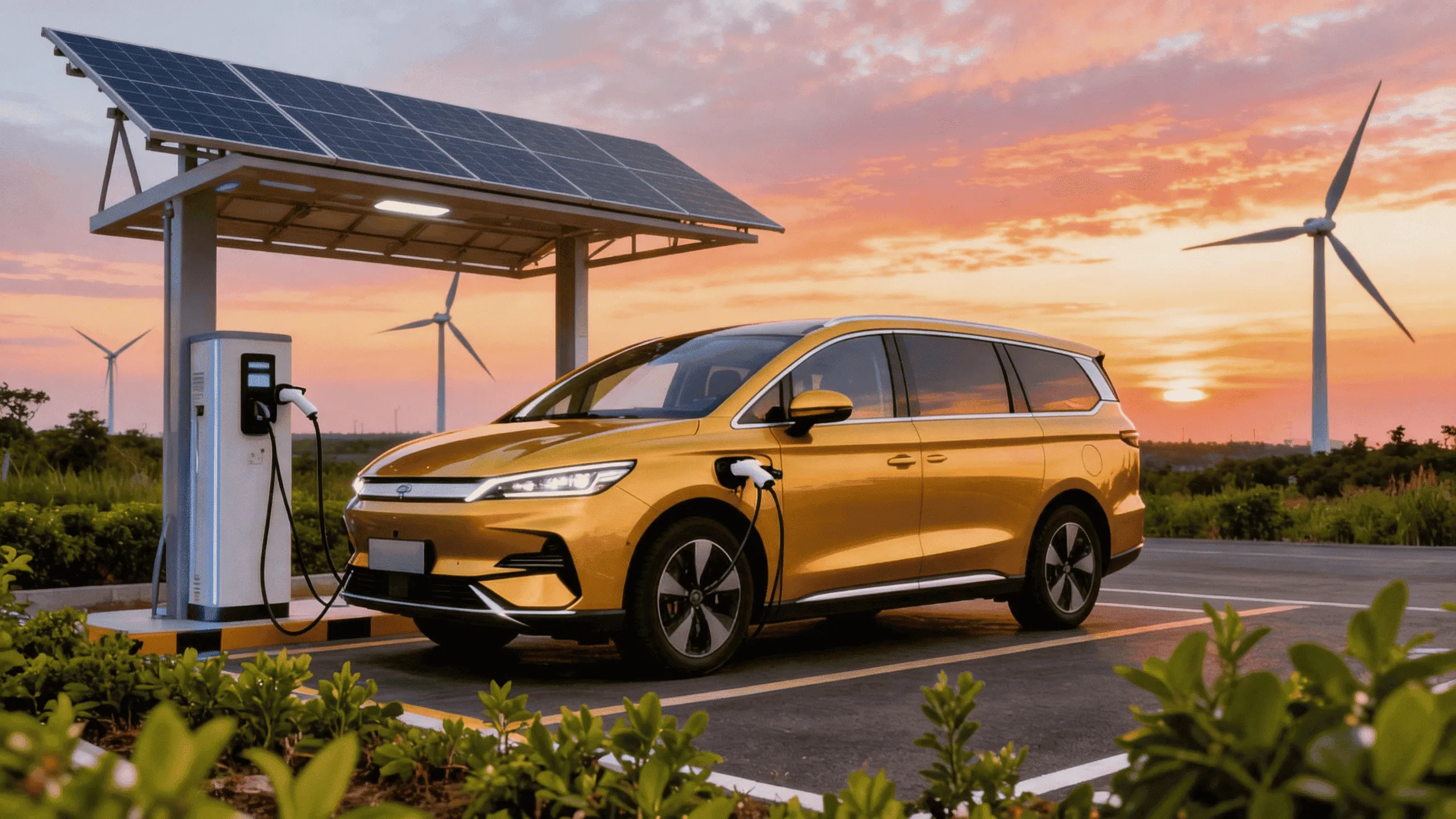
China's charging network exceeds 12 million units, with highway service area coverage above 85%. Range anxiety is no longer a mainstream consumer concern.
Intelligent Experience Creating Differentiation
Chinese automakers' advantages in smart cockpits, ADAS, and OTA updates have made traditional fuel vehicles feel outdated. This is not a technical specification gap—it is a user experience generation gap.
Signals for Global Buyers
62.8% penetration means China's NEV industry has entered its most mature, efficient, and cost-competitive phase. Key signals for overseas buyers:
- Supply Chain Overflow: Domestic capacity and supply chains are actively exporting, including batteries, motors, controllers, and intelligent driving modules.
- Export Product Value Window: The extreme cost-performance products developed in China's competitive market are now being released through exports.
- Technology Iteration Overflow: China's rapid iteration cycle (6-12 months) means overseas users will gain faster access to latest technologies.
Risks and Outlook
The slowing domestic growth rate may trigger more aggressive export competition. Some manufacturers might enter overseas markets with low-price strategies that could damage brand perception. Overseas buyers should prioritize brands with established overseas service networks.
Looking ahead, penetration is expected to approach 70% in the second half of 2026. China will become the world's first million-unit market where NEVs hold absolute dominance, and its supply chain spillover effects will intensify.
【Data Metrics】
- Penetration: 62.8%
- YoY Growth: +22%
- MoM Growth: +12%
EX1000.COM 可查询相关车型海外配置与价格信息。