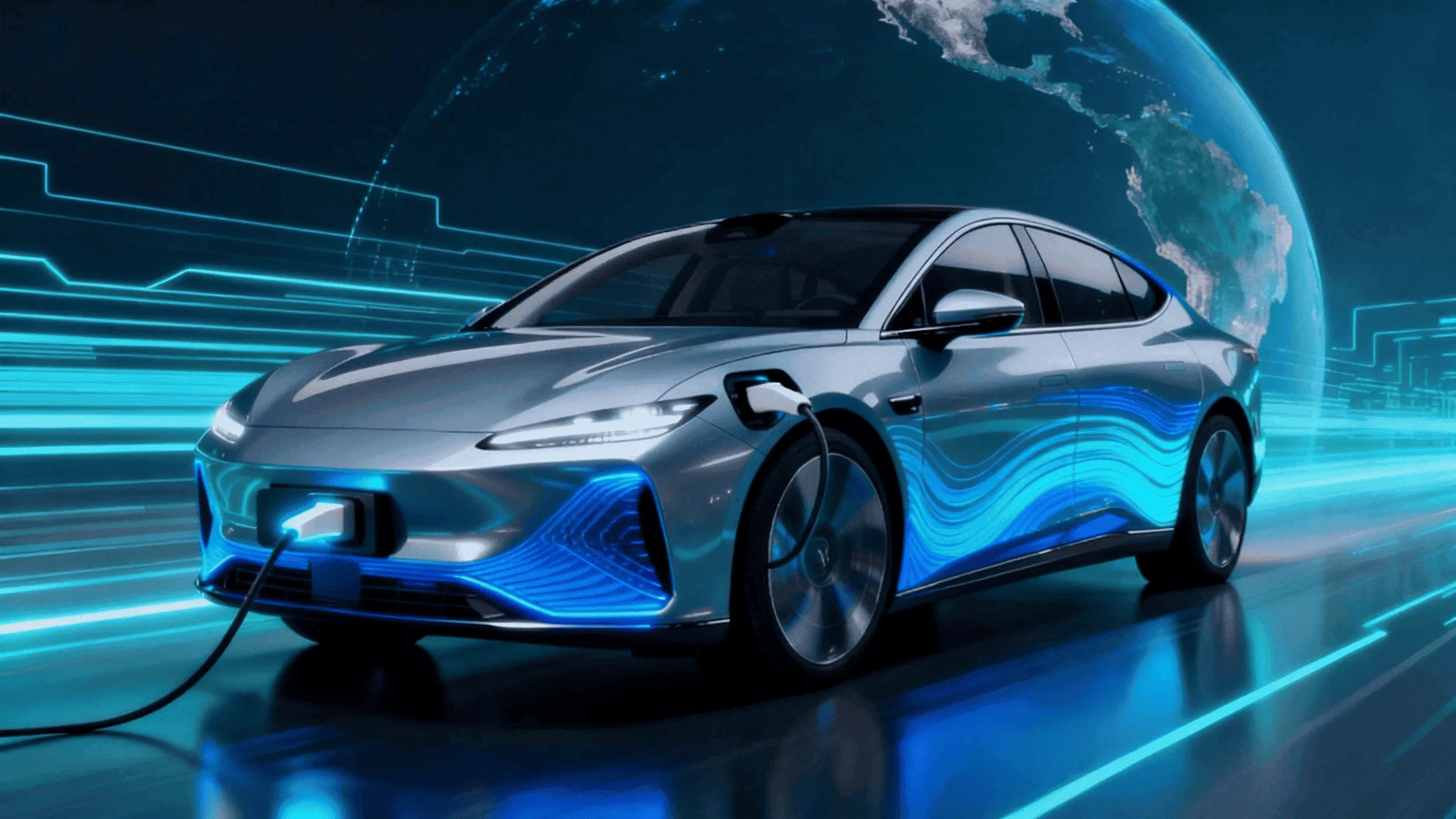
Summary:On March 1, 2026, Canada's import tariffs on Chinese electric vehicles plummeted from 106.1% to 6.1%. This is not merely a numerical change—it marks the first structural crack in the "tariff wall" that Western markets have built against Chinese new energy vehicles.
Tariff Plunge: From 106.1% to 6.1%
The background of this policy adjustment deserves in-depth analysis:
Policy Details
Effective date: March 1, 2026
Tariff reduction: From 106.1% to 6.1%
Quota limit: 49,000 units annual import quota
Applicable models: Mainly budget-friendly EVs
Underlying Logic
The Canadian government explicitly stated that budget-friendly EVs are the focus of policy guidance. Lotus Eletre under Geely, as one of the first vehicles shipped, saw its starting price halved to 119,900 CAD due to the tariff reduction.
Surveys show 53% of Canadian potential EV consumers would consider Chinese brands.
Global Trade Pattern Ripple Effects
Canada's policy adjustment releases important signals:
1. North American Demonstration Effect
As a member of the USMCA, Canada's policy change may influence U.S. market decisions. Industry analysts point out: "If even the most solid ally defense line has loosened, other markets will reassess China EV policies."
2. Opportunity Window for Chinese Automakers
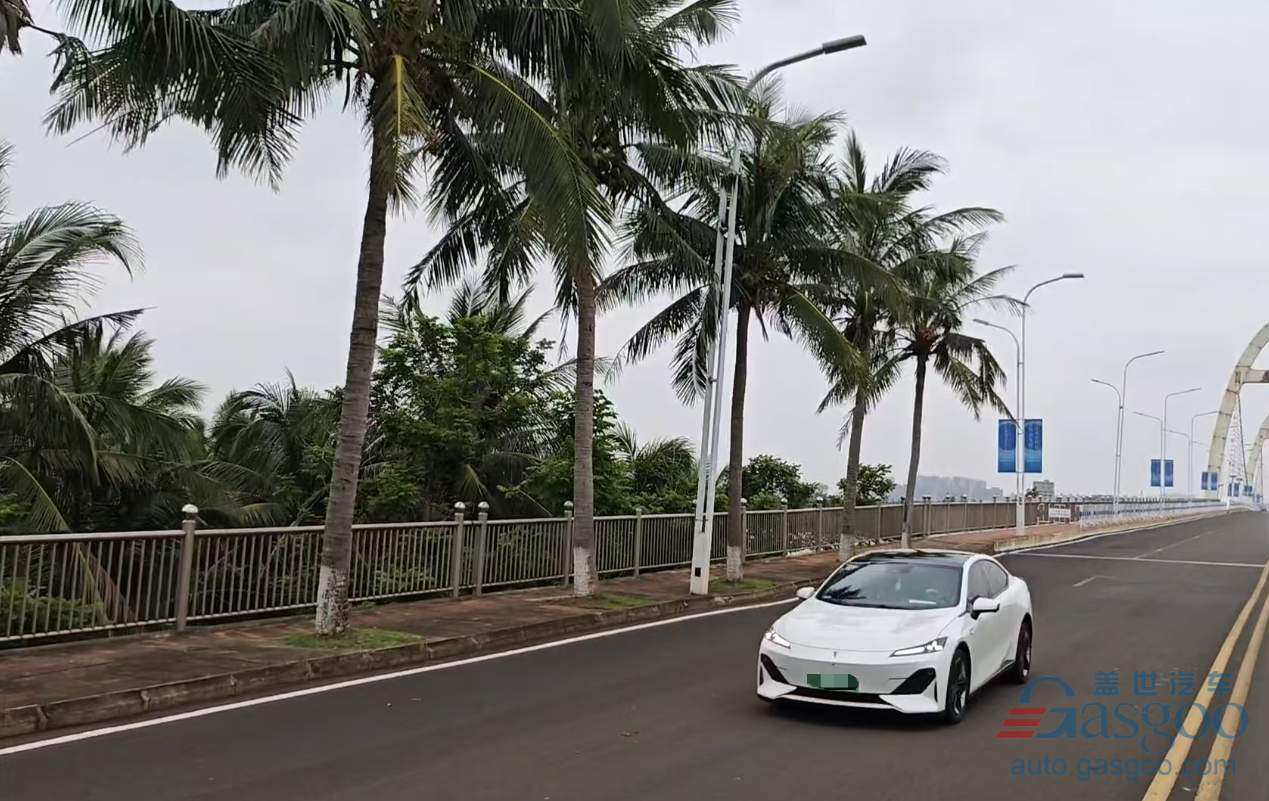
The tariff reduction directly improves price competitiveness of Chinese EVs. Models like BYD Dolphin (approximately 25,000 CAD) are ready to enter the Canadian market and are expected to capture considerable market share.
3. Global Industry Restructuring
Chinese new energy passenger vehicles held 68.3% global market share in 2025. Tariff barrier loosening will further consolidate this advantage.
Implications for Chinese Automakers
1. Diversified Market Layout
Canada's market breakthrough reminds Chinese automakers: Don't put all eggs in one basket. Diversified market layout can effectively spread policy risks.
2. Localization and Cooperation
Even with tariff reductions, pure vehicle export still faces quota restrictions. Localized production or cooperation with local enterprises is the path for long-term development.
3. Focus on Policy Windows
Trade policy windows are often fleeting. EX1000.COM reminds users to monitor changes in trade policies of various countries and seize optimal vehicle purchase timing.
Industry expert ZhaoYang stated: "Canada's 'ice-breaking' is just the beginning. As global supply chain patterns evolve, Chinese new energy technology leadership will become unstoppable."