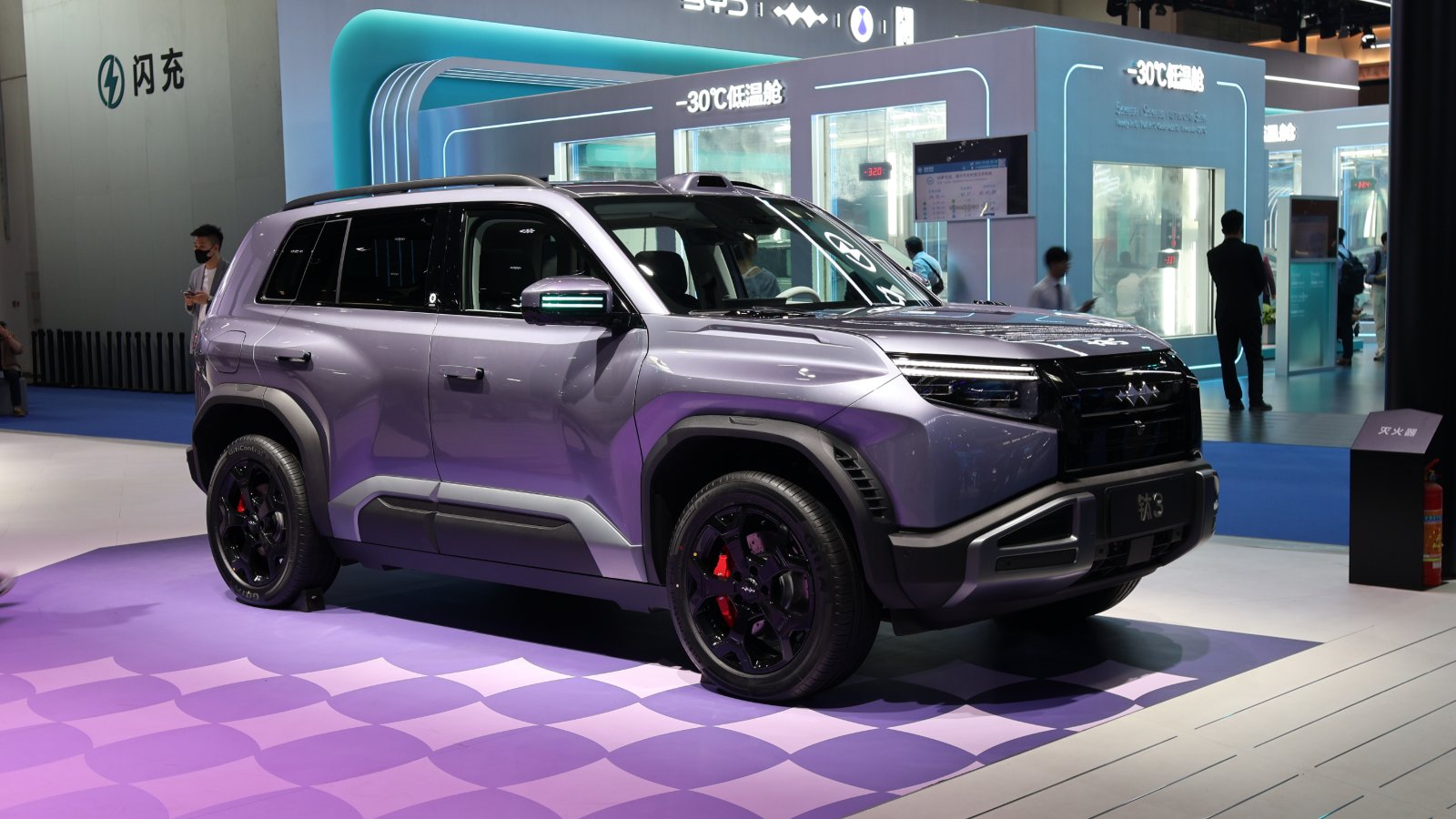
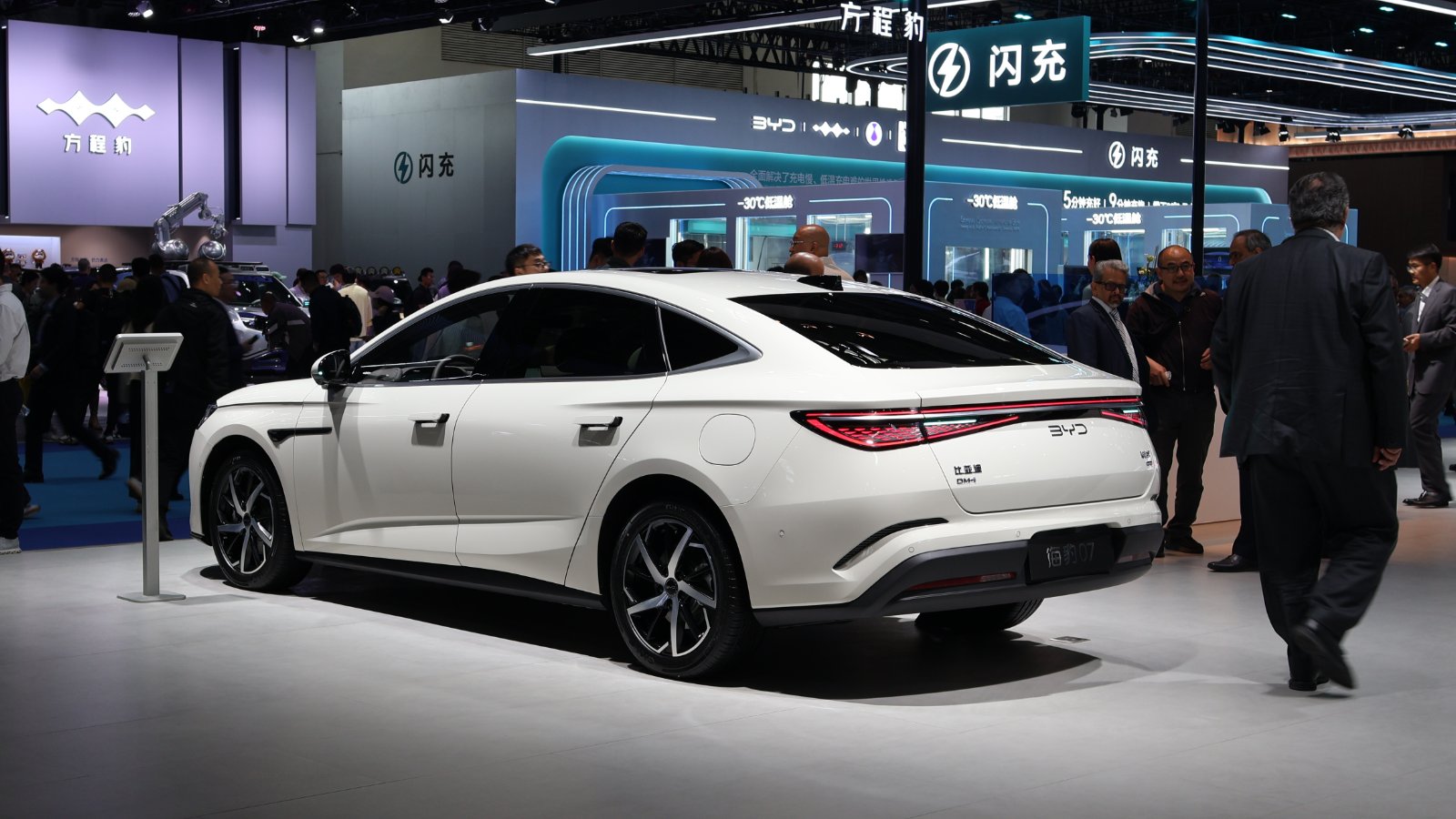
The US withdrew from the Paris Agreement for the second time, while the EU postponed its 2035 ICE ban. Yet the Shanghai International Low Carbon Smart Mobility Exhibition, with nearly 200 exhibitors and 40+ brands, tells a different story. Carbon tariffs have become an unavoidable hard constraint for Chinese automotive exports.
Western Low-Carbon Policy Shifts
In 2026, the pendulum of global low-carbon policy is swinging subtly:
January 27, 2026: The US formally withdrew from the Paris Agreement — its second exit
December 16, 2025: The European Commission rescinded the 2035 ICE sales ban, replacing it with a more flexible scheme requiring automakers to cut average new vehicle CO2 emissions by 90% from 2021 levels by 2035
These adjustments are often interpreted as weakening low-carbon momentum. The reality, however, is quite the opposite.
Shanghai Low Carbon Exhibition: Heat Intensifies, Depth Increases
The recently opened Shanghai International Low Carbon Smart Mobility Exhibition delivered a powerful response:
Nearly 200 companies showcased
40+ global automotive brands participated
Exhibition area exceeded 60,000 square meters
Booths were bustling, forums packed to capacity
After in-depth discussions with Baosteel, HRC, Ree and other supply chain players, Gasgoo sensed a clear signal: low carbon hasn't left the stage; it has moved from "sloganeering" into a new phase of "deep strategic play and execution."
Carbon Tariffs: A Hard Constraint on Going Global
Low carbon has evolved from a "moral consensus" in ESG reports into a geopolitical tool and a hard metric for Chinese automakers' overseas expansion.
Key Policies and Timelines:
Policy/Mechanism | Implementation/Status | Impact on Chinese Automakers |
|---|---|---|
EU CBAM | Trial operation from 2026 | Carbon footprint required for EU exports |
US Paris Agreement Exit | January 27, 2026 | Reduced federal-level constraints |
EU 2035 New Scheme | Announced Dec 16, 2025 | 90% reduction target still binding |
New Battery Regulation | In effect | Full lifecycle carbon footprint required |
Core Insights:
Even as the West adjusts its pace, carbon tariff mechanisms continue advancing
The EU's new scheme is more flexible, but the 90% reduction target remains stringent
Compliance is assessed on a 2025-2027 three-year average, leaving limited time for automakers
Why Chinese Automakers Can't Step Back
For automakers committed to globalization, low carbon is not optional — it's mandatory:
Market access threshold: EU CBAM and new battery regulations have made carbon footprint a hard requirement
Brand premium capability: Low-carbon manufacturing directly affects pricing power in Western markets
Supply chain security: From battery materials to vehicle production, full-chain decarbonization is the trend
China's steel, chemical, and materials industries are accelerating low-carbon transformation. Leaders like Baosteel have made breakthroughs in green metallurgy and short-process steelmaking, providing foundational support for Chinese auto exports to meet carbon footprint standards.
Perspective for Overseas Buyers
For buyers in Central Asia, Russia, and Belt and Road markets, understanding Chinese automakers' low-carbon investment logic is crucial:
Chinese automakers' low-carbon competitiveness is transforming from compliance cost to product premium
Automakers with full lifecycle decarbonization capabilities will take the initiative in global competition over the next 5-10 years
EX1000.COM will continue tracking Chinese automakers' latest progress in carbon footprint management and green supply chains