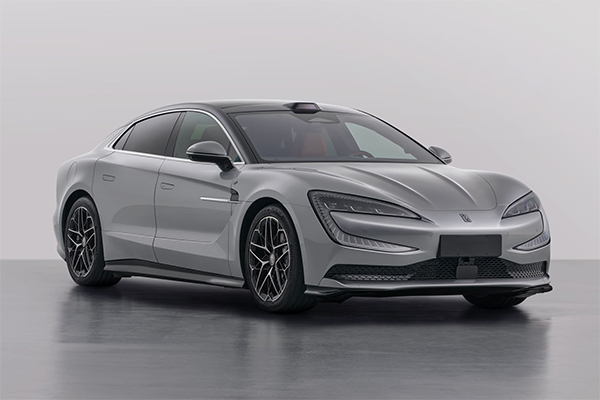
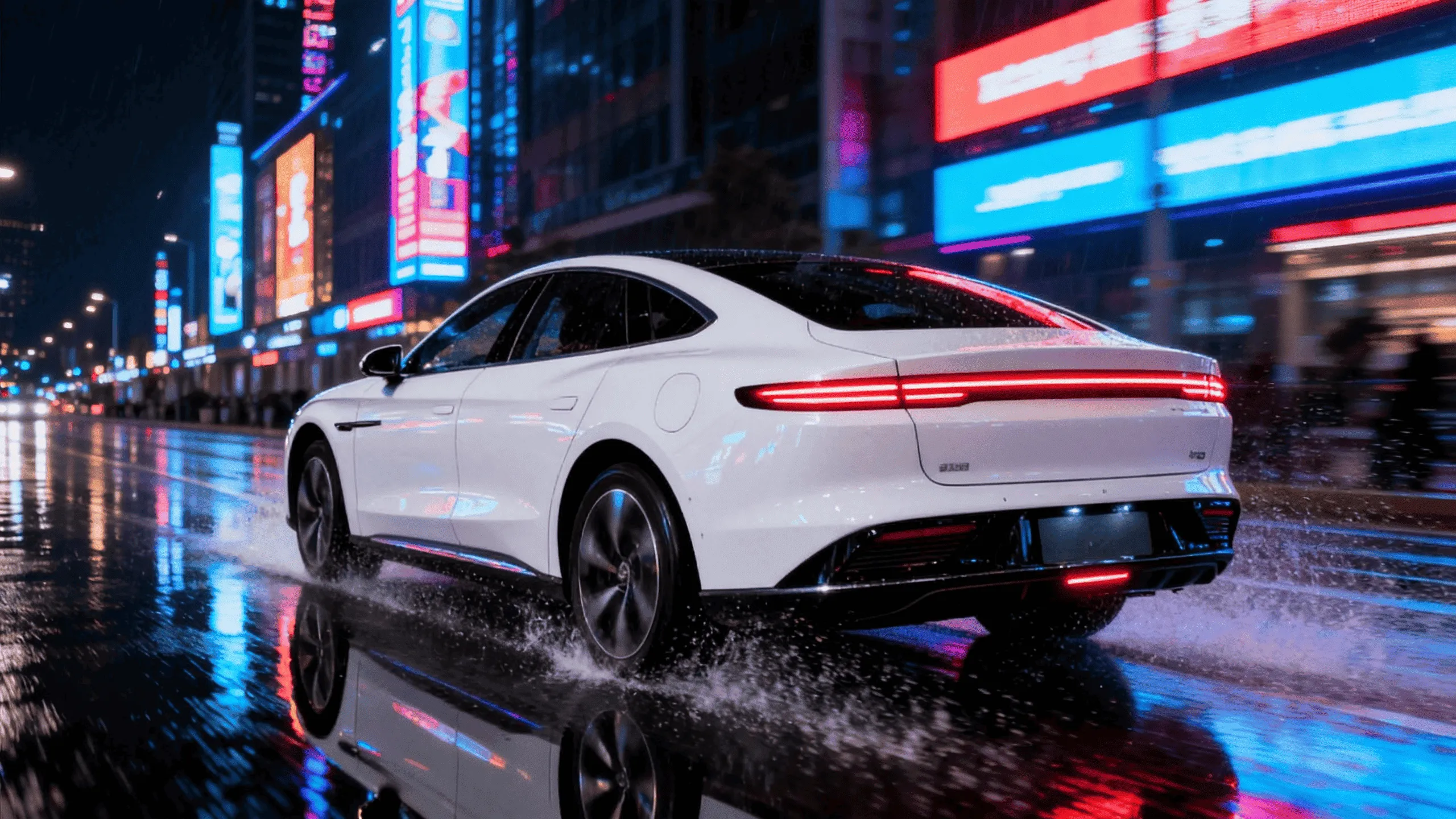
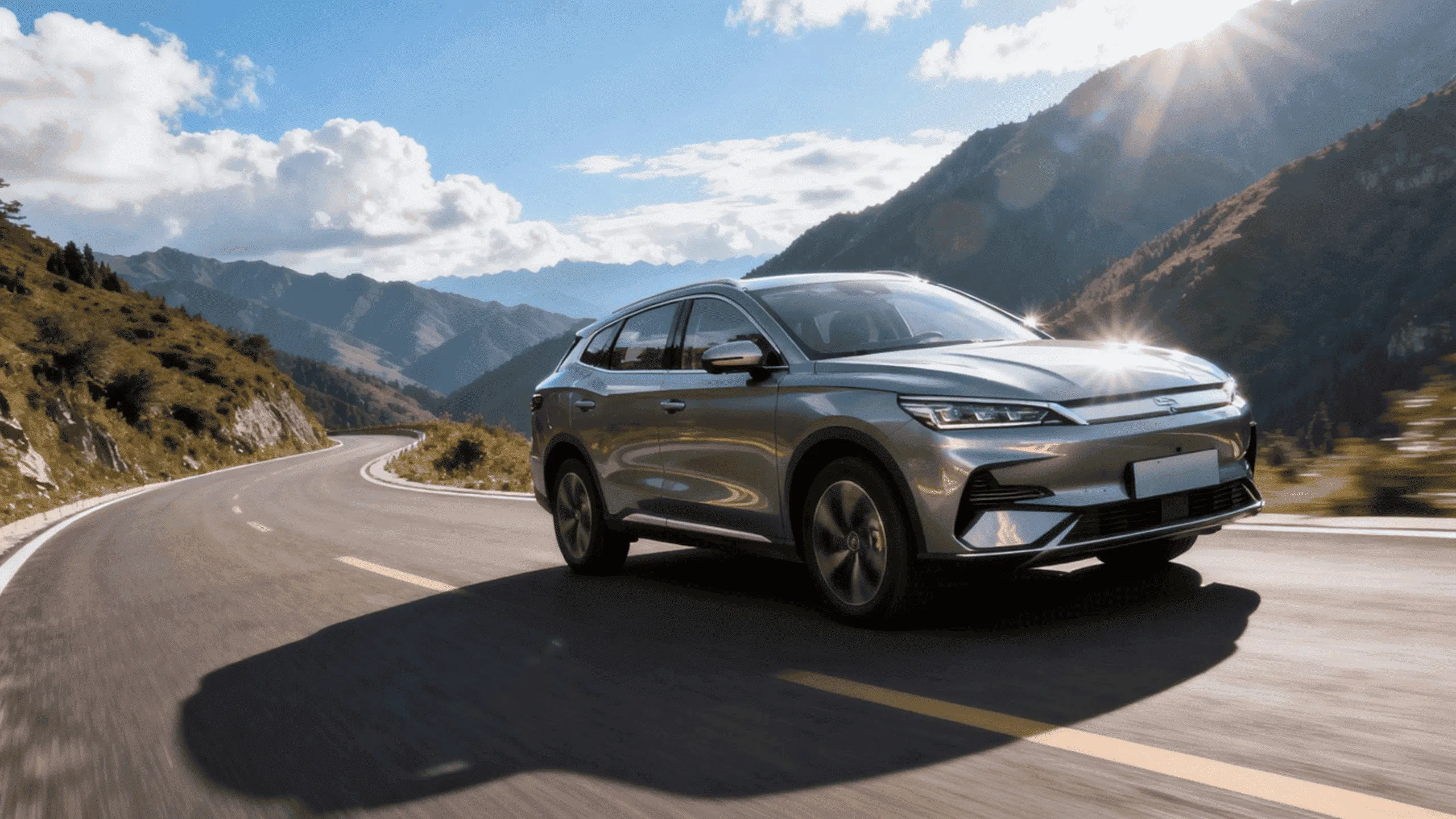
In June 2026, BYD announced that its Super e-Platform and "Megawatt Flash Charging" technology have officially entered mass production. The technology achieves a maximum charging rate of 10C, with measured charging power exceeding 1000kW, replenishing over 2km per second, providing 400km range in just 5 minutes. BYD is simultaneously planning 4,000 megawatt flash charging stations, fundamentally rewriting the EV refueling experience.
In June 2026, BYD released the epoch-making "Megawatt Flash Charging" technology, marking China's entry into the kilovolt high-voltage era for new energy vehicle charging.
Technical Breakthrough: Three "World's Firsts"
BYD's Super e-Platform sets three global mass production records:
Highest Charging Rate:Supports maximum 10C charging rate, elevating power battery charging rates to the industry's highest level. The previous industry mainstream was 4C-5C.
Highest Charging Power:Measured charging power exceeds 1000kW, replenishing over 2km per second, providing 400km range in just 5 minutes. This is equivalent to 5-10 times the power of traditional fast charging piles.
Mass Production Voltage Level:Creates the world's first mass-produced passenger vehicle full-domain kilovolt high-voltage architecture, raising the vehicle voltage platform from 400V/800V to 1000V level, significantly reducing charging current and line losses.
Megawatt Flash Charging Station Construction
To support the deployment of megawatt flash charging technology, BYD is simultaneously planning 4,000 megawatt flash charging stations. The first batch of stations has been deployed in core cities including Shenzhen, Shanghai, and Guangzhou, with plans to cover major first- and second-tier cities by the end of 2026, and expand to highway service areas and third- and fourth-tier cities in 2027.
Megawatt flash charging stations adopt liquid-cooled ultra-fast charging technology, with single-pile maximum power of 1200kW, capable of simultaneously providing ultra-fast charging for 4 EVs. The charging gun cable adopts lightweight design, weighing only 30% of traditional fast charging guns, allowing single-hand operation even by female users.
Industry Impact
The mass production of megawatt flash charging technology will profoundly affect the new energy vehicle industry:
Eliminating Range Anxiety:400km range in 5 minutes means EV refueling experience has approached ICE vehicle refueling levels. Consumers will no longer hesitate to purchase EVs due to long charging times.
Reshaping Charging Infrastructure:Megawatt flash charging station construction will drive upgrades across the industrial chain including power grid transformation, energy storage integration, and intelligent scheduling. Traditional 60kW-120kW fast charging piles may face obsolescence pressure.
Technology Route Divergence:BYD's 10C rate charging poses extremely high requirements for battery thermal management. Lithium iron phosphate batteries, with their inherent safety advantages, are more suitable for high-rate charging, while ternary lithium batteries require more complex thermal management systems. This may influence future power battery technology route selection.
Accelerating Oil-to-Electric Switch:When EV refueling experience is equivalent to ICE vehicles, while operating costs are only 1/5 of ICE vehicles, consumers will accelerate the shift from ICE vehicles to EVs.
Competitor Responses
Faced with BYD's megawatt flash charging technology, competitors are accelerating ultra-fast charging deployment:
CATL: Launched third-generation Kirin Battery, supporting 8C charging rate, planned for mass production in H2 2026
NIO: ET9 features full-domain 900V high-voltage architecture, supporting 5-minute replenishment of 255km range
XPeng: G9 comes standard with 800V high-voltage SiC platform, supporting 480kW ultra-fast charging
Li Auto: MEGA equipped with Kirin 5C battery, 12 minutes for 500km replenishment
Zeekr: 001 FR supports 800kW ultra-fast charging, 10%-80% in just 15 minutes
Technical Challenges
The popularization of megawatt flash charging still faces challenges:
Grid Load:1000kW-level ultra-fast charging creates massive impact on distribution networks, requiring supporting energy storage systems and intelligent scheduling. A single megawatt flash charging station's power load is equivalent to 100 households, with grid expansion costs being substantial.
Battery Life:High-rate charging may accelerate battery aging. BYD mitigates this through intelligent temperature control and segmented charging algorithms, but long-term effects still require validation.
Standard Unification:Currently, various automakers' ultra-fast charging standards differ (BYD megawatt flash charging, NIO battery swap, XPeng 800V, etc.), with charging interfaces and protocols not yet unified, potentially affecting user experience.
Cost Pressure:Megawatt flash charging pile unit prices are approximately 5-8 times that of traditional fast charging piles, plus power grid transformation and energy storage integration, with single-station investment exceeding 5 million yuan.
Market Outlook
未来市场趋势:
新能源汽车渗透率将持续攀升,全年有望突破60%
中国品牌乘用车市占率稳步增长,或将突破75%
汽车出口规模持续扩大,全年出口有望突破1000万辆
以旧换新政策将进一步刺激内需恢复
The mass production of BYD's megawatt flash charging technology marks China's entry into the "refueling worry-free" era for new energy vehicles. With the advancement of 4,000 flash charging stations, major Chinese cities will achieve a "5-minute charging circle" by 2027.
This technological breakthrough not only enhances BYD's product competitiveness but will also drive the entire industry's charging standard upgrade. In the next 2-3 years, 10C-level ultra-fast charging is expected to become standard for new energy vehicles priced above 200,000 yuan.
EX1000.COM believes that megawatt flash charging technology represents another landmark breakthrough in China's new energy vehicle industry chain. From Blade Battery to DM-i Super Hybrid, and now to megawatt flash charging, BYD continues to lead industry development through technological innovation. This technology will accelerate global new energy vehicle adoption and provide stronger technical backing for Chinese automotive exports.