In June 2026, as BYD, Great Wall, NIO and other brands accelerate European expansion, Chinese auto export faces a critical transformation from "product export" to "brand rooting". European market compliance thresholds, brand perception, and consumer trust constitute three major mountains Chinese OEMs must cross.
European Market Status: Chinese Brands Enter Acceleration Phase
In 2026, Chinese auto brands' European layout enters a new phase:
| Brand | European Progress | Core Strategy | Key Challenges |
|---|---|---|---|
| BYD | Dolphin, Seal, ATTO 3 launched | BEV + PHEV dual line | Low brand awareness |
| NIO | Battery swap stations in Norway, Germany, Netherlands | Swap mode + premium service | High operating costs |
| Great Wall | Ora, Wey enter multiple European countries | Differentiated products | Lagging channel construction |
| Zeekr | Direct stores in Sweden, Netherlands | Premium positioning | Capacity and delivery |
| XPeng | Sales in Denmark, Norway, Sweden | ADAS selling point | Software localization |
Chinese brands' core advantages in Europe: Smart cockpit, ADAS, connected services, value for money. Core disadvantages: Low brand awareness, weak after-sales networks, high compliance costs.
Compliance Challenges: EU Regulations' Triple Threshold
Chinese OEMs entering Europe must cross three compliance thresholds:
- Type Approval: EU WVTA certification is complex, 12-18 month cycle, costing millions of euros per model
- Carbon Emissions: EU 2025 new car average target 95g/km, 2035 ICE ban. Chinese NEVs must meet full lifecycle carbon footprint requirements
- Data Security: GDPR's strict user data protection requirements, cross-border data transmission for smart vehicles faces compliance scrutiny
More severely, the EU is brewing anti-subsidy investigations and potential tariff measures against Chinese EVs. If implemented, this would directly impact Chinese EVs' price competitiveness in Europe.
Brand Perception: From "Made in China" to "Smart China"
European consumer perception of Chinese auto brands remains in early stages:
- Awareness: BYD, NIO have some recognition in certain countries, but most consumers cannot accurately describe brand positioning
- Trust: Widespread concerns about quality, safety, and after-sales of Chinese cars
- Price Sensitivity: European consumers are willing to pay premiums for brand and trust; low-price strategies have limited effect
Paths to change perception:
- Product Experience: Low-threshold test drives, rentals to let European consumers experience Chinese cars firsthand
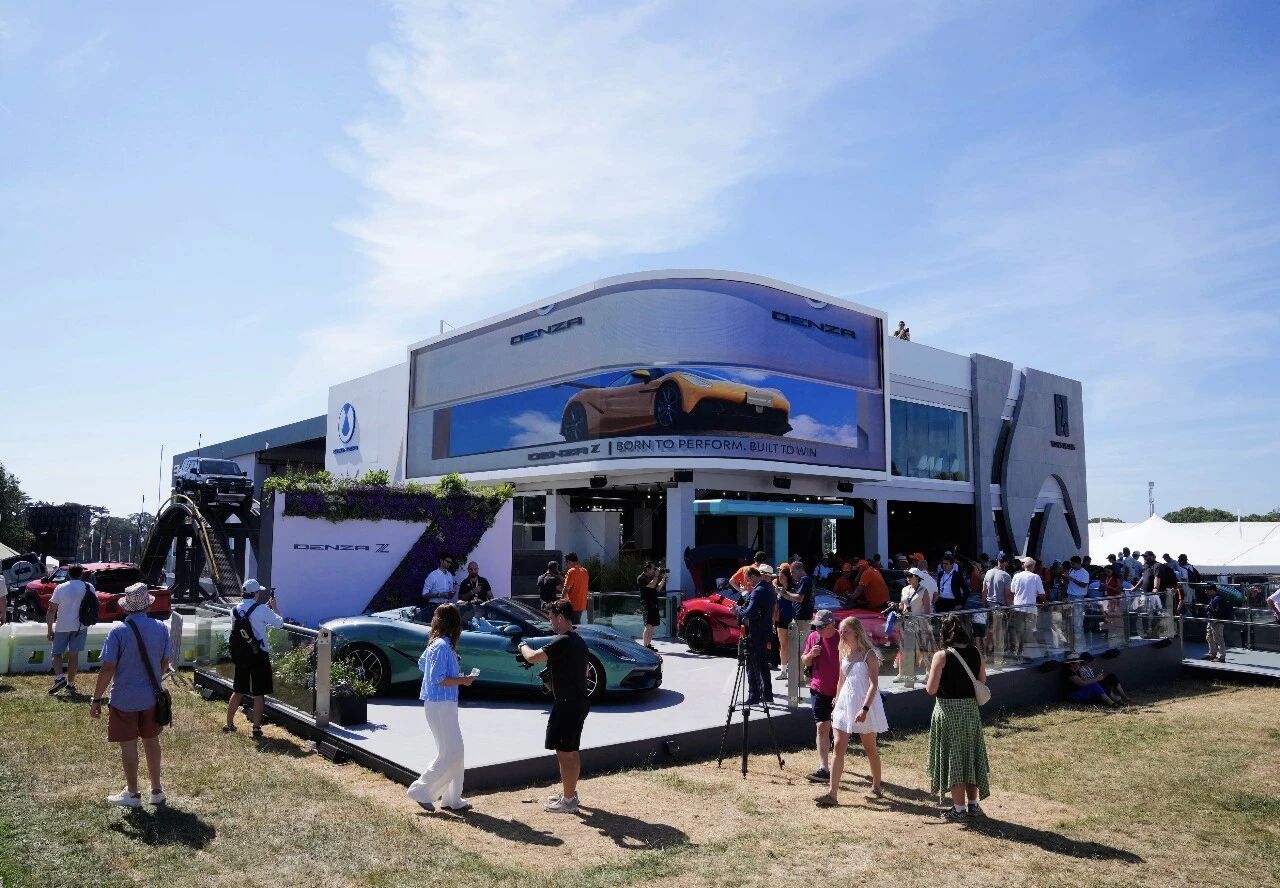
- Event Marketing: Participation in local racing events or evaluations to build professional image
- Localized Operations: Hiring local teams to tell Chinese brand stories in European ways
- Service Networks: Building reliable after-sales and parts supply systems to eliminate consumer concerns
For observers in Central Asia, Russia, and other markets, European market experience has important reference value:
- European compliance requirements often become reference standards for global markets
- Chinese OEMs' brand building investments in Europe indirectly enhance their global brand image
- Through EX1000.COM and other platforms, overseas buyers can track Chinese OEMs' progress and strategy adjustments across global markets
Outlook: From Export to Rooting — A Protracted War
Chinese auto export to Europe is transitioning from "product export" to "brand rooting". Characteristics of this phase:
- Short-term focus not solely on sales volume, but on brand awareness and user experience
- Accepting lower profit margins in exchange for market share and user口碑
- Investing long-term resources in local teams, channels, and service networks
Success in Europe will set a benchmark for Chinese automotive globalization. If Chinese brands can establish themselves in Europe, the world's highest-standard auto market, expansion into other global markets will be事半功倍.