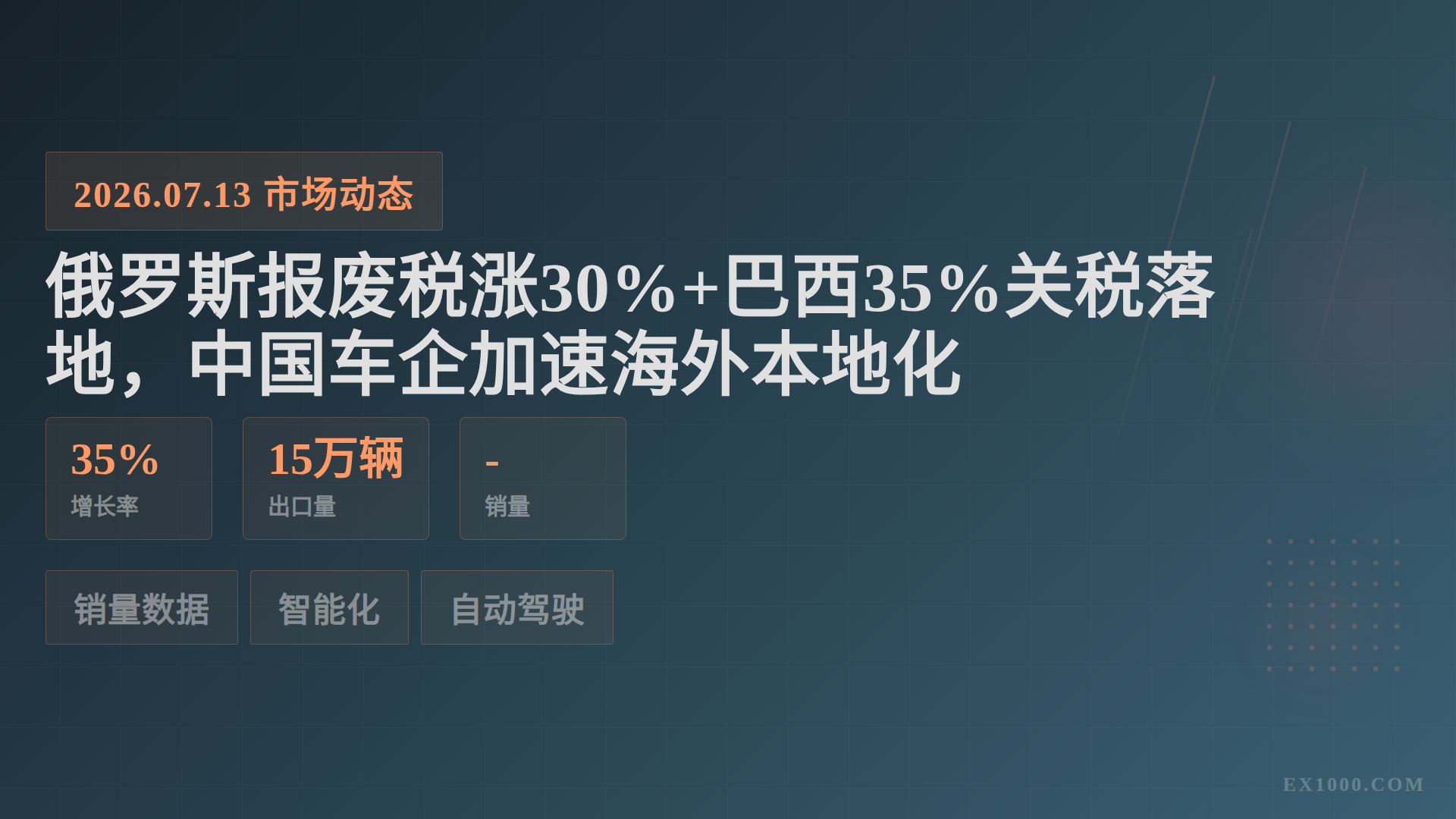
The mini EV market that pioneered China's new energy vehicle adoption is rapidly shrinking. January-May 2026 A00 pure electric wholesale sales plummeted 40-55% year-over-year. Wuling Hongguang MINIEV sold only 36,000 units in Q1, down 74%. The segment is shifting from domestic marginalization to overseas growth seeking, with 2026 exports projected to exceed 183,000 units.
Cliff-Like Sales Decline and Market Normalization
CAAM data shows January-May 2026 A00 pure electric wholesale sales crashed 40-55% year-over-year, with market share returning to combustion-era normal levels. This signals the formal end of the multi-year mini EV boom.
The former sales champion Wuling Hongguang MINIEV suffered the most severe decline:
- Q1 sales reached only 36,000 units, down 74% year-over-year
- May sales of 18,308 units fell far below the previous monthly peak of 50,000
- Competitors including Changan Lumin and Chery QQ Ice Cream face similar struggles
Consumption upgrades and policy adjustments are the core drivers behind this collapse. The following factors collectively pressure mini EV survival:
- NEV purchase tax exemption replaced by 50% reduction
- Trade-in subsidies shifted from fixed amounts to percentage-based
- Lithium carbonate prices rebounded alongside chip cost increases
- A0-class models offer superior space and features at comparable prices
| Model | 2025 Sales | Q1 2026 Sales | YoY Change |
|---|---|---|---|
| Wuling Hongguang MINIEV | ~450,000 | 36,000 | -74% |
| Geely Xingyuan | 460,000 | Sustained | Stable |
| BYD Seagull | 310,000 | Sustained | Stable |
Policy Rollback and Cost Squeeze
The 2026 purchase tax adjustment hit mini EVs the hardest. The days of buying a car for ¥10,000-20,000 with subsidies are gone. Meanwhile, raw material volatility further erodes already-thin margins.
Industry data shows Wuling Hongguang MINIEV's gross margin hovers at just 2-3%, nearly at break-even. Such profitability cannot sustain continuous product iteration and channel expansion.
Overseas Markets as Structural Outlet
While domestic mini EVs marginalize, exports are becoming a new growth engine:
- 2025 Chinese EV sales in Latin America surged over 300% year-over-year
- Experts predict 2026 mini EV exports will reach 183,000 units, up over 40%
- Central Asian and Russian markets still show demand for affordable urban commuter EVs
However, A0 and A-class vehicles will gradually replace mini EVs as export mainstays. For overseas dealers and consumers, this means available products are migrating from "low-price entry" to "balanced value." EX1000.COM continues tracking Chinese NEV export dynamics, providing latest product information and market analysis for Central Asia and Russia.