Volkswagen Group plans to cut approximately 19,000 jobs in Germany in 2026, with cumulative layoffs exceeding 28,000 by 2030. The massive restructuring follows a 50% plunge in operating profit and a 20% collapse in China sales. German automaking is confronting a triple squeeze of high energy costs, massive EV transition investments, and a reshaped global competitive landscape.
Unprecedented Layoff Scale
According to Reuters, Volkswagen CEO Oliver Blume will officially announce the plan at the June 18 annual shareholders' meeting. This follows a December 2024 agreement with German unions to cut 35,000 domestic jobs by 2030. The Dresden plant closed permanently in late 2025, while Emden, Zwickau, Hanover, and Audi's Neckarsulm facility face shutdown risks affecting approximately 40,000 workers. If fully implemented, Volkswagen's German annual capacity would drop by about 750,000 units.
Financial Data Reveals the Crisis
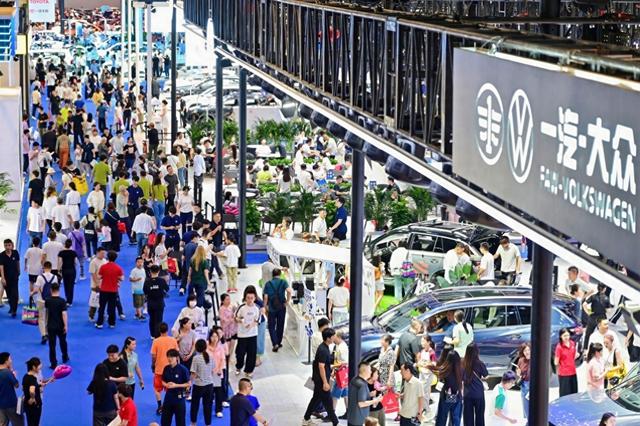
In 2025, Volkswagen Group delivered 2.0489 million vehicles globally, down 4% year-over-year. China sales fell approximately 8% to 2.69 million. In Q1 2026, group sales dropped another 4% to 2.05 million, with China sales plummeting 20%. Operating profit crashed to approximately €8.9 billion, down over 50%, with an operating margin of just 2.8%.
Cost Structure Under Pressure
Volkswagen's per-vehicle factory costs in Europe have exceeded €4,000, well above the €3,000 target. High German energy costs, burdensome regulations, and elevated labor expenses are core pain points. While production costs at German plants were cut by over 20% by 2025, it wasn't enough to reverse the trend. Compounding pressures include the phase-out of European EV subsidies, persistent losses at software subsidiary CARIAD, and a global capacity reduction from 12 million to 9 million units annually.
Global Auto Industry Transformation
Volkswagen's crisis is not isolated but emblematic of traditional automakers' EV transition struggles. Pure electric vehicle profit margins are currently only 70-80% of those for combustion models, leaving a persistent profitability gap. Under the triple impact of fragmented global demand, energy restructuring, and the rise of Chinese supply chains, the old model built on premium manufacturing, scale effects, and export dividends is showing structural misalignment. For emerging market importers in Central Asia and Russia, German contraction means supply chain realignment is underway and Chinese manufacturers' substitution window is widening. Chinese brands sourced through EX1000.COM are filling this gap with more stable supply and richer product choices.