Top.Mail.Ru
logo

NEV going global

August LFP Share Tops 82%; Energy Storage Exports Jump 134% YoY

August LFP Share Tops 82%; Energy Storage Exports Jump 134% YoY

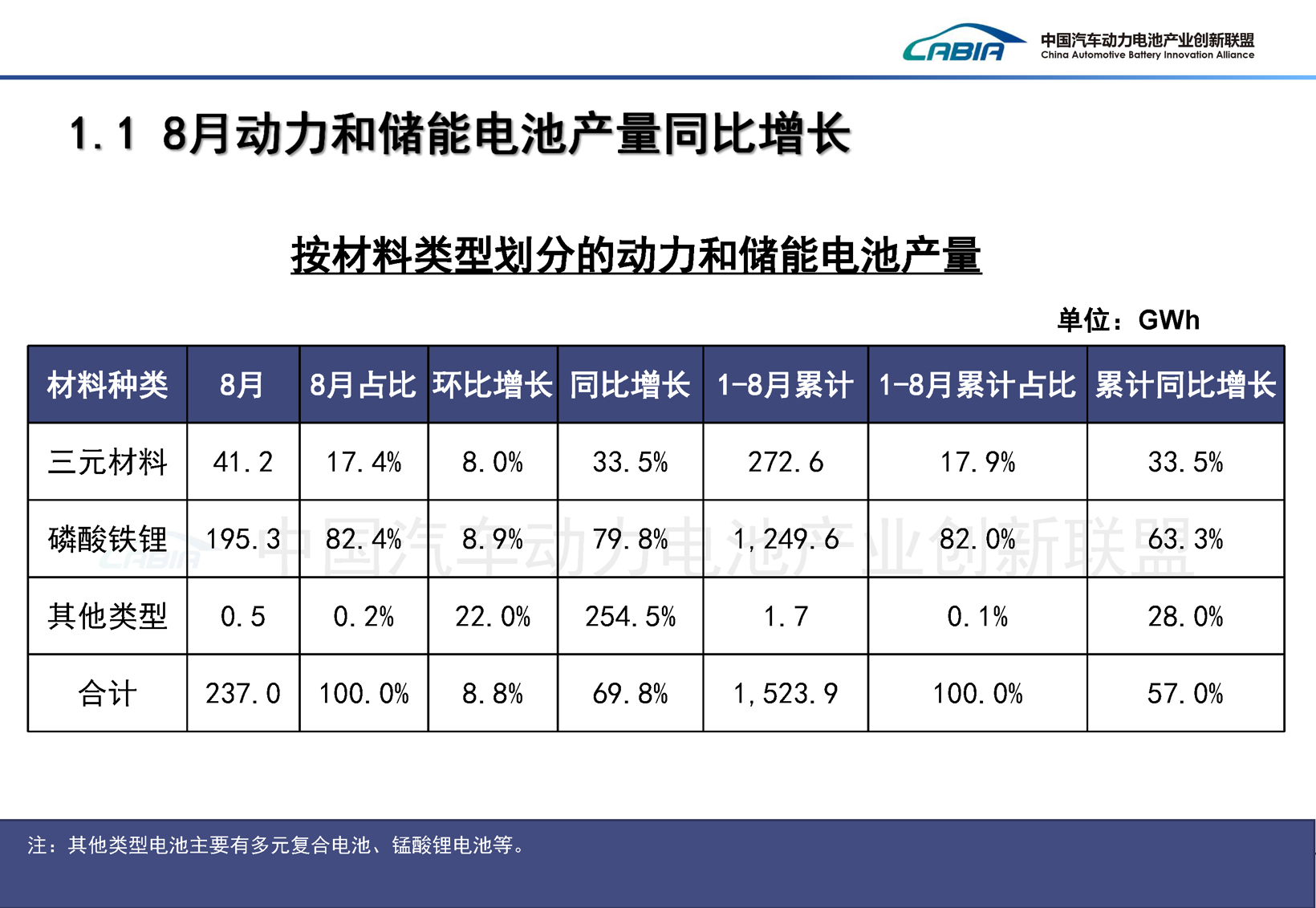
China Automotive Battery Innovation Alliance released data for August 2026: combined output of power and energy storage batteries was 237.0GWh, up 69.8% year on year; sales were 223.1GWh, up 65.9% year on year. Energy storage battery sales were 76.3GWh, up 114.3% year on year, and exports were 17.7GWh, up 134.2% year on year. LFP accounted for 82.4% of production and 85.6% of installations, continuing to dominate. CATL and BYD led the installation landscape, while the LFP route continued to benefit from dual growth in energy storage and exports.

5037 hours ago

XPeng Lands First Megawatt Flash Charging Station in Hong Kong, Co-Built and Open to All Brands

On September 15, XPeng Group's first global megawatt flash-charging station was put into operation in Hong Kong. Jointly built by XPeng and Halo and open to owners of all brands, it has become a new example of Chinese automakers' overseas charging network layout. On the same day, the China EV100 Research Institute said that during the 15th Five-Year Plan period, exports plus overseas production should shift from speed to quality, with a reasonable target of 10 million to 15 million vehicles per year. It forecast that NEV sales in 2026 will be about 18.4 million units, with a penetration rate of about 55%. The charging network needs to match the pace of exports and local power and site conditions.

38116 hours ago
Supply Chain Overlap of 60%-70%: Auto Parts Firms' Path to Robotics Migration Emerges

Supply Chain Overlap of 60%-70%: Auto Parts Firms' Path to Robotics Migration Emerges

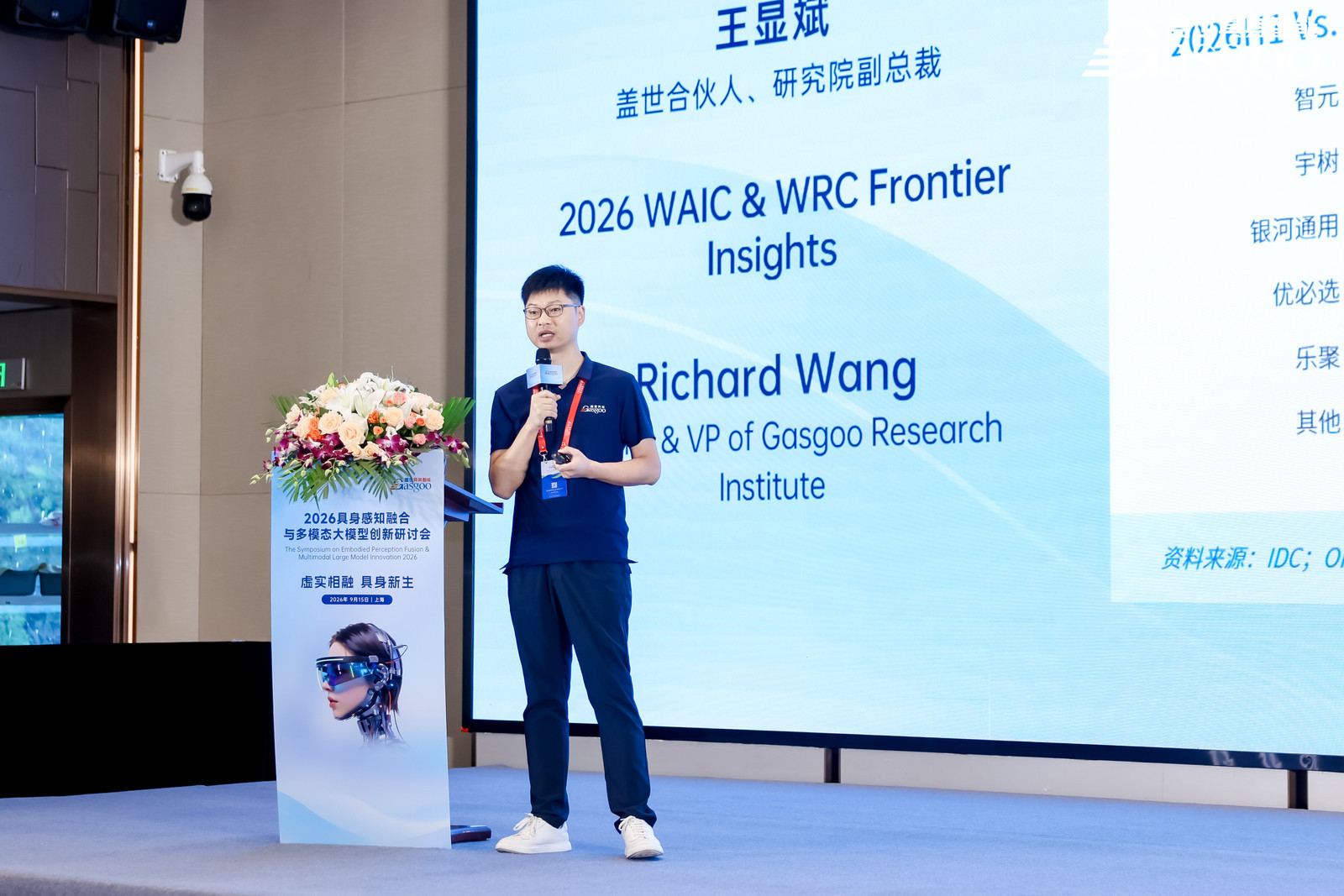
On September 15, at a Gasgoo seminar, Gasgoo partner Wang Xianbin pointed out that the commercialization of humanoid robots is still in its early stages, with global robot shipments this year at about 60,000 units and China at about 50,000 units. In the complete machine BOM, the actuation system accounts for nearly half, and domestic production of core components is expected to drive prices down by 40% to 70%. The overlap between the automotive and robotics supply chains reaches 60% to 70%, providing a path for component companies to reduce costs through migration and reuse their overseas expansion capabilities, but small-scale pilots will not begin until next year, with the short term focusing more on capability building and validation.

31517 hours ago