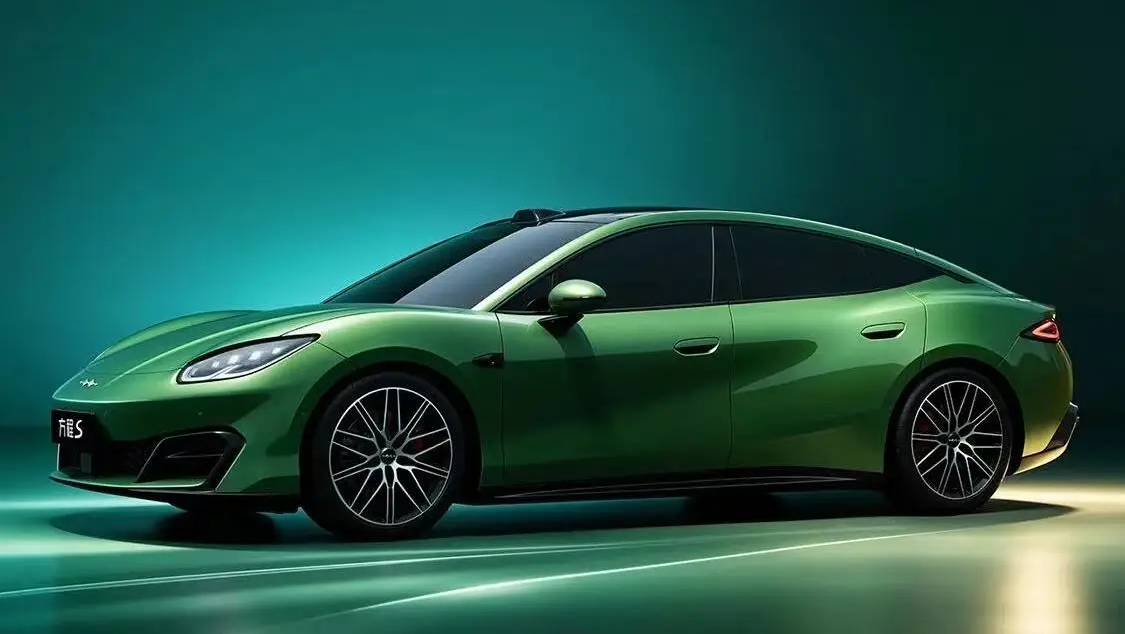
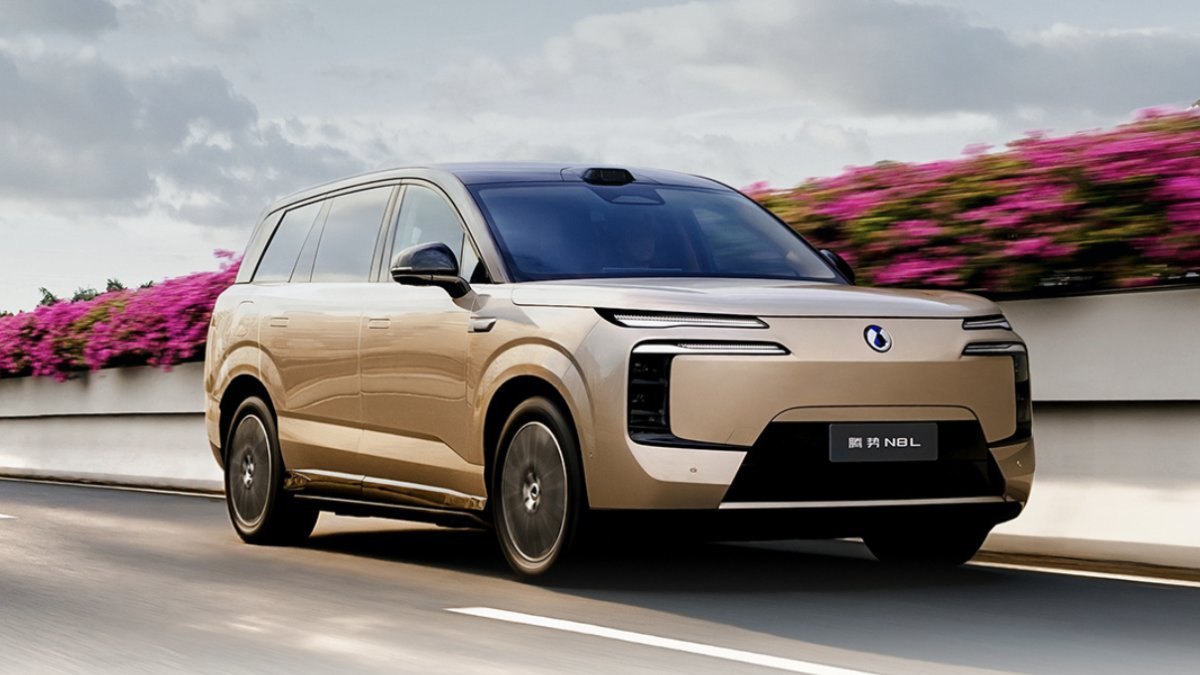
BAIC Group's Arcfox brand has filed a battery-swap version of its Beta T1 small EV, adopting CATL's Choco-SEB swap system with vehicle-battery separation sales. The current charging version starts at RMB 62,800 with limited-time subsidies; the swap version could further lower the purchase barrier.
Filing Details: Swap-Enabled Beta T1 Appears in MIIT Directory
The latest batch of new vehicle filings from China's Ministry of Industry and Information Technology (MIIT) shows that Arcfox's Beta T1 small electric vehicle has completed regulatory filing for its battery-swap variant. An optional CATL Choco-SEB swap badge on the side of the body confirms the model will connect to CATL's swap network.
Vehicle-battery separation allows consumers to purchase the vehicle body alone and lease the battery, significantly lowering the purchase threshold. Arcfox previously adopted CATL's Choco-SEB swap solution on the Beta S3, where the swap version started at RMB 59,800 under the battery leasing scheme—RMB 20,000 below the charging version's RMB 79,800 starting price.
Vehicle Specifications and Positioning
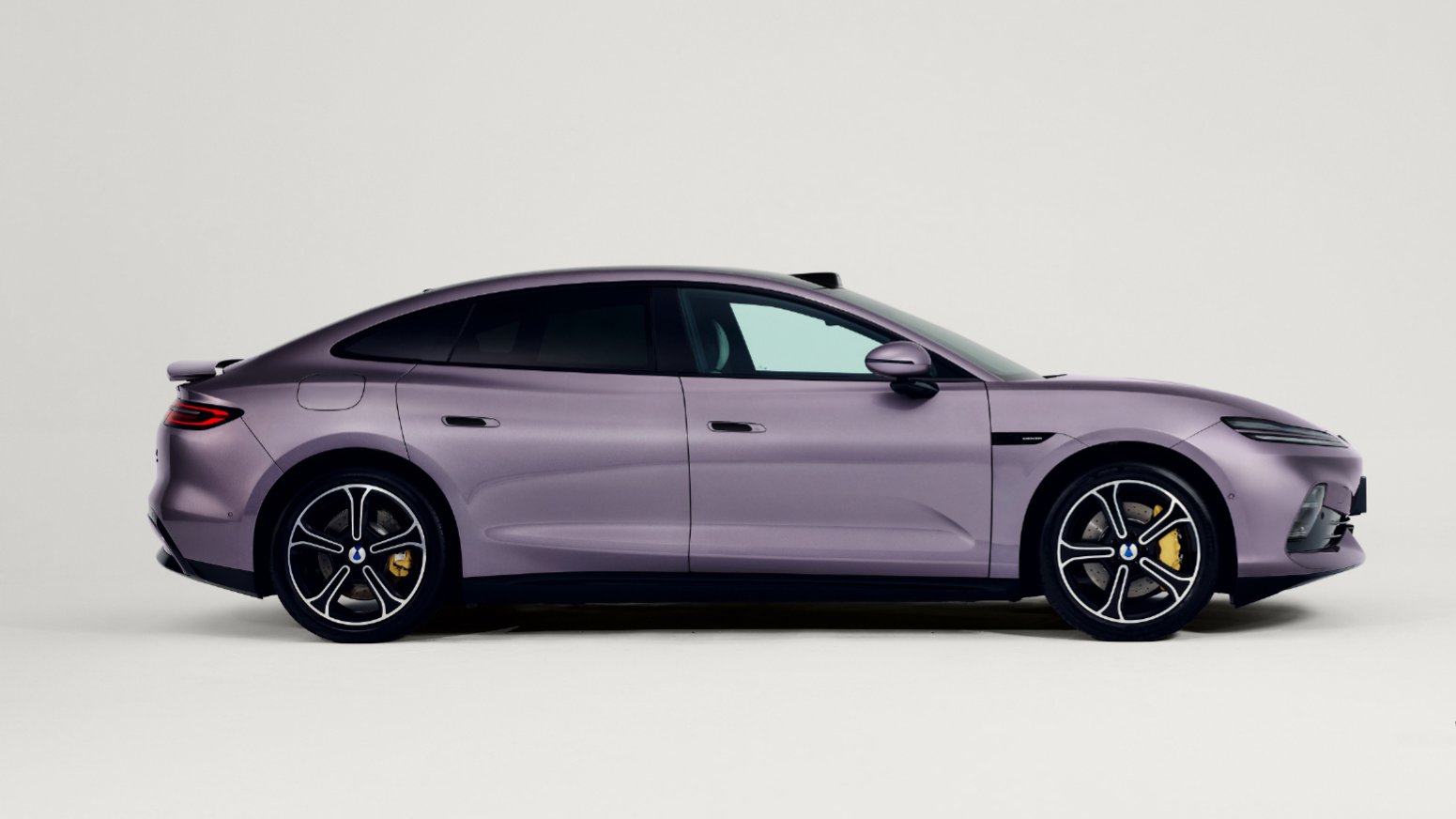
The battery-swap Beta T1 is dimensionally identical to the on-sale version:
- Dimensions: 4,375 × 1,860 × 1,572 mm
- Wheelbase: 2,770 mm
- Seats: 5
- Drive motor peak power: 95 kW
- Top speed: 150 km/h
- Curb weight: 1,555 kg
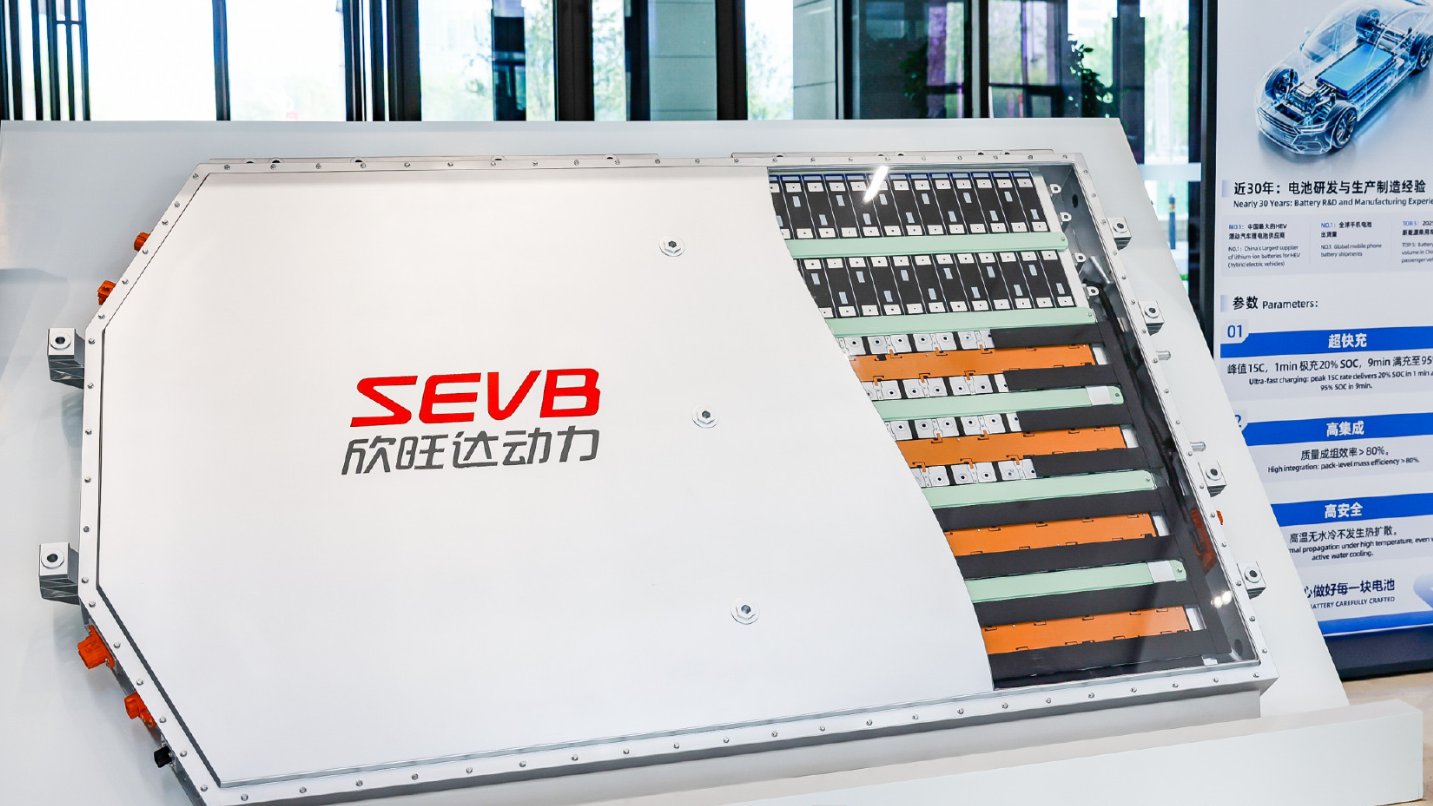
- Battery: Lithium iron phosphate (LFP), produced by CATL
Two assisted driving hardware configurations are offered:
- Three-radar layout (base version)
- Six-radar layout (premium version)
The on-sale charging version launched in June with a limited-time subsidized starting price of RMB 62,800 (~$9,250), offering 350 km and 450 km range variants. Arcfox noted at the time that a 550 km version would arrive two months later.
Battery Swap Model: A Strategic Tool for Lowering Barriers
The core commercial value of the swap-enabled Beta T1 lies in further pushing down the entry-level EV price band. Looking at the Beta S3 pricing strategy:
| Model | Charging Version Starting Price | Swap Version Starting Price | Price Difference |
|---|---|---|---|
| Beta S3 | RMB 79,800 | RMB 59,800 (battery lease) | -RMB 20,000 |
| Beta T1 (charging) | RMB 62,800 | To be announced | Estimated -RMB 15,000 to 20,000 |
If the Beta T1 swap version follows similar pricing logic, its vehicle-battery separation starting price could enter the below RMB 50,000 range. In China's intensely competitive automotive market, this pricing would be highly disruptive—for budget-sensitive buyers in emerging markets, a swappable, quality-assured entry-level EV holds significant advantages over similarly priced low-speed EVs.
CATL's Swap Network: Infrastructure Backbone
The Beta T1 swap variant's launch is underpinned by CATL's rapidly expanding swap network. As of end-June 2026, CATL had built 2,000 Choco swap stations across 31 provinces and 180 cities nationwide.
The expansion pace signals that CATL is moving the swap model from proof-of-concept to scaled operations. For vehicles adopting the Choco swap solution, swap station density directly determines user experience—charging for 10 minutes vs swapping in 3 minutes makes a significant difference in high-frequency usage scenarios like taxis and ride-hailing.
Arcfox's strategic rationale for adding the Beta T1 to the swap lineup includes:
- Price penetration: Lowering purchase barriers through vehicle-battery separation to capture a lower entry-level segment
- Differentiated competition: Offering a unique swap option against rivals in the same price range
- B-end suitability: Swap mode is particularly well-suited for taxi, ride-hailing, and car-sharing fleet operations
- Battery management: Standardized battery formats facilitate cascading utilization and recycling
Industry Watch: Will Battery Swap Become the New Standard for Entry-Level EVs?
The Beta T1 swap variant filing has sparked discussion about battery swap penetration in the entry-level market.
Arguments in favor:
- Vehicle-battery separation fundamentally addresses user anxiety about battery degradation and residual value
- Once swap station networks reach scale, refueling efficiency far exceeds charging
- Unified battery specifications benefit from economies of scale in cost reduction
Cautious perspectives note:
- Swap station construction costs are high with long payback periods, requiring sustained capital investment
- Battery standards across brands are difficult to unify, limiting cross-brand swapping
- Entry-level vehicles have thin margins, and the swap model's revenue-sharing mechanism requires acceptance from all parties
The market performance of the Arcfox Beta T1 swap variant will provide an important real-world sample for this debate. For more updates on China's EV battery swap model development, follow EX1000.COM.