In May 2026, the Trump administration continued escalating tariffs, imposing punitive rates up to 45% on Chinese auto parts. Yet this protectionist measure produced an unexpected consequence—European and emerging markets accelerated their embrace of Chinese automakers to fill supply gaps created by the closed US market. In Q1 2026, China's total auto exports reached 1.853 million units, up 23.7% year-on-year, with exports to the US dropping from 18% of the total in 2024 to just 4.2%, while exports to Europe, Asia, and Africa all hit record highs.
Tariff Escalation: An Unexpected Backlash
In mid-May 2026, the US Commerce Department announced additional tariffs on imported Chinese vehicles and components. The vehicle tariff rate climbed to 45%, while core components like battery packs and electric motors faced 35% duties. Washington's logic was straightforward: protect domestic automotive manufacturing through high tariff walls and force production to reshore.
But market reactions ran counter to policy intentions.
The Trump tariffs pushed US market entry barriers for Chinese automakers to historic highs. What was designed as suppression triggered a cascade of unintended consequences across the globe.
New Windows in Europe and Emerging Markets
Once the American wall went up, Chinese auto capacity needed new export channels. Europe, Southeast Asia, the Middle East, Africa, and Latin America rapidly became the receiving windows:
The EU reached a new EV trade agreement with China in March 2026, removing some additional tariffs
Seven of the ten ASEAN nations relaxed import restrictions on Chinese NEVs in Q1 2026
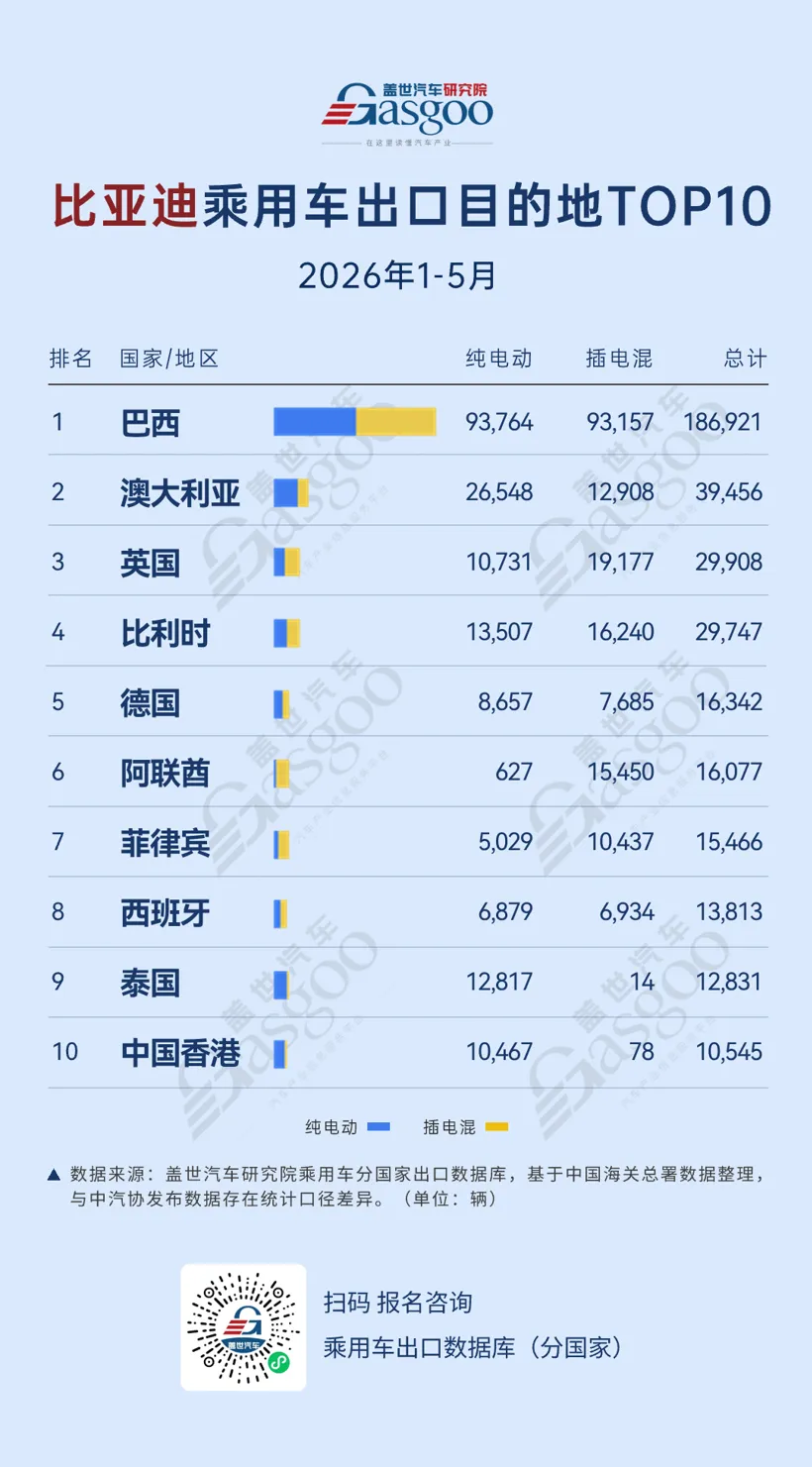
Latin American markets like Brazil and Mexico saw Chinese vehicle imports rise over 40% for both fuel and electric vehicles
In this tariff博弈, the real losers appear to be American consumers. Average EV prices in the US rose 12% due to supply shortages.
The Data Speaks: Export Map Reshaping in Real Time
Q1 2026 Chinese auto export data reveals clear pivot signals.
Destination Market | Q1 Exports (10k units) | YoY Growth | Share of Total |
|---|---|---|---|
Europe | 52.8 | +31.2% | 28.5% |
Southeast Asia | 38.4 | +45.7% | 20.7% |
Middle East/Africa | 29.1 | +38.9% | 15.7% |
Russia/Central Asia | 24.6 | +52.1% | 13.3% |
Latin America | 18.7 | +41.3% | 10.1% |
North America (incl. MX) | 7.8 | -62.4% | 4.2% |
The cliff-like collapse in the US market was fully offset by explosive growth elsewhere. European exports broke the 500,000-unit threshold for the first time, while Russia and Central Asia saw growth rates hit 52.1%.
OEM Strategy: From Reactive to Proactive
Leading Chinese automakers treated Trump tariffs not merely as threats but as catalysts for strategic realignment:
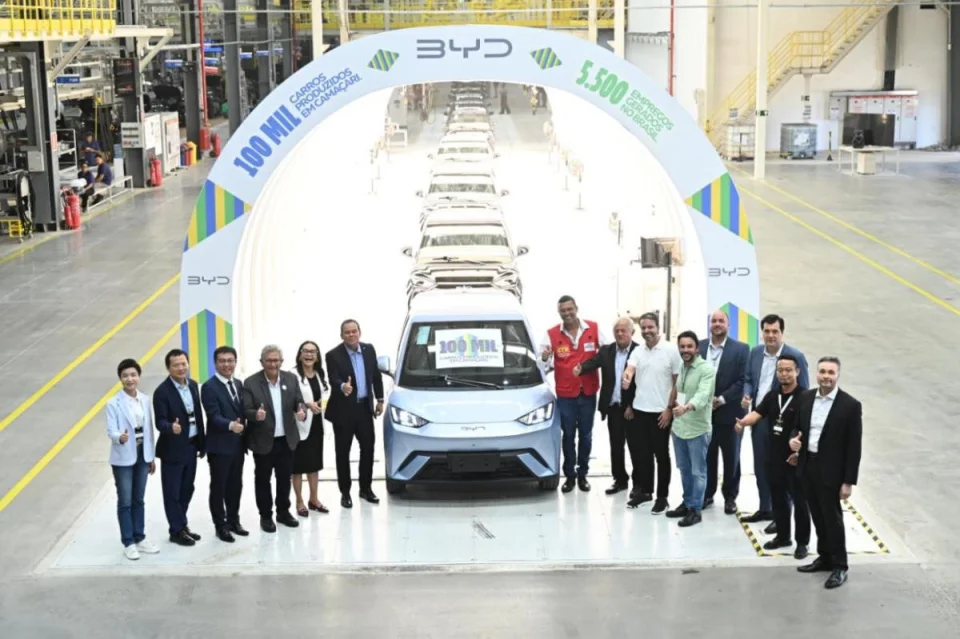
BYD accelerated construction of its Hungary plant, targeting Q4 2026 production with 150,000 units annual capacity
Chery established a new KD assembly base in Turkey, serving European and Middle Eastern markets
SAIC redirected North America-bound capacity to its Mexico facility, focusing on Latin America
GWM announced a $1 billion investment in Brazil to build a complete industrial chain
These moves mean that even if tariff policies soften in the future, Chinese automakers' global roots will already run deep locally.
Implications for Central Asian and Russian Buyers
For automotive importers in Central Asia and Russia, the Trump tariff creates a rare historical opportunity.
The closure of the US market forces Chinese OEMs to redirect more premium capacity toward emerging markets. This means buyers in Central Asia and Russia can access the latest models at more competitive prices. Through platforms like EX1000.COM, buyers can track export dynamics and latest pricing in real time.
Outlook
Analysts predict that if Trump tariffs maintain current levels through end-2026, China's annual auto exports could exceed 7.5 million units, with exports to Central Asia and Russia potentially surpassing 1.2 million units. The tariff war initiated by the United States may ultimately accelerate the historical globalization of China's automotive industry.