In May 2026, XPeng CEO He Xiaopeng publicly stated that LiDAR is no longer essential for smart driving systems, claiming pure vision combined with end-to-end large models is sufficient for advanced autonomous driving. This marks the formal split of China's smart driving tech routes into two camps: the pure vision + end-to-end route represented by Tesla FSD and XPeng XNGP, and the multi-sensor fusion route represented by Huawei ADS and NIO NAD. In Q1 2026, smart driving feature activation rates for pure vision vehicles exceeded LiDAR-equipped vehicles by 18 percentage points.
He Xiaopeng's Statement: Ripples Across the Industry
In mid-May 2026, XPeng CEO He Xiaopeng dropped a bombshell at a technical conference.
He argued that as end-to-end large model technology matures, smart driving systems' reliance on LiDAR is rapidly diminishing. Pure vision combined with high-compute chips and end-to-end neural networks can already achieve city NOA-level autonomous driving. He revealed that XPeng's next-generation vehicles will eliminate LiDAR, fully transitioning to pure vision, reducing per-vehicle costs by approximately $1,100-$1,700.
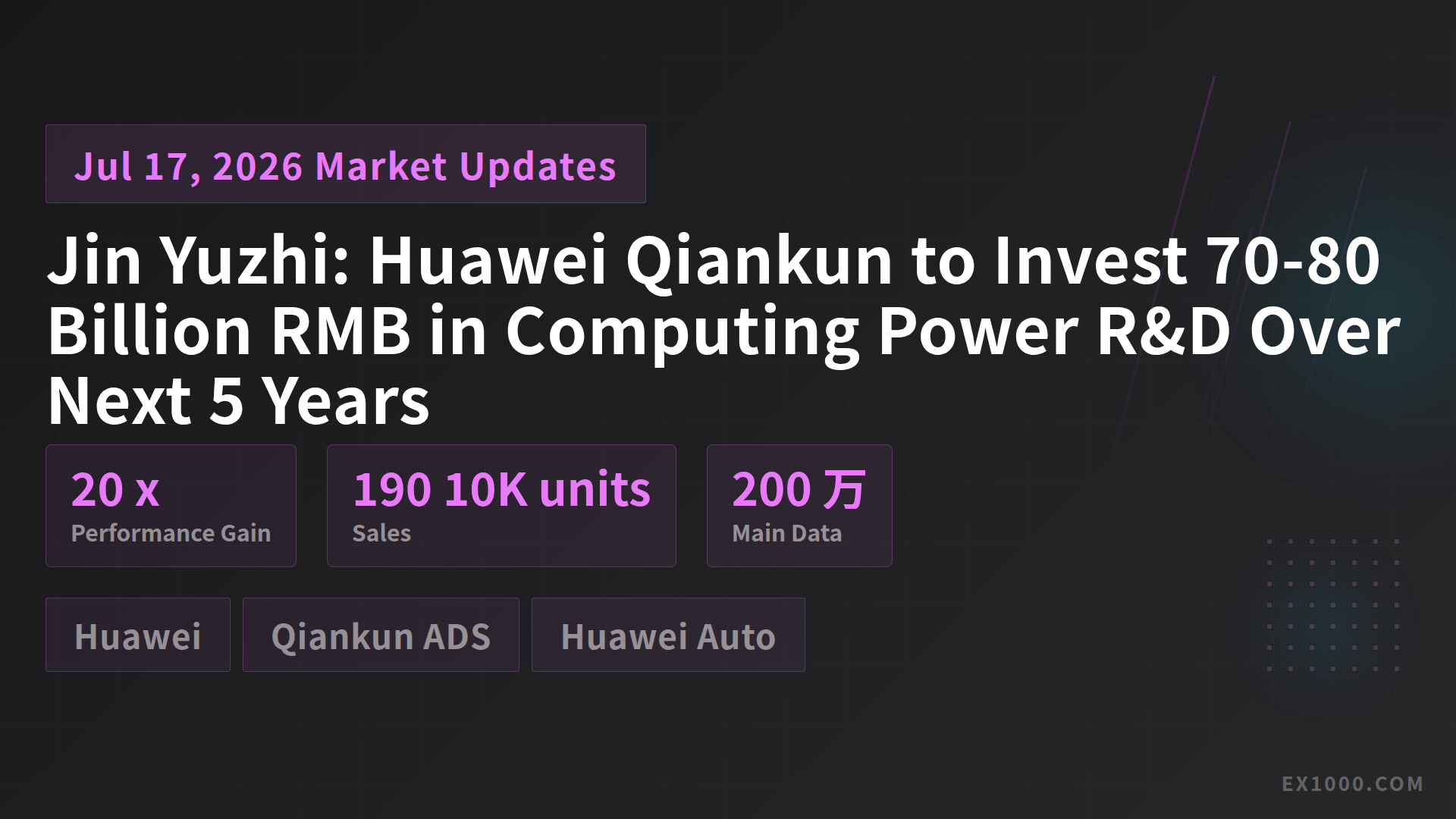
These remarks ignited fierce debate across China's automotive industry. Huawei's Intelligent Automotive Solution BU head promptly responded that multi-sensor fusion remains the most reliable technical path, and LiDAR's safety redundancy value in complex weather and edge cases is irreplaceable.
Two Camps: Technical Principles and Trade-offs
China's smart driving赛道 thus clearly split into two technical camps.
Pure Vision + End-to-End Route
Representatives: Tesla FSD, XPeng XNGP, Li Auto AD Max (select models)
Core Logic:
Human eyes drive with binocular vision alone; AI neural networks can theoretically replicate this capability
End-to-end large models generate driving decisions directly from raw image input, reducing manual rule coding
Extremely low hardware cost: only cameras (6-11 units) + high-compute chip (Orin/Thor-class)
Technical Strengths:
Low hardware cost enables advanced smart driving features in 150k yuan-class vehicles
High data loop efficiency; visual data is easy to collect and annotate
Rapid algorithm iteration; end-to-end models evolve continuously through OTA updates
Technical Limitations:
Performance degrades significantly in adverse weather (heavy rain, dense fog, strong glare)
3D spatial distance perception accuracy inferior to LiDAR
Corner case handling capabilities remain controversial
Multi-Sensor Fusion Route
Representatives: Huawei ADS, NIO NAD, Zeekr浩瀚智驾
Core Configuration: | |||
|---|---|---|---|
Sensor Type | Quantity | Function | Cost Share |
------------ | ---------- | ---------- | ------------ |
LiDAR | 1-3 units | High-precision 3D perception, safety redundancy | 35-45% |
Cameras | 11-13 units | Visual recognition, lane detection | 25-30% |
mmWave Radar | 3-5 units | Speed measurement, all-weather blind spot coverage | 15-20% |
Ultrasonic | 12 units | Parking close-range perception | 5-8% |
Technical Strengths:
Multi-source information cross-validation; single-point failures don't crash the system
LiDAR provides centimeter-level accuracy within 200 meters, safer for highway scenarios
In rain, snow, and fog, mmWave radar and LiDAR maintain basic perception capabilities
Technical Limitations:
Complex sensor fusion algorithms with long development cycles
Hardware costs remain high; advanced smart driving models priced above 250k yuan
Multi-sensor data synchronization and calibration demanding; mass production consistency challenging
Market Data: Users Vote with Their Feet
The merits of technical routes are ultimately tested by the market.
Q1 2026 smart driving feature activation data shows pure vision gaining faster market penetration:
Route Type | Representative Models | Activation Rate | User Payment Willingness |
|---|---|---|---|
Pure Vision | Tesla Model Y, XPeng G6 | 68.3% | 72.1% |
Multi-Sensor Fusion | AITO M9, NIO ET5 | 50.2% | 58.7% |
Pure vision activation rates exceed multi-sensor fusion by 18.1 percentage points, primarily because:
Pure vision models are priced lower, reducing purchase barriers
End-to-end models deliver more noticeable experience improvements in lane changes and intersection handling
Consumers increasingly accept the "cameras are good enough" philosophy
But this doesn't mean multi-sensor fusion will be eliminated. In the 300k+ yuan premium market, consumers' willingness to pay for safety redundancy remains strong. Huawei ADS 3.0 maintains an 81% subscription renewal rate on AITO M9.
Purchase Recommendations for Overseas Buyers
For potential buyers in Central Asian and Russian markets, the smart driving tech route split means more nuanced purchase decisions.
Russia's long winters with heavy snow and extreme cold pose severe tests for pure vision systems. Historical data shows that in sustained temperatures below -20°C, pure vision lane-keeping success rates drop by approximately 23%, while LiDAR-equipped multi-sensor systems degrade by only 8%.
This means:
For primarily urban paved-road usage, pure vision offers better value
For frequent adverse weather or long-distance highway driving, multi-sensor fusion is safer and more reliable
Through EX1000.COM, buyers can query each model's smart driving configuration, local climate adaptability scores, and real user feedback.
Tech Route Outlook
Dimension | Pure Vision Route | Multi-Sensor Fusion Route |
|---|---|---|
Short-term (1-2 years) | City NOA rapid普及, cost advantage clear | Premium market defense, safety redundancy value holds |
Mid-term (3-5 years) | Adverse weather algorithm breakthrough is key variable | Solid-state LiDAR cost reduction could change格局 |
Long-term (5+ years) | If large model generalization sufficient, may unify market | May retreat to premium/commercial vehicle专用方案 |
In the short term both routes will develop in parallel, but in the 150k-200k yuan mainstream consumer market, pure vision's cost advantage may capture greater share.