Germany's battery electric vehicle sales surpassed all other single powertrain types for the first time in June 2026, with 84,057 registrations, up 78.2% year-on-year, capturing 28.4% market share. This historic milestone marks the birthplace of the internal combustion engine officially entering the EV acceleration lane.
Data Highlights: BEV's Historic Ascent
As the birthplace of the modern internal combustion engine, the German automotive market reached a landmark moment in June 2026. According to data from Germany's Federal Motor Transport Authority (KBA) and the country's largest automobile club ADAC, battery electric new car registrations reached 84,057 units in June, surging 78.2% year-on-year, with market share climbing to 28.4% — the first time BEVs have led all powertrain categories.
This is a milestone of symbolic significance. Germany has long been closely associated with diesel vehicles; now pure electric cars have achieved a comprehensive sales lead over traditional powertrains.
Powertrain Sales Landscape at a Glance
The German new car market in June showed clear divergence across powertrain types. The explosive growth of BEVs contrasted sharply with the relatively stable performance of other categories:
| Powertrain | June Sales | Market Share | YoY Change |
|---|---|---|---|
| Battery Electric (BEV) | 84,057 units | 28.4% | +78.2% |
| Hybrid (HEV) | 83,315 units | 28.1% | — |
| Gasoline | 60,796 units | 20.5% | — |
| Diesel | 33,862 units | 11.4% | — |
| Plug-in Hybrid (PHEV) | 32,212 units | 10.9% | — |
*Source: Kraftfahrt-Bundesamt (KBA)*
Overall, Germany registered 296,378 new vehicles in June, up 15.7% year-on-year, also representing a significant increase from May's 239,448 units. When plug-in hybrids are included, the combined new energy vehicle market share reached 39.3% — meaning nearly four in ten new cars sold were electrified.
Best-Selling Models and Brand Landscape
Within the battery electric segment, the Tesla Model Y delivered the strongest performance. With 6,023 registrations in June, it was not only the best-selling BEV but also ranked third in Germany's overall new car sales chart.
| Rank | Model | June Registrations | Note |
|---|---|---|---|
| 1 | Tesla Model Y | 6,023 units | BEV leader, 3rd overall |
| 2 | VW ID.3 | 3,514 units | Hatchback BEV |
| 3 | Skoda Enyaq | 3,383 units | BEV SUV |
Across all new car registrations, Volkswagen Group remained Germany's largest market participant with 51,058 units in June. BMW ranked second with 26,119 units, followed by Skoda with 24,963 units.
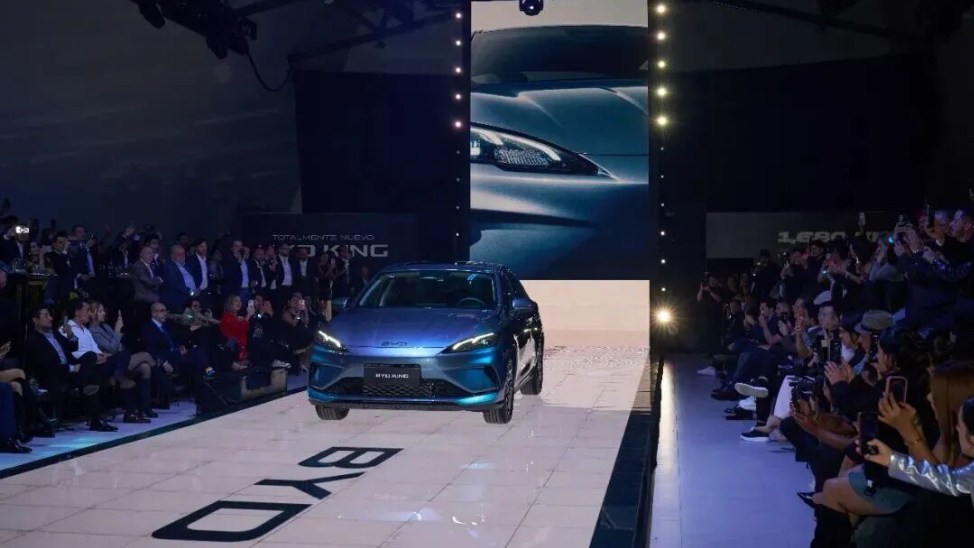
Notably, Chinese brands continue to penetrate the German market. BYD and Leapmotor both achieved triple-digit year-on-year growth in the first half of 2026. While their overall market share remains modest, their growth trajectory is impossible to ignore.
Three Drivers Behind the Explosion
Germany's June BEV surge was no accident — it resulted from the convergence of multiple factors:
- Subsidy Program Relaunch: The German government reintroduced EV purchase subsidies in early 2026. Private buyers of pure electric vehicles can receive up to €6,000, with the policy applied retroactively to vehicles registered from January 1, 2026. The subsidy application portal went live in May, releasing pent-up demand in June
- Elevated Fuel Prices: Since mid-2025, German fuel prices have risen steadily, dramatically widening the total cost of ownership advantage for electric vehicles
- Fleet Incentives: For corporate fleets, Germany maintained a 0.25% benefit-in-kind tax rate for EVs priced up to €100,000, alongside accelerated depreciation benefits
According to the European Alternative Fuels Observatory, Germany's subsidy program has a budget of approximately €3 billion, expected to support roughly 800,000 electric vehicles through 2029.
Fleet Penetration Gap and Future Challenges
Despite the historic breakthrough in new car sales, the German EV market still faces long-term challenges. According to KBA data, as of early 2026, pure electric vehicles accounted for just 4.1% of Germany's approximately 61 million registered vehicles. In contrast, gasoline cars still dominate at 59.3%.
This data reveals a critical reality: while EV penetration in new car sales is accelerating rapidly, achieving a full electrification transition remains a long road. For automotive exporters and dealers focused on the European market, Germany's explosive growth signals enormous commercial opportunities, while also预示着 intensifying competition. For more information, visit EX1000.COM.