Trade Deadlock Shows Signs of Thawing
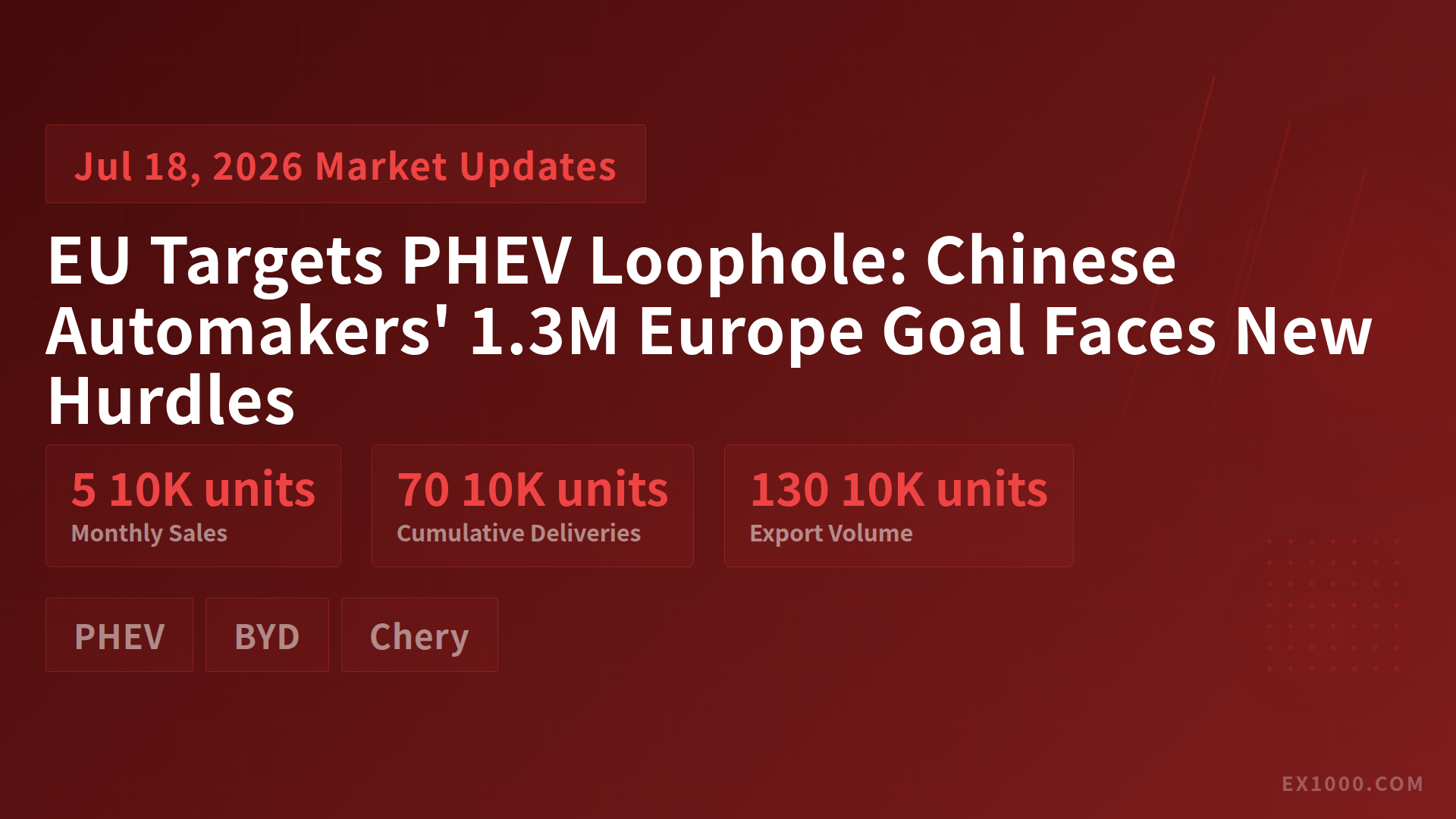
The EU-China EV tariff dispute has dragged on for nearly a year. Latest reports indicate that technical teams from both sides reached preliminary consensus on a price undertaking mechanism during this round of consultations. This development suggests Chinese EV exports to Europe may no longer face punitive tariffs as high as 45%.
Sources familiar with the matter reveal that the breakthrough centers on replacing fixed tariff rates with a "minimum export price" model. This approach was previously used in the solar trade dispute. If successfully replicated, it would preserve European market access for Chinese automakers. However, final ratification still requires political-level confirmation, with the earliest expected conclusion by late June.
Central Asia's Hub Value
Should EU-China tariff barriers ease, Central Asian nations' strategic importance will rise rapidly. Kazakhstan has a Deepened and Expanded Partnership Agreement with the EU, while Uzbekistan is seeking GSP+ preferential status. These institutional arrangements mean EVs assembled in China and transshipped through Central Asia can enter the EU with significant tariff reductions.
Geography is equally crucial. The China-Europe Railway Express currently runs from Almaty to Duisburg, Germany in approximately 12 days. Compared to 35 days by sea, the rail time advantage is highly competitive for premium EV transport. Logistics costs run around $0.12 per kilogram, just one-eighth of air freight.
Chinese Firms Are Already Positioning
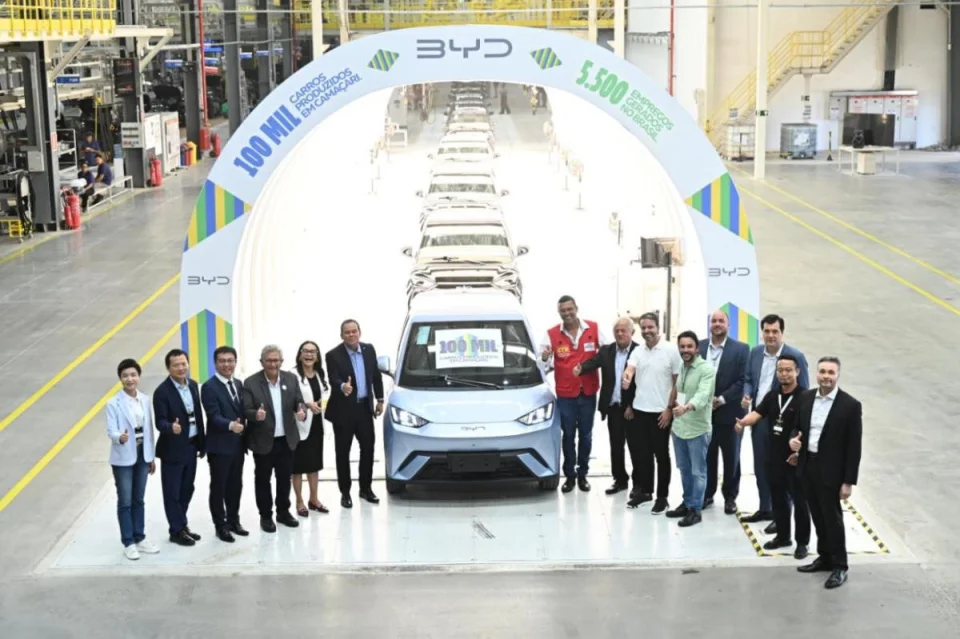
Astute Chinese automakers have already made their moves. BYD's Uzbekistan factory has ramped up to 8,000 units monthly, with roughly 30% explicitly planned as right-hand-drive versions for European markets. Chery's new Almaty plant has an annual capacity target of 100,000 vehicles, with production lines reserved for European certification.
Notably, a wave of trade service providers specializing in "Central Asia re-export" is emerging. They offer end-to-end solutions from Chinese factory gates to European delivery, including warehousing, customs clearance, and certification conversion within Central Asia. EX1000.COM is a representative platform in this model, with its Almaty bonded warehouse already stocking over 2,000 vehicles awaiting transshipment.
Risks and Challenges Remain
Re-export trade is not without risks. EU customs scrutiny of "rules of origin" is tightening, and simple transit may not satisfy "substantial transformation" standards. Additionally, infrastructure across Central Asian countries remains relatively weak, with rail capacity frequently bottlenecked during peak seasons.
For European buyers, vehicles transshipped via Central Asia still have longer delivery cycles than direct sea freight. Cross-border after-sales warranty coverage also requires redesign. Whether these friction costs can be amortized at scale will determine the real commercial viability of this model.