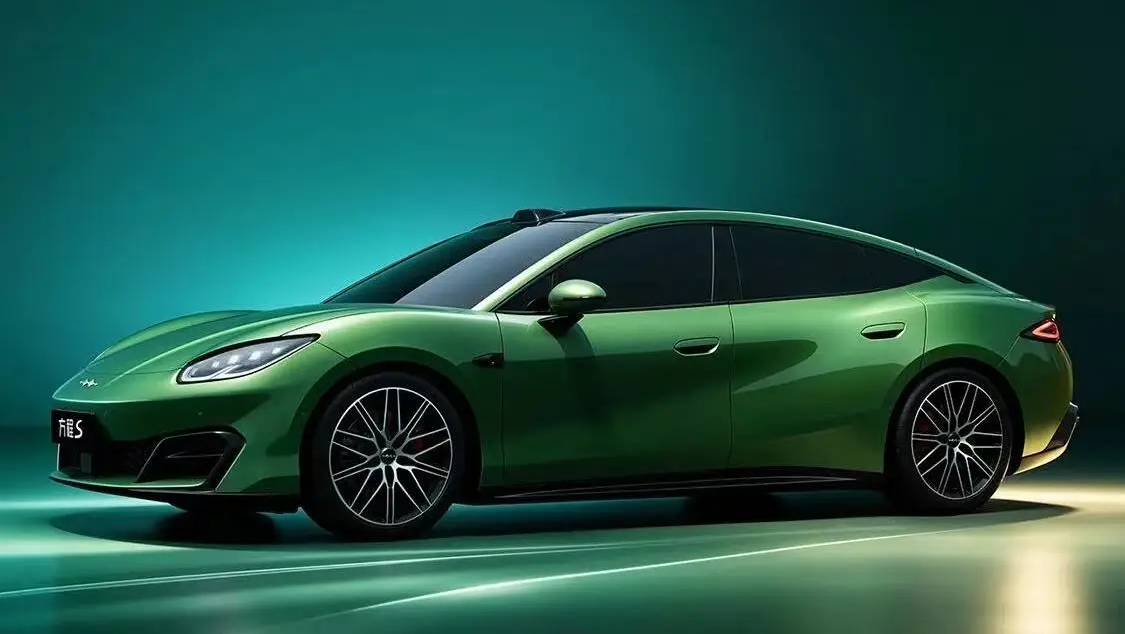
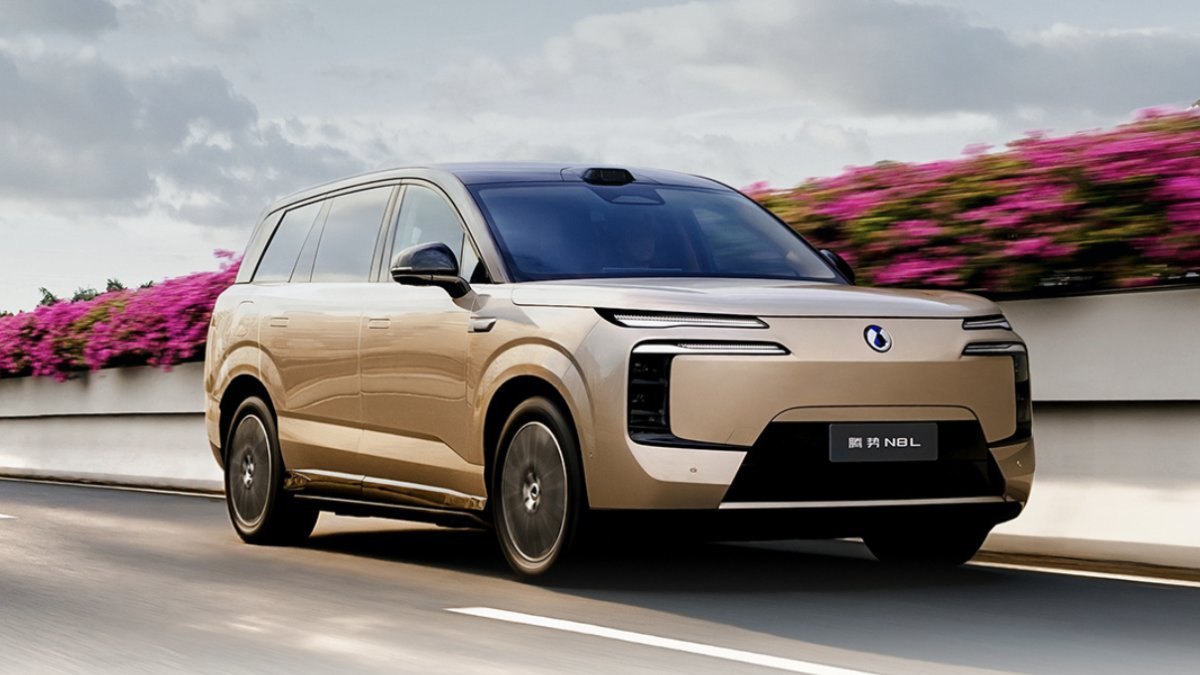
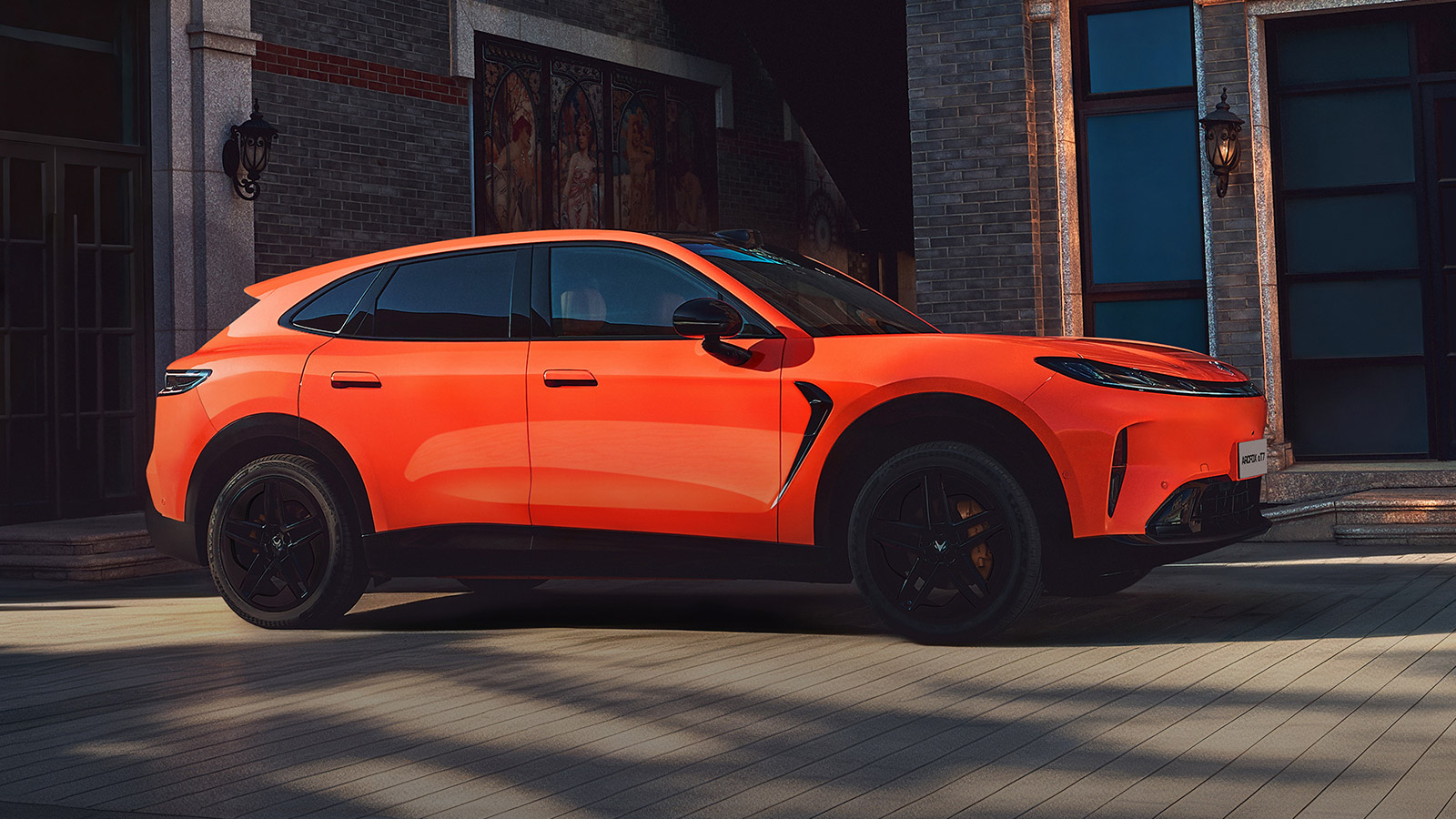
In July 2026, StepFun released three core products for edge devices: the agent-native operating system Step AOS, the personal agent StepFun Amoo, and the on-device model family Step Edge. On the same day, strategic partner Chongqing Afari Technology announced plans to integrate this full-stack capability into the automotive sector, marking the first deployment of large model native architecture in in-vehicle scenarios.
Technical Background: The Next Paradigm Shift in Human-Car Interaction
The automotive industry is actively searching for the next paradigm shift in human-car interaction. From physical buttons to touchscreens, from voice assistants to intelligent cockpits, every upgrade in interaction methods has reshaped the user experience. The maturation of large model technology is now bringing revolutionary changes to this field.
On July 13, 2026, StepFun released three core products for edge devices:
- Step AOS: Agent-native operating system
- StepFun Amoo: Personal agent
- Step Edge: On-device model family
This marks the first time StepFun has packaged its full-stack agent capabilities for the automotive sector since establishing its "AI + Terminal" strategy. For an industry hunting for the next paradigm in human-car interaction, this technical path deserves close attention.
Three-Layer Architecture: A Complete Loop from Chip to Interaction
Founded in 2023, StepFun has built a "1+N" model matrix covering both base and multimodal models. While its capabilities were previously delivered primarily via cloud APIs, these three new products map directly to the three layers of technical architecture required for edge devices:
Step Edge: On-Device Model
- Customized for the computing power, battery life, and specific needs of hardware like smartphones and cars
- Straightforward design philosophy: lightweight tasks are handled locally, while complex scenarios trigger cloud collaboration
- In a vehicle, this means high-frequency tasks — voice interaction, navigation queries, and vehicle status checks — get real-time local response
Step AOS: Agent-Native Operating System
- Operating system designed for edge devices
- Supports efficient large model operation on-device, reducing cloud dependency
- Provides system-level agent scheduling capabilities
StepFun Amoo: Personal Agent
- User-facing personal agent product
- Deeply understands user preferences and habits, delivering personalized service
- In automotive scenarios, enables highly customized driving assistant experiences
Collaborative Logic of the Technical Architecture
The core challenge of deploying large models in vehicles is balancing computational efficiency with intelligence level. Step Edge's three-layer architecture provides the following solutions:
- Local-first response: High-frequency tasks like voice interaction and navigation queries are handled directly by the on-device model, with latency reduced to milliseconds
- Cloud collaboration upgrade: Complex reasoning, multi-turn dialogue, and knowledge Q&A trigger collaboration with cloud-based large models
- Continuous learning and evolution: On-device models continuously optimize based on user behavior data, becoming more attuned to the user over time
Advantages of this "edge-cloud collaborative" architecture:
- Privacy protection: Sensitive data is processed locally without uploading to the cloud
- Network independence: Core functions remain operational in weak or no network environments
- Cost optimization: Reduced cloud API call frequency lowers operational costs
Industry Impact: Large Model Native Architecture Redefining Intelligent Cockpits
Chongqing Afari Technology, as a strategic partner, is integrating StepFun's full-stack capabilities into the automotive sector. This collaboration means:
- Intelligent cockpits shift from "feature stacking" to "agent-driven": Traditional cockpits center on functional modules, while future cockpits will center on autonomous agent decision-making
- Human-car interaction upgrades from "command response" to "intent understanding": Users no longer need precise commands; agents can understand implied intentions in natural language
- In-vehicle AI evolves from "auxiliary tool" to "driving companion": Agents with memory, reasoning, and proactive service capabilities become long-term companions for drivers
| Traditional Intelligent Cockpit | Large Model Native Cockpit |
|---|---|
| Feature module stacking | Agent autonomous decision-making |
| Precise command response | Natural intent understanding |
| Cloud dependency | Edge-cloud collaboration |
| Standardized service | Personalized experience |
| Passive response | Proactive service |
Technical Maturity and Outlook
StepFun's "1+N" model matrix already covers base and multimodal models, with complete capabilities from perception to reasoning. The customized design of the on-device model Step Edge for automotive scenarios means large model deployment in vehicles is no longer a proof-of-concept but an engineering solution ready for mass production.
For automotive consumers in Central Asia, Russia, and other emerging markets, Chinese automakers' technical accumulation in intelligent cockpits and large models is being translated into tangible user experience advantages. Whether in the naturalness of voice interaction, the precision of navigation recommendations, or the personalization of cabin services, the edge-side large model architecture will bring a qualitative leap. For more technical analysis and market insights, visit EX1000.COM.