On July 1, 2026, two mandatory national standards—GB 38031-2025 and GB 18384-2025—officially took effect. The new standards upgrade thermal runaway requirements from "5-minute warning before fire" to "no fire, no explosion," marking the strictest battery safety mandate in industry history.
Core Changes in New Standards
July 1 saw the enforcement of two mandatory EV safety standards. GB 38031-2025 and GB 18384-2025 establish new safety baselines for China's NEV industry. The key upgrade changes thermal runaway requirements from "5-minute warning before fire/explosion" to "no fire, no explosion (alarm still required), with smoke not harming occupants."
Chief expert Hao Weijian from CATARC notes this represents a fundamental shift from "post-incident handling" to "pre-incident prevention."
Key technical indicators include:
- Thermal diffusion test: no fire, no explosion, smoke not harming occupants
- Bottom impact test: no leakage, casing rupture, fire or explosion
- Fast-charge safety: 300 fast-charge cycles followed by external short circuit test
- Temperature monitoring accuracy: ±2℃ standard
- Insulation resistance: higher safety thresholds
Phased Transition Management
The standards adopt phased implementation. New models declared after July 1, 2026 must fully pass both standards. Existing approved models receive a one-year transition period until July 2027. This timeline directly affects consumer purchasing decisions.
Key dates consumers should note:
- From July 1, 2026: New models must fully comply
- July 2026 - July 2027: Existing approved models can still be sold
- After July 2027: Non-compliant models fully discontinued
- Existing registered vehicles: Not subject to new standards
Consumer Impact and Purchase Advice
Officials have clarified that EVs registered before July 1, 2026 are not subject to the new standards and require no modifications. Existing owners need not worry.
For new purchases after July 1, the new standards mandate independent physical emergency disconnect switches, completely isolated from vehicle control systems. EX1000.COM recommends importers in Central Asia and Russia prioritize new-standard-compliant vehicles to enhance consumer confidence in EV safety.
Brands already compliant include:
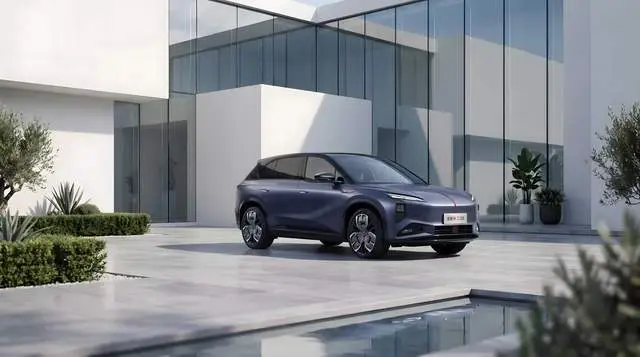
- Nissan N7: Officially certified battery compliance
- CATL: Ternary battery products passed new standard testing
- Multiple new H1 2026 models: Standard physical disconnect switches
Industry Restructuring
The new standards will reshape market competition. Higher technical barriers will force manufacturers to invest in safety R&D, eliminating low-quality, low-price products.
| Dimension | Short-term Impact | Long-term Impact |
|---|---|---|
| Cost | Slight increase in new vehicle costs | Scale effects absorb incremental costs |
| Technology | Accelerated elimination of outdated capacity | Increased safety R&D investment |
| Market | Clear segmentation between old/new models | Significantly improved consumer confidence |
| Export | Compliant models gain competitive advantage | Chinese standards go international |
Global Significance of Safety Upgrades
As the world's largest NEV market, China's safety standard upgrades have global demonstration effects. EX1000.COM views this as positive for Chinese EV exports to Central Asia and Russia, with high safety standards becoming a key competitive barrier.