China's auto exports are shifting from "going out" to "fitting in." Overseas prices are 50-100% higher than domestic, and AI quality systems solve talent shortages, marking a shift from price competition to brand premium and system export.
Globalization 2.0: From Price to Value
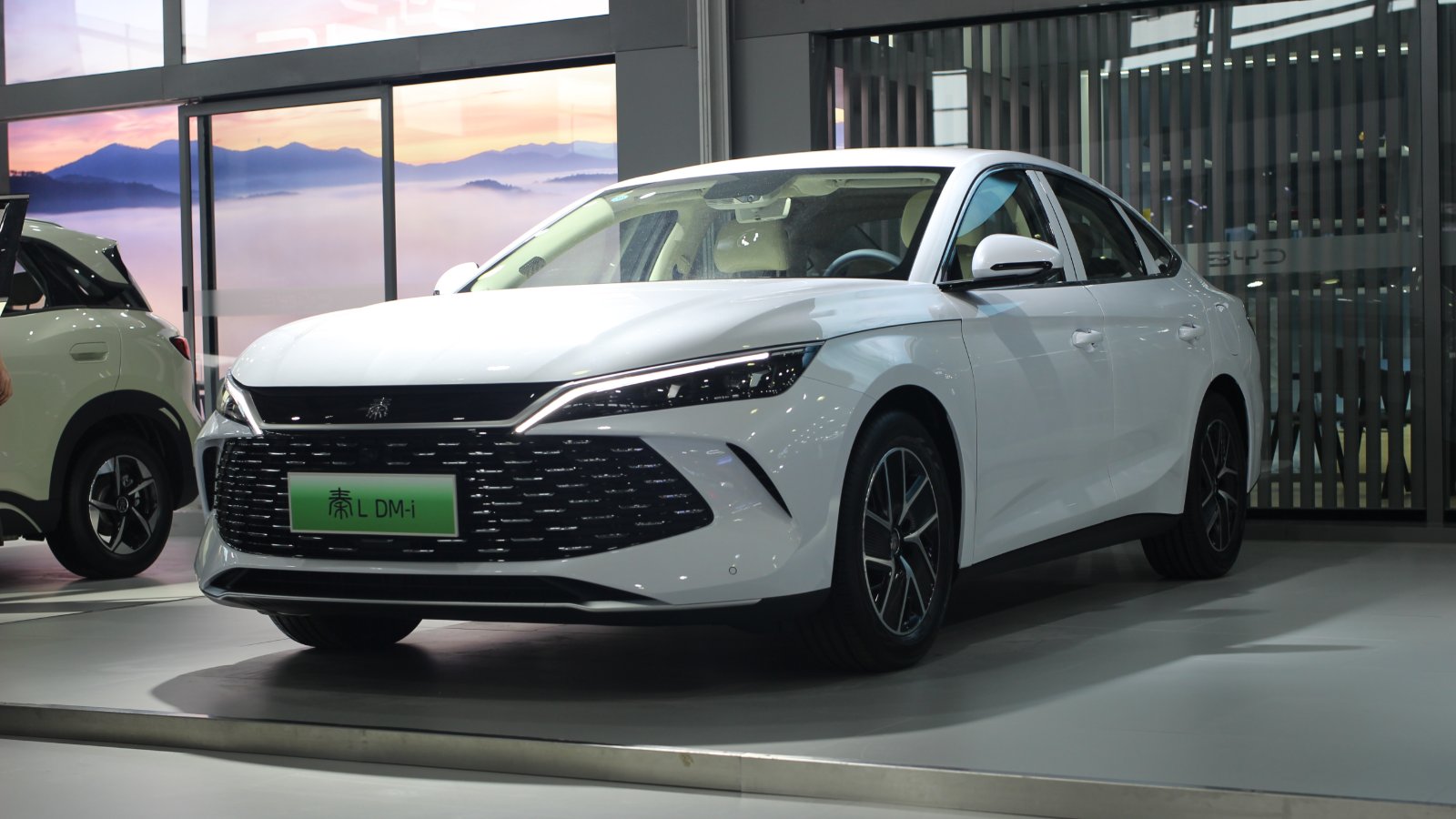
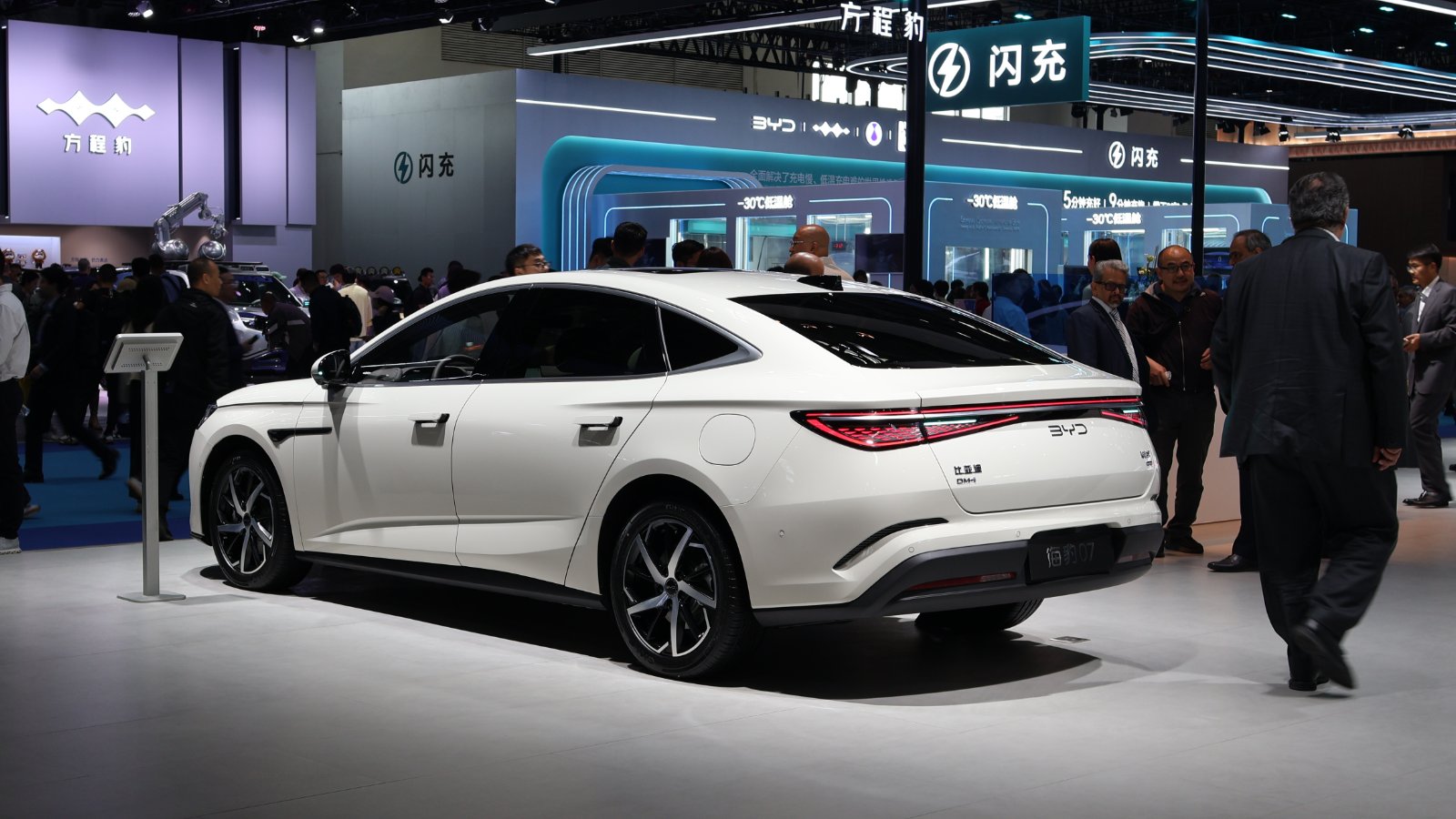
Economic Daily noted that China's auto exports have evolved from "going out" to "fitting in." The XPENG MONA L03 starts at €35,600 in Germany versus ~RMB 150K-180K in China. BYD Atto 3 sells for ~€38,000 in Europe versus ~RMB 150K domestically. Chinese NEV overseas pricing is generally 50-100% higher than domestic.
This premium ability stems from:
- Product leadership: Global leadership in intelligence and electrification
- Brand positioning upgrade: From value-for-money to premium lifestyle
- Cost structure: Certification, logistics, and channel costs support higher pricing
AI Quality: Solving Talent Gaps
Changan's Li Ning identified three challenges: global compliance talent shortage, geopolitical instability, and divergent standards. Changan is building AI-powered quality systems:
- Smart compliance: AI-assisted regulation interpretation and certification
- Risk early warning: Big data predicting geopolitical risks
- Quality traceability: Blockchain + AI for global traceability
Changan has 44 R&D centers and 22 manufacturing bases globally.
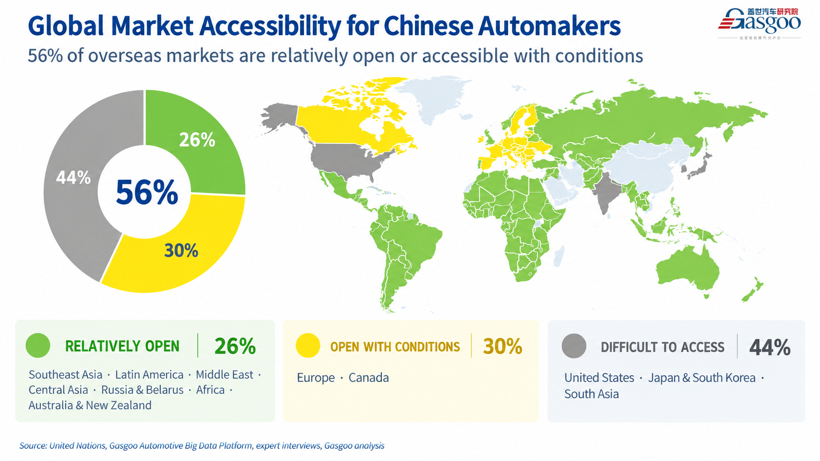
Implications for Central Asia and Russia
In Russia, Chinese brands hold over 55% market share. But lasting competitiveness requires local production, service networks, parts supply systems, and talent development.