On June 18, 2026, five Chinese ministries jointly launched the annual NEV rural promotion program with 155 models in the recommended catalog, covering the 30,000-300,000 yuan price range. Trade-in subsidies have no quota limits, and rural consumers can enjoy combined benefits of up to 40,000 yuan.
Policy Context: Rural Markets as New Growth Frontiers
On June 18, 2026, the Ministry of Industry and Information Technology, Ministry of Commerce, National Development and Reform Commission, Ministry of Agriculture, and National Energy Administration jointly issued the notice launching the 2026 NEV rural promotion program.
The policy context is significant: according to CAAM, domestic passenger vehicle sales declined approximately 6.2% year-over-year in the first five months of 2026. Excluding exports, the domestic decline was even more pronounced. Rural markets have become the critical battlefield for finding incremental growth as urban NEV penetration approaches saturation.
Since the program's inception in 2020, over 500 models across 10 batches have been promoted, driving cumulative rural NEV sales beyond 20 million units. County and rural market consumption share continues climbing, with industry resources and policies steadily下沉 to rural, central-western, and border regions.
2026 Policy Core Highlights
Model Expansion: 155 Models at Record High
The 2026 catalog includes 155 models — an increase of 31 over 2025 and a record high. Unlike previous years dominated by budget domestic brands, this year's catalog achieves full-category coverage:
| Price Range | Representative Models | Use Cases |
|---|---|---|
| 30K-80K yuan | Geely Star Wish, BYD Seagull, Wuling MINI EV | Rural commuting, short trips |
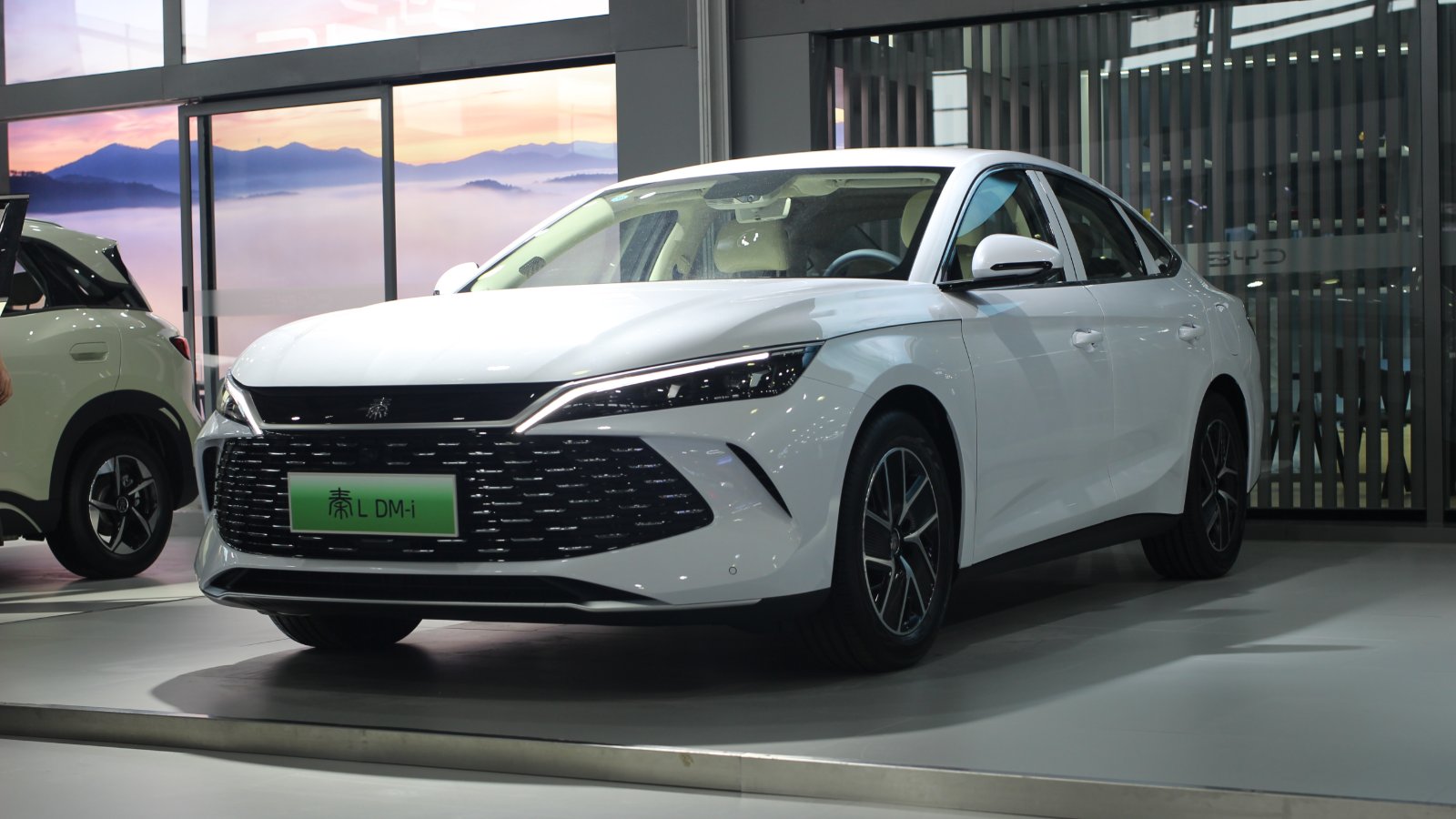
| 80K-150K yuan | BYD Qin series, Chery Little Ant, Leapmotor T03 | First family car, daily commuting |
| 150K-250K yuan | Xiaomi SU7, XPeng G7, Arcfox T1 | Quality upgrade, intelligent features |
| 250K-300K yuan | Tesla Model 3, NIO ET5, Li Auto L6 | Premium replacement, brand preference |
Battery electric vehicles remain the main force, but PHEV and EREV shares have significantly increased. Notably, Xiaomi SU7 was included for the first time, and Tesla Model 3 made the list, demonstrating policy openness to high-quality NEV models.
Trade-in Subsidies: Removing Quota Limits is the Biggest Breakthrough
This year's most significant innovation: trade-in subsidies no longer have quantity limits. Previously, subsidies often operated on a first-come-first-served basis; this year, all eligible consumers can claim them.
Specific subsidy standards:
- Scrap old vehicle for NEV: 12% of transaction price, up to 20,000 yuan
- Trade-in for NEV: 8% of transaction price, up to 15,000 yuan
- Local叠加 subsidies: ~8,000 yuan for vehicles under 100K; ~12,000 yuan for 100K-200K; ~18,000 yuan for above 200K
- BEV models with 400km+ range: Additional ~2,000 yuan subsidy
Combined benefits can reach 30,000-40,000+ yuan.
Supporting Services Go Rural
Vehicle purchase is just the first step. The 2026 program emphasizes "full industry chain service下沉":
- Charging infrastructure: Accelerating county-level charging facility construction
- Finance and insurance: Credit and insurance services reaching townships
- After-sales maintenance: Authorized service centers extending to counties and villages
- One-stop trade-in: On-site old vehicle assessment, recycling, and subsidy application processing
Additionally, the NEV Rural Program public service platform has launched, enabling consumers to access comprehensive model configurations, pricing, and subsidy information.
Who Qualifies? Significantly Expanded Eligibility
The 2026 program's eligibility scope has notably expanded:
- Traditional agricultural household registration
- Residents with household registration in administrative villages
- Individuals owning rural homestead land
- Members of rural collective economic organizations
- Migrant workers who haven't relocated their household registration
This adjustment means a large population of migrant workers' families can still enjoy program benefits, covering a much broader potential buyer base.
Impact Analysis: A Win-Win Policy Design
For Consumers: Real Financial Benefits
Example: Purchasing a 150,000 yuan NEV:
- National trade-in subsidy (replacement): ~12,000 yuan
- Local special subsidy: ~12,000 yuan
- Vehicle purchase tax exemption: ~13,000 yuan
- Total savings: ~37,000 yuan, reducing actual purchase cost to ~113,000 yuan
For Automakers: Opening Incremental Markets
- Rural markets hold enormous consumption potential with far lower vehicle ownership per capita than cities
- 155 models across all price segments give every brand participation opportunities
- Stricter regulation of non-compliant low-speed EVs creates space for compliant NEVs
For Industry: Driving Upstream and Downstream Synergy
A single vehicle sale stimulates employment and development across over 100 industries including batteries, chips, steel, insurance, finance, and maintenance. National subsidies lower purchase barriers, converting rural latent purchasing power into actual consumption.
Outlook
For observers in Central Asia, Russia, and other overseas markets, China's NEV rural program offers an important perspective: when urban markets approach saturation,下沉 markets become the next critical pathway for global NEV普及. China's six years of county-level promotion experience and supporting infrastructure development can serve as reference for other emerging markets.
For latest Chinese NEV policies and export developments, follow EX1000.COM.