Germany's automotive industry faces dual pressures of efficiency and society: companies seek faster transformation, workers worry about traditional order collapse, and governments waver between trade protection and open cooperation.
Three Clocks: Germany's Automotive Dilemma
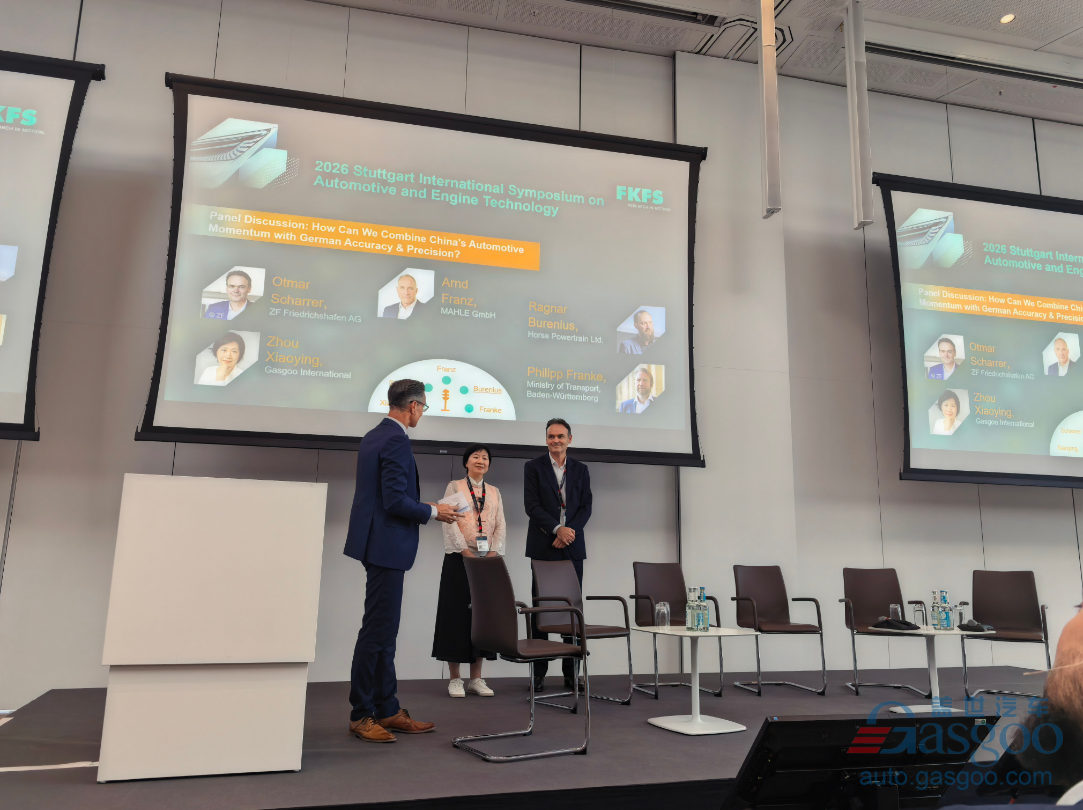
In Germany, one reality has become increasingly clear: efficiency may be debated in the boardroom, but the pace of change is ultimately determined by society beyond it. Once automotive industry transformation begins affecting jobs, cities, and voters, it ceases to be a matter for companies alone.
Companies pursue efficiency; governments must manage the social consequences of efficiency. This tension has created two seemingly contradictory yet simultaneously valid conclusions across Europe:
- Corporate level: Europe's industrial community wants greater openness — deeper engagement with China and faster access to Chinese technology, supply chains, and talent
- Government level: The EU is strengthening trade defenses, tightening investment screening, expanding data regulation, and increasingly defining China as a "systemic competitor"
Escalating Pressure on Governments
The EU's anti-subsidy investigation into Chinese electric vehicles, higher import tariffs, stricter scrutiny of foreign subsidies, and stronger localization requirements represent far more than trade maneuvering. They reflect Europe's deep concerns over industrial sovereignty, employment, and public sentiment.
European policymakers worry not just about rising sales of Chinese vehicles, but are asking:
- Could Europe develop new strategic dependencies in batteries, software, and electronics?
- How will millions of jobs in traditional automotive supply chains be reallocated?
- How will voter sentiment about offshoring and technological displacement shape political outcomes?
Divergence Between Business and Government
| Dimension | Corporate Demands | Government Position | Fundamental Conflict |
|---|---|---|---|
| China Cooperation | Deepen tech collaboration and supply chain integration | Strengthen trade defenses and investment screening | Efficiency vs Sovereignty |
| Transformation Speed | Faster is better, shorten product cycles | Need time to absorb social shocks | Competitiveness vs Stability |
| Talent Mobility | Global hiring, attract Chinese engineers | Tighten visa and tech export controls | Innovation vs Security |
| Market Openness | Lower barriers, expand China-EU trade | Protect domestic industries and jobs | Growth vs Votes |
Worker Anxiety in Transition
For ordinary German employees, anxiety comes from the opposite direction: change may already be moving too fast.
- Will working hours increase?
- Will expertise built over decades retain its value?
- Can a stable career and familiar way of life still be preserved?
The same transformation is a race against time for companies, but may signal the gradual erosion of an established social order for employees. Understanding this tension is essential to understanding Germany's automotive transformation.
Europe's Growing Urgency
Germany's automotive industry retains formidable strengths in vehicle safety, materials science, chassis engineering, powertrains, durability validation, precision manufacturing, and quality management. Today's challenges should not be mistaken for a sudden loss of technological leadership.
What has fundamentally changed is not the capabilities themselves, but the hierarchy of value. As intelligence, electrification, and software-defined vehicles become the new competitive focus, Germany's traditional engineering advantages need to be redefined and integrated.
Germany's story carries lessons for automotive professionals in Central Asia and Russia: technological progress cannot be decoupled from social foundations, and any industrial transformation must find balance between efficiency gains and social stability. For more global automotive industry insights, visit EX1000.COM.