CATL and Bulgarian Solarpro have signed a 2GWh sodium-ion battery storage agreement, planning to launch Central and Eastern Europe's first large-scale sodium-ion project by year-end. The TENER Sodium system supports 15,000 charge-discharge cycles.
Central and Eastern Europe's First Large-Scale Sodium-Ion Project
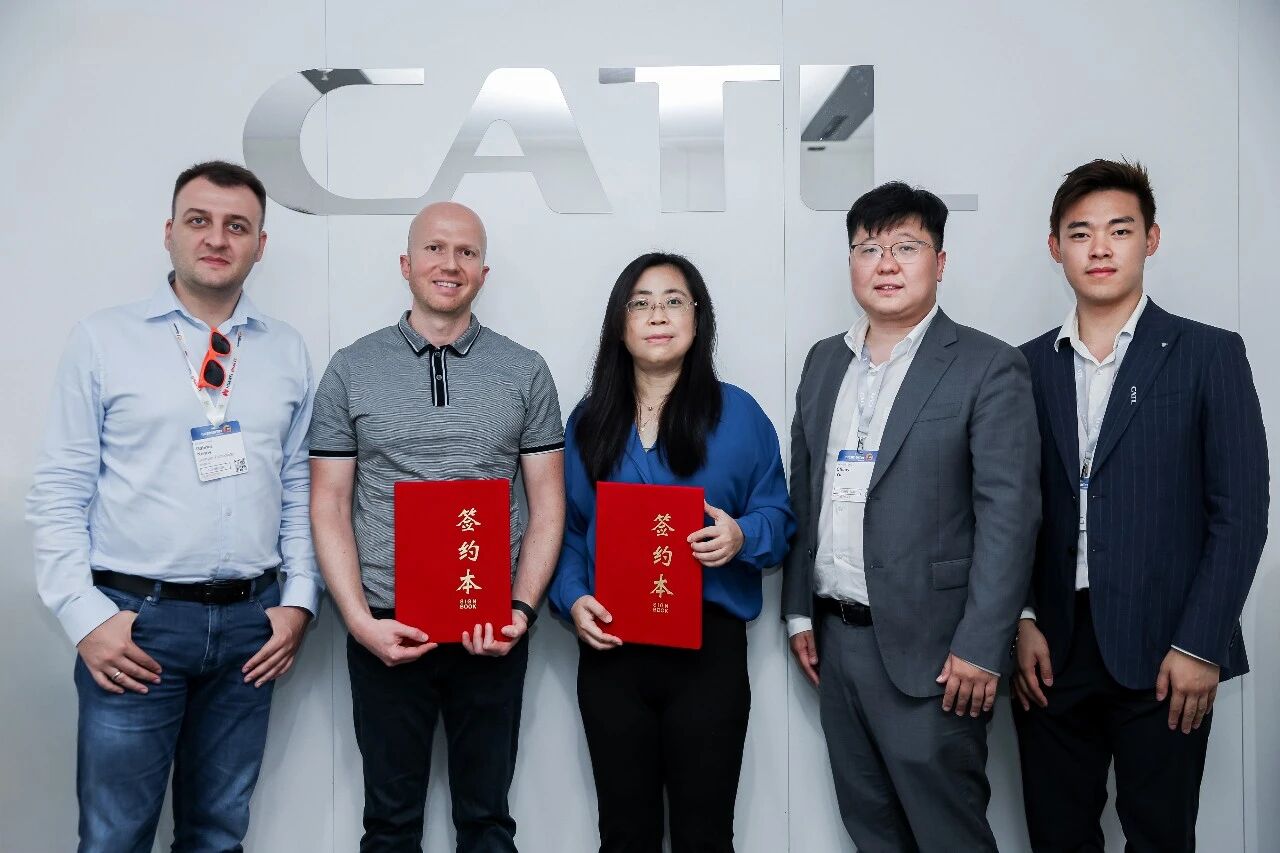
On July 21, CATL and Bulgarian renewable energy company Solarpro officially signed an agreement covering 2GWh of sodium-ion battery storage systems. This represents a significant expansion of their existing partnership and marks sodium-ion storage technology's formal entry into the Central and Eastern European market.
The companies plan to begin deployment by year-end, which will become the first large-scale sodium-ion energy storage project in Central and Eastern Europe. The project will use CATL's TENER Sodium system, providing an early test of the technology's commercial viability under European grid and climate conditions.
TENER Sodium Technical Specifications
According to CATL's published technical specifications, the TENER Sodium system's core highlights include:
- Ultra-long cycle life: Supports up to 15,000 charge-discharge cycles
- Extended service life: Designed operating life of approximately 25 to 30 years
- Excellent low-temperature performance: Retains 92% of capacity at minus 20 degrees Celsius
- Raw material cost advantages: Sodium reserves far exceed lithium, contributing to cost stability and supply chain diversification
Sodium-Ion vs Lithium-Ion Storage Comparison
| Comparison Dimension | Sodium-Ion (TENER Sodium) | Traditional Lithium-Ion |
|---|---|---|
| Cycle Life | 15,000 cycles | Typically 6,000-10,000 cycles |
| Low-Temp Performance | 92% capacity at -20°C | Significant capacity decline at -20°C |
| Raw Material Reserves | Abundant, widely distributed | Limited, concentrated in South America/Australia |
| Cost Trend | Large cost reduction potential at scale | Higher raw material price volatility |
| Energy Density | Relatively lower | Higher |
| Applicable Scenarios | Energy storage stations, cold regions | Electric vehicles, consumer electronics |
Strategic Significance of Low-Temperature Performance
TENER Sodium's low-temperature performance holds special strategic value in the Central and Eastern European market. In countries like Lithuania and other parts of Eastern Europe, winter temperatures can fall to between minus 15 and minus 20 degrees. The performance degradation of traditional lithium batteries in this temperature range makes sodium-ion technology a more attractive alternative.
Sodium-ion technology uses more widely available raw materials than conventional lithium-ion batteries, offering potential benefits in cost stability and supply-chain diversification as production scales.
Cooperation History and Expansion Path
CATL and Solarpro's cooperation began in 2024:
- 2024: Deployed a 150MWh EnerC+ liquid-cooled battery storage system in Bulgaria
- May 2026: Expanded cooperation with a 602MWh facility using CATL's lithium-based TENER system
- July 2026: Signed 2GWh sodium-ion storage agreement, extending technology from lithium to sodium-ion
This cooperation path demonstrates CATL's gradual technology upgrade strategy in Central and Eastern Europe — building technical trust and market foundation through progressive deployment from lithium validation to sodium-ion innovation.
Implications for Central Asia and Russia
For Central Asian and Russian markets with severe winter conditions, sodium-ion storage technology's low-temperature advantages offer direct reference value:
- Kazakhstan experiences winter temperatures as low as -30°C, placing extreme demands on storage system cold-weather performance
- Russia's Far East faces similar energy storage challenges in extreme low temperatures
- The commercialization progress of sodium-ion technology will provide new technical options for renewable energy storage in these regions
As CATL continues expanding in global energy storage markets, buyers and dealers in Central Asia and Russia should closely monitor sodium-ion technology's cost decline trends and localized deployment progress. For more energy storage technology updates, visit EX1000.COM.