A CPCA report shows NEV passenger vehicles average just 1.8 years in age, far below 8.2 years for ICE vehicles. Yijing Auto GM Zeng Qinglin analyzes the industrial logic behind the data and proposes a "hardware pre-deployment + OTA iteration" strategy.
Data Divide: Two Vehicle Age Figures Spark Industry Debate
A recent report by the China Association of Automobile Manufacturers (CPCA) and Hejun Consulting, titled "2025 China Automotive Aftermarket Annual Development Report," has triggered widespread discussion. The report reveals that the average age of domestic ICE passenger vehicles has reached 8.2 years, with nearly 60% of vehicles over 7 years old. In contrast, the average age of NEV passenger vehicles is only 1.8 years, and vehicles aged 1 to 3 years account for a staggering 90% of the NEV fleet.
This nearly five-fold gap quickly became a trending topic on social media, sparking heated debate among car owners and industry observers. Consumers are increasingly concerned: does the rapid pace of technological iteration mean that NEVs depreciate far faster than traditional vehicles?
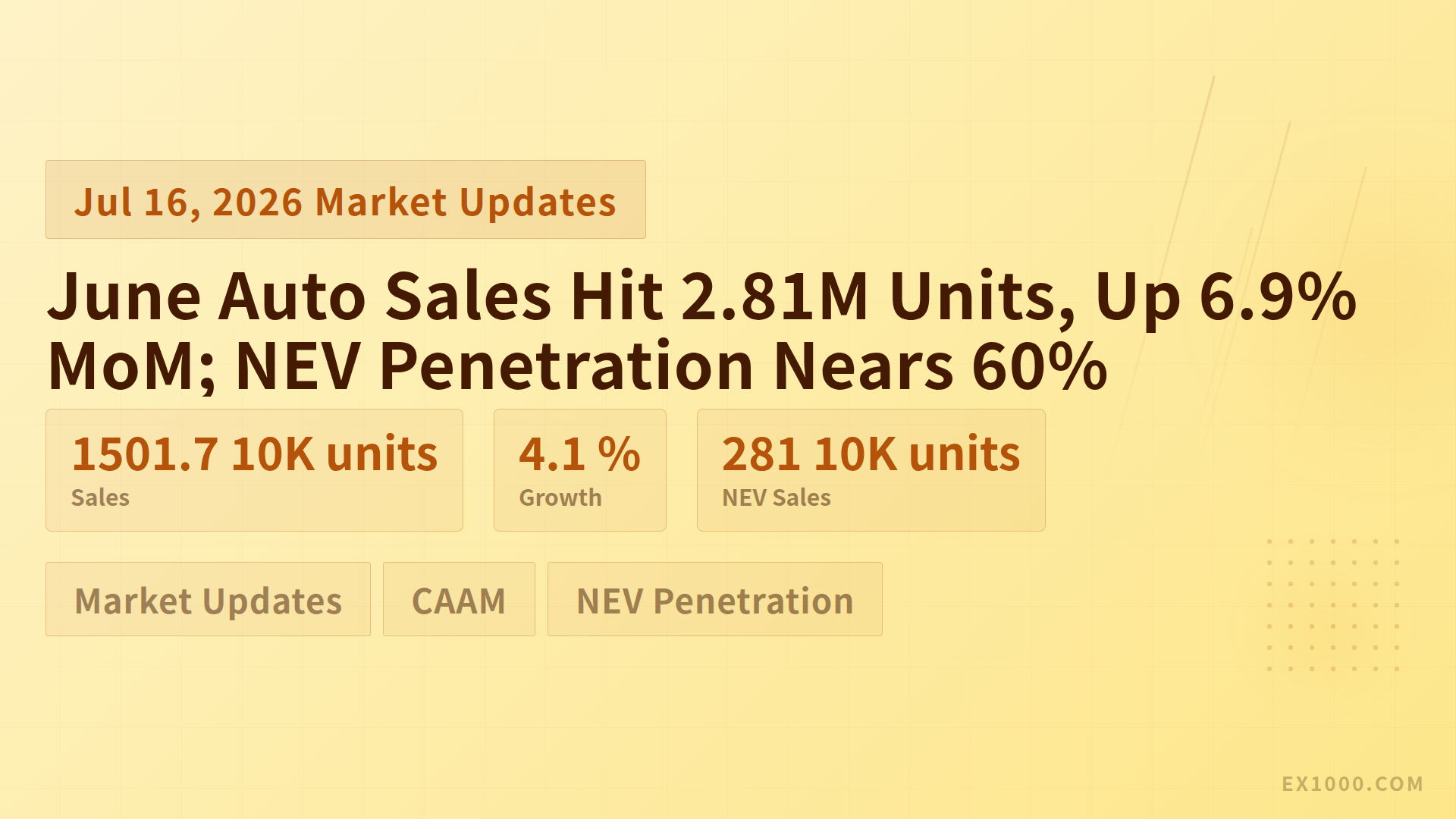
The latest statistics from the Ministry of Public Security provide broader context. As of the end of June 2026, national vehicle ownership reached 476 million units, with NEVs accounting for 13.19% of total automobile ownership. In the first half of 2026, newly registered NEVs totaled 5.195 million units, representing 49.42% of all newly registered vehicles — meaning nearly half of all new registrations were NEVs.
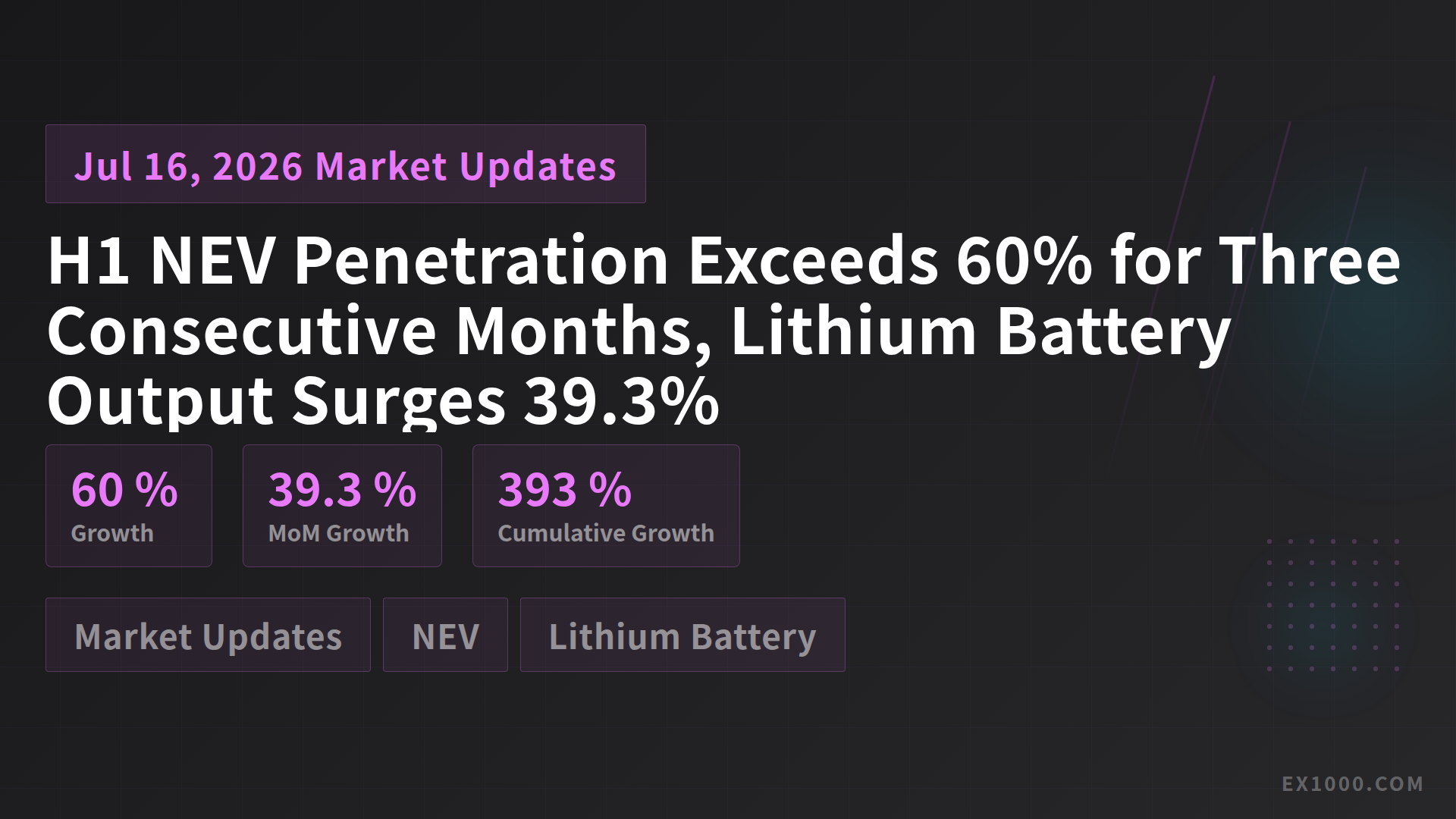
- NEV penetration has surged from 20% to over 60% in recent years
- The majority of NEVs on the road were sold within the last two to three years
- Early NEV adopters tend to be tech-savvy consumers with shorter replacement cycles
Iteration Anxiety: Why NEVs Feel "Outdated the Day You Buy Them"
Zeng Qinglin, General Manager of Yijing Auto, recently addressed this phenomenon in a social media post, acknowledging that consumers' sense of "buying only to find it outdated" is entirely understandable. With batteries, chips, and intelligent systems at their core, NEVs undergo technology refresh cycles compressed to just 18 to 24 months. Automakers launch dozens of new models annually, and mid-cycle updates have become routine.
By comparison, ICE vehicles rely primarily on mechanical components such as engines and transmissions, with technology cycles spanning five to eight years. Much like the early smartphone industry, emerging industries typically experience rapid initial iteration:
- Early-stage technology evolves quickly with rapidly shifting product forms
- As the industry matures, the pace of upgrades gradually slows and stabilizes
- Battery reliability and cockpit hardware performance have already improved significantly
Industry survey data further underscores this disparity. Research shows that 90% of NEV owners replace their vehicles within five years, with the mainstream replacement cycle concentrated at 3 to 5 years — far shorter than the 6 to 8 years typical for ICE vehicles. Plummeting resale values and chip computing power that cannot keep pace with the latest systems are key drivers of early replacement.
| Dimension | ICE Vehicles | NEVs | Root Cause |
|---|---|---|---|
| Average Vehicle Age | 8.2 years | 1.8 years | Market growth structure differences |
| Mainstream Replacement Cycle | 6-8 years | 3-5 years | Technology iteration speed gap |
| Core Iteration Components | Engine/Transmission | Battery/Chips/ADAS | Electronics vs. mechanical nature |
| Technology Refresh Cycle | 5-8 years | 18-24 months | Hardware/software development pace |
| Replacement Within 5 Years | ~30% | ~90% | Product experience iteration driving demand |
The Solution: Forward-Looking Hardware and OTA Upgrades
Faced with consumer "obsolescence anxiety," Zeng Qinglin proposed a clear strategy. He believes that maintaining appropriate forward-thinking when purchasing is key. He cites 896-line LiDAR as an example: although designed for L3 autonomous driving and currently underutilized, its high redundancy enables adaptation to more complex future scenarios, offering far greater long-term adaptability than lower-spec alternatives.
Zeng also notes that some core NEV technologies are beginning to mature. Battery technology is becoming increasingly reliable, and intelligent cockpit hardware has reached a level of smooth performance. This trend suggests that as the industry matures, the pace of technological upgrades will gradually slow.
Combined with automakers' high-frequency OTA remote upgrade services, vehicles with forward-looking configurations can continuously receive functional updates, effectively extending both product value and psychological satisfaction. This combination of "moderately advanced hardware + continuous software evolution" is precisely the optimal solution for easing "obsolescence anxiety."
Market Outlook: From Growth Expansion to Stock Competition
In the long run, as early NEVs enter their replacement cycles, the market will gradually transition from growth competition to stock-based competition. Automakers can no longer rely solely on rapid hardware iteration to attract consumers; only by deepening user operations and enhancing long-term product value can they mitigate the industry-wide pattern of frequent vehicle replacement.
For buyers and dealers tracking the global NEV market, China's rapid iteration brings both abundant product choices and higher demands for purchase decisions. As technology platforms mature, the vehicle age gap between ICE and NEV models is expected to narrow over time.